REVIEW · AUCKLAND
Auckland: Inner-City Glowworm Experience in Ancient Volcano
Book on GetYourGuide →Operated by Social Nature Movement · Bookable on GetYourGuide
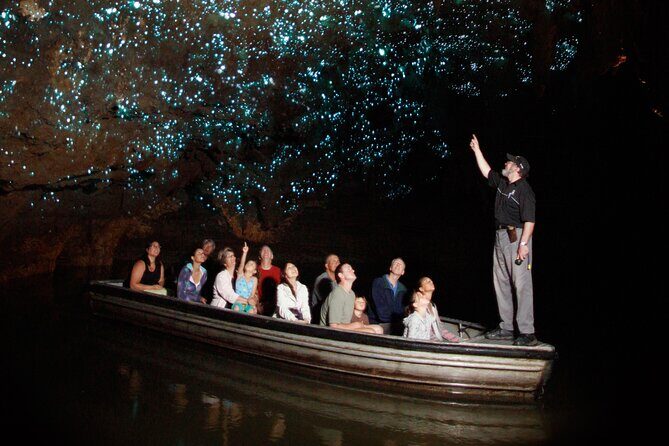
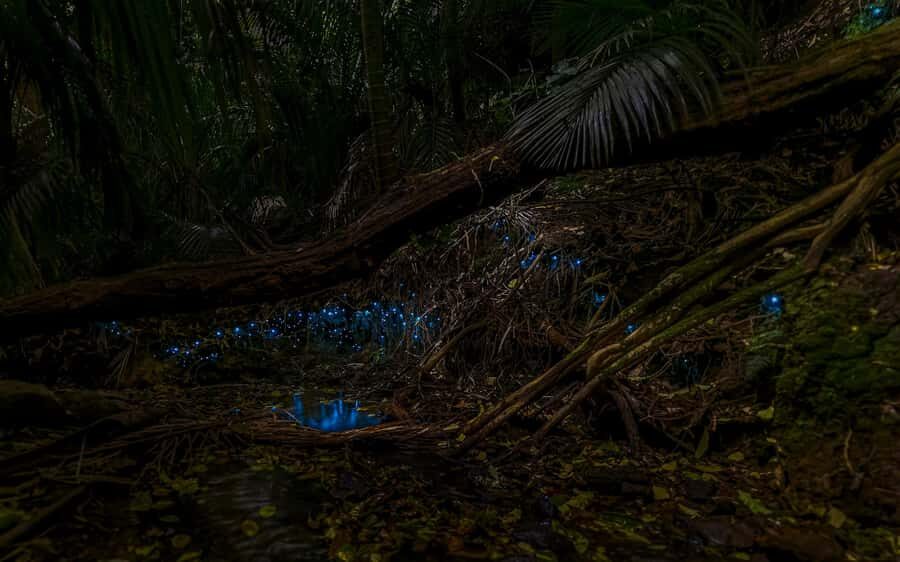
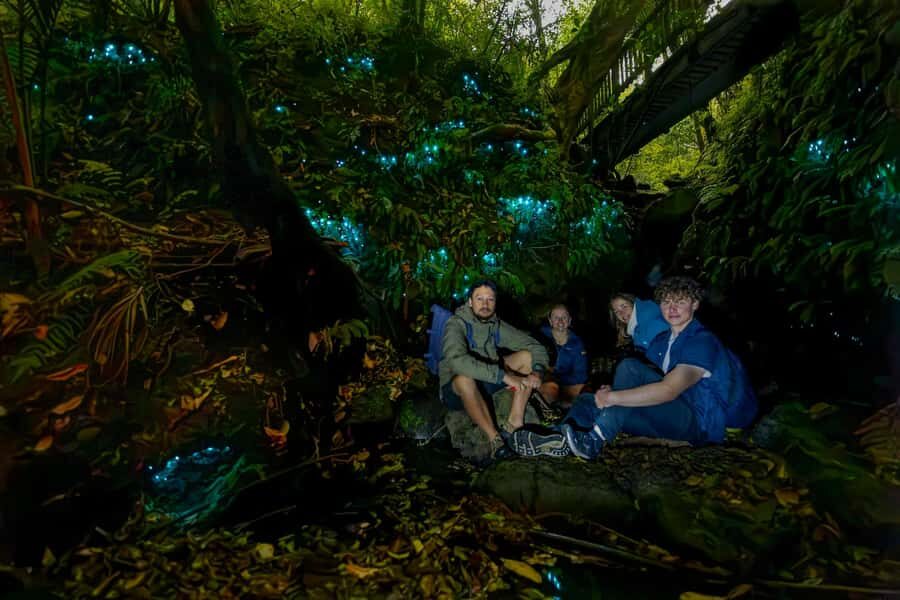
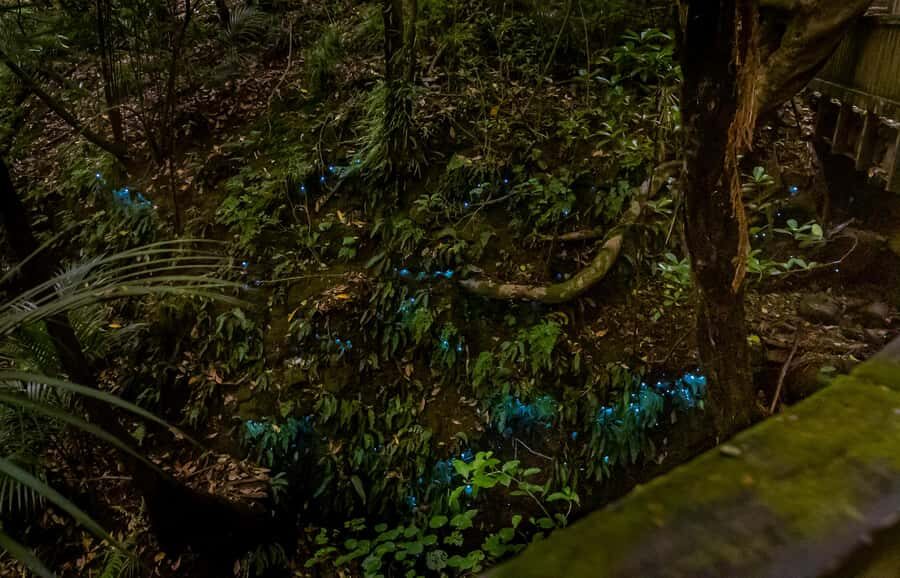
City glowworms feel unreal. In Auckland Domain, this intimate night walk takes you onto ancient volcanic ground in the Pukekawa volcano—where glowworms light up an open park setting, not a cave maze. I love that the viewing is barrier-free, so you can actually see what’s happening without squeeze points or hard-to-move crowds.
I also like the guide-led rhythm of the tour: you get time to look closely, and you get answers on glowworm behavior and life cycle in plain language (a few guides I’ve seen praised include Marius, Caleb, and Jonti). The experience is also photo-friendly with unrestricted time to shoot, as long as you follow the no-flash rule.
The main thing to watch is the walk itself. Expect about 30 steps plus uneven, dark ground, and it is not a fit for people who have back issues, mobility limits, heart problems, or low fitness.
In This Review
- Key points worth knowing before you go
- Auckland Domain’s volcanic glowworm show: what you’re really signing up for
- Where the tour starts: Wintergarden Cafe and the first night steps
- The 1-hour itinerary in plain terms: stops, surprises, and why the flow works
- Pukekawa volcano at night: the part that makes it feel special
- Glowworms without barriers: what barrier-free viewing changes for you
- Photos and the no-flash rule: how to get images in the dark
- The guides: what the commentary adds (and why it changes the experience)
- Price and value: is $35 for an hour worth it?
- How tough is the walk? A practical reality check for your body
- Who should book this glowworm tour, and who should skip it
- Should you book it? My decision guide
- FAQ
- How long is the Auckland inner-city glowworm experience?
- How much does it cost?
- Where do I meet the tour guide?
- Is transportation included?
- Can I take photos of the glowworms?
- Is flash photography allowed?
- What kind of walking is involved?
- Is this tour suitable for wheelchair users or people with mobility impairments?
- What should I bring for the tour?
Key points worth knowing before you go
- Ancient volcanic terrain in central Auckland at Pukekawa, Auckland’s oldest park
- Barrier-free glowworm viewing in an open natural setting (not cave-only)
- Unrestricted photography time, with no flash allowed
- A focused 1-hour guided experience with ecology talk built in
- Steep-ish, dark, uneven paths with gravel and tree roots to navigate
- Small-group or private options for a calmer feel
Auckland Domain’s volcanic glowworm show: what you’re really signing up for
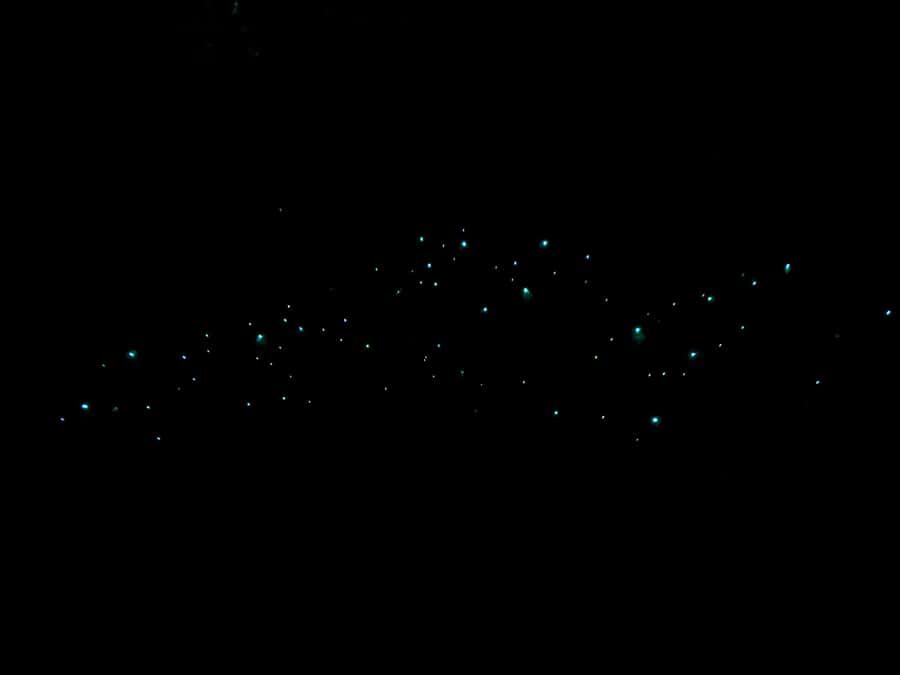
This tour is simple on paper: you’ll spend about an hour walking and stopping in Auckland Domain at night, with a guide who helps you spot New Zealand glowworms and understand what you’re seeing. The big hook is location. This is glowworm country, right in the city, on ancient volcanic terrain.
That matters, because most glowworm trips in New Zealand pull you far away for the caves. Here, you trade the long travel for a shorter, more convenient outing—and you get the glowworms in an open environment. The result is a different mood. It’s quieter, more park-like, and it feels less like a theme-park route and more like a guided night stroll with wildlife.
You’re also on ground with serious age behind it. Pukekawa is part of a 100,000-year-old volcanic park landscape, so even before the glowworms appear, the setting gives you that sense of being somewhere ancient.
One more thing I appreciate: the tour is designed to be intimate. Several guide names show up in feedback (Marius, Caleb, and Jonti among them), and the common theme is that you’re not just passively watching. The guide’s commentary is part of the value.
You can also read our reviews of more city tours in Auckland


Where the tour starts: Wintergarden Cafe and the first night steps
You meet outside the Wintergarden Cafe in Auckland Domain. It’s a practical meeting point if you’re staying central, and it puts you close to the park area before things get dark.
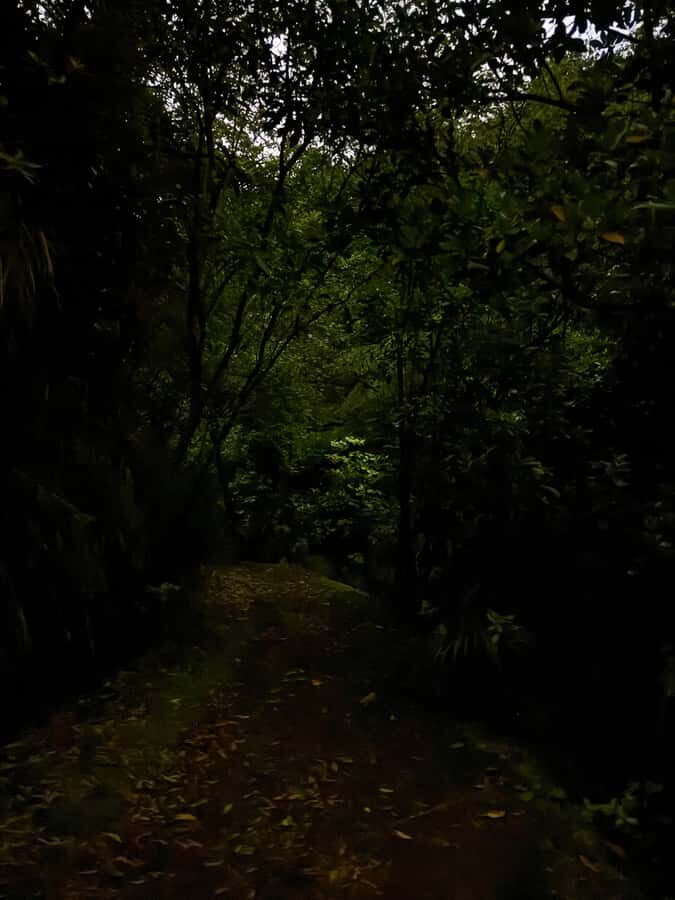
From there, the experience is built around a short distance—about 1.3 km total walking—so you’re not signing up for an all-night hike. But the terrain is not flat and polished. You’ll handle a path with around 30 steps, a small grade (about 5%), and uneven surfaces like gravel and tree roots. The route is also dark. It’s not lit with standard park lighting, though the guides use their own lights.
For me, this is a key “know before you go” point. If you’ve spent time on groomed trails only, this will feel a bit more real. Bring shoes you can trust on uneven ground, and plan for slow, careful steps.
The 1-hour itinerary in plain terms: stops, surprises, and why the flow works
The tour stays tight and efficient: you walk in with the guide, explore, and return to the same meeting spot after roughly an hour. Even with that short timing, you’re not rushed through the glowworms. The guide leads you through the park so you can actually see them and learn what you’re looking at.
What you can expect in the experience includes:
- Guided exploration of ancient volcanic terrain
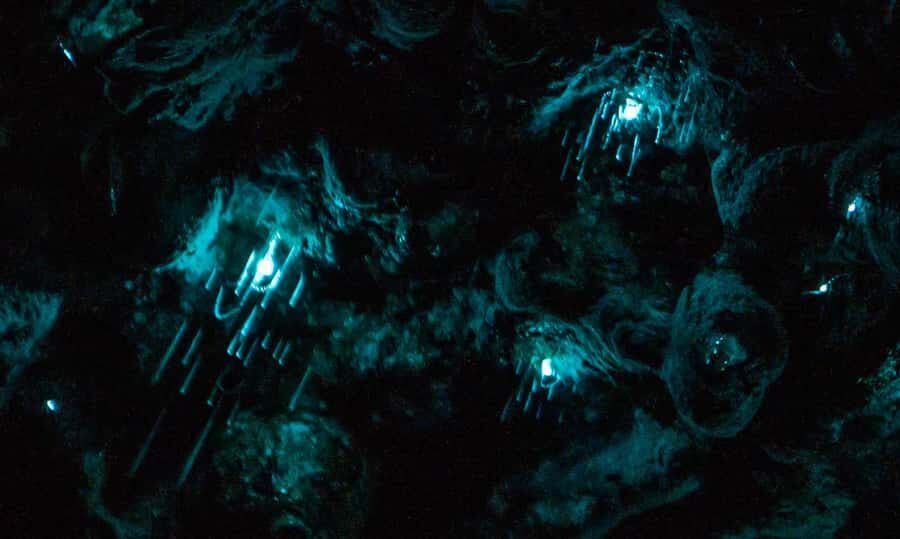
- Close-up glowworm viewing in their natural habitat
- Stops near hidden waterfalls
- Time in native bush areas, including Nikau palm forest
- Commentary about glowworm life cycle and behavior
- Time to take photos without barriers
The stops matter because glowworms don’t work like a static display. Their glow is tied to their environment—where they choose to cling and how they respond to light and conditions. Having a guide helps you notice things faster: where to look, what signals to pay attention to, and how the life cycle fits together.
Also, the tour includes a small “adventure” feeling without turning into a long trek. Feedback mentions optional climbing to get a better view in at least one case, and it’s the kind of moment where you’ll appreciate having a guide who balances safety with curiosity.
Pukekawa volcano at night: the part that makes it feel special
Seeing glowworms is the headline, but the volcanic setting is the supporting star. Pukekawa’s old volcanic ground creates a sense of place. The terrain is different than a typical forest walk, and it gives the glowworms a sharper contrast—dark ground texture plus points of light.
You’ll also encounter a mix of features the tour highlights: waterfalls and native bush, including Nikau palms. That combination makes the night feel like more than wildlife spotting. It turns into a guided look at how native ecosystems and geology connect—right where Auckland city life sits just beyond the park boundary.
This is also why the experience can feel magical without being physically intense. The park stays open and natural rather than funneling everyone into cave tightness. The mood leans peaceful, especially when the group is small and you’re not constantly moving people along.
Glowworms without barriers: what barrier-free viewing changes for you
The tour’s glowworm viewing is designed to be barrier-free. That’s a big deal. It affects your angle, your photo options, and how “personal” the experience feels.
When there are barriers, you tend to see glowworms as dots behind obstacles. Here, the viewing is meant to let you get closer in the natural habitat. In practice, that means:
- You can choose your viewing spot without a fence forcing your perspective
- You can take photos with fewer visual blockers
- You spend more time observing, not queuing
One caution: without barriers, the experience also relies on you being mindful about footing and where you step. Guides using lights means you’ll see, but the ground is still uneven. Keep your attention on the path as well as the glow.
Also, the tour is in open habitat rather than dedicated cave systems. That can affect glowworm density. Some feedback suggests you may see fewer glowworms than you would in famous cave-heavy places, but the tradeoff is a more comfortable, city-adjacent experience with good access.



Photos and the no-flash rule: how to get images in the dark
The tour explicitly allows unrestricted photography time, but flash photography is not allowed. That’s practical. Flash can startle wildlife and it can ruin what you’re photographing by washing out the glow.
So plan around natural darkness and guide lighting. Bring a camera, and if you’re using a phone, treat the experience like night photography: steady your shot as much as possible and don’t rely on screen brightness to “see” the glowworms. You want the camera to capture the light as it is, not as it looks under your own illumination.
If you’re a photographer, I think the barrier-free part is the difference-maker. You’ll usually get better angles when you’re not behind rails. And because the path isn’t lit like a street, the glowworms stand out more than they would in a brightly illuminated area.
The guides: what the commentary adds (and why it changes the experience)
This tour isn’t just about pointing and watching. It’s structured around the guide explaining glowworm life cycle and behavior as you move through the park.
From feedback, the guides are praised for two things: safety awareness and matching the explanation to what you can actually see. Names that show up include Marius, Caleb, Jonti, Gonti, Legend, and Bree (spelled as Brie or Bree in feedback). Guides also seem willing to answer questions on the spot.
You might even get fun extras layered into the walk. One review mentions constellations being pointed out, which I like as an idea: it gives you something to look at besides just the ground glow.
The value here is timing. A short one-hour tour can turn into wasted effort if the guide doesn’t help you find what matters. With this setup, you’re not left alone in the dark guessing what’s glowworm and what’s just plant light.
Price and value: is $35 for an hour worth it?
At $35 per person for about one hour, this is positioned as an easy, lower-effort way to see glowworms while staying in Auckland.
Here’s where the value math works for you:
- You avoid the time and cost of traveling out to the famous glowworm cave regions
- You get guided viewing plus education, not just self-guided wandering
- You have time for photos without a barrier setup
Could you find cheaper activities in Auckland? Sure. But glowworm nights are one of those experiences where convenience costs extra—and this price is more about access and expertise than about an all-day itinerary.
It’s also one of the better options if your schedule is tight. Limited time is where this tour’s one-hour format really shines.
How tough is the walk? A practical reality check for your body
This is a short tour, but not a flat one.
You should expect:
- About 30 steps up and down
- Rough, undulating terrain with gravel and tree roots
- Dark paths (not lit with park lights), using guide lights
- About 1.3 km of walking
So I’d call it “easy hiking” only if you’re comfortable with uneven ground at night. If your feet don’t like slippery surfaces, or if you have any back or mobility limitations, you’ll probably feel it more than you want.
Footwear is a big deal here. Wear comfortable walking shoes, ideally ones you don’t mind getting wet or muddy. Bring water. Bring layers if the night air is cool.
Who should book this glowworm tour, and who should skip it
I’d steer couples, solo travelers, and families toward this if you want a quick, city-friendly glowworm night without a big day trip. It also fits photography-minded visitors because the viewing is barrier-free and the tour explicitly allows photography time (no flash).
This is not a fit if you:
- Have mobility impairments or use a wheelchair
- Have back problems or low fitness
- Have heart problems or other pre-existing medical conditions
- Have claustrophobia or vision limitations
Also, if you hate dark, uneven walking at night, you might find the experience stressful rather than magical—even if the distance is short.
Should you book it? My decision guide
If you’re in Auckland with limited time and you want glowworms without spending your whole day on transport, I think this is a strong pick. The hour-long format is practical, the viewing approach is barrier-free, and the guide-led life cycle talk gives your photos and memories a context.
But if you’re sensitive to uneven ground in the dark, or you want a fully paved, easy stroll, you might be better choosing a different glowworm setting. This one is designed as a real nature walk, just closer to the city.
FAQ
How long is the Auckland inner-city glowworm experience?
It runs for 1 hour.
How much does it cost?
It’s listed at $35 per person.
Where do I meet the tour guide?
Meet outside the Wintergarden Cafe in Auckland Domain.
Is transportation included?
No, transportation is not included.
Can I take photos of the glowworms?
Yes. Photography is allowed and you’ll have time to take photos.
Is flash photography allowed?
No, flash photography is not allowed.
What kind of walking is involved?
Expect about 30 steps, an uneven path with a small gradient (around 5%), and a dark route (not lit with regular lights). Total distance is about 1.3 km.
Is this tour suitable for wheelchair users or people with mobility impairments?
No. It is not suitable for wheelchair users or people with mobility impairments.
What should I bring for the tour?
Bring comfortable shoes, a camera, water, and comfortable clothes. You may want shoes that can handle wet or muddy conditions.