REVIEW · AUCKLAND
Auckland: Tiritiri Matangi Island Ferry
Book on GetYourGuide →Operated by Explore Group New Zealand · Bookable on GetYourGuide
A day trip to Tiritiri Matangi is like switching off the city. You cruise the Hauraki Gulf, step onto an island run as a pest-free sanctuary, and walk among native species that are hard to see anywhere else near Auckland. I love that you get a real slice of New Zealand’s conservation work in one outing, and I also love the chance to find the oldest working lighthouse on the coast. One thing to plan for: the island is walk-first, and it’s not suitable for wheelchair users, so you’ll want solid shoes and a realistic pace.
If you’re the type who enjoys bird calls, quiet tracks, and stopping often to look up, this fits you well. The ferry ride is part of the pleasure, and once you’re ashore you can shape the day—long walk loops, short beach time, or a slower wander around the paths and viewpoints. The main trade-off is simple: there are no food outlets on the island, so bring lunch, snacks, and the right swim gear if you want beach time.
In This Review
- Key things to know before you go
- Hauraki Gulf to Tiritiri Matangi: why this day trip feels special
- Price and what you really get for around $65
- Timing: the schedule that works from Auckland and Gulf Harbour
- The ferry ride: comfort, timing, and a few useful tips
- Your island time: tracks, birds, and how to plan a satisfying walk
- A note on track navigation
- The oldest working lighthouse in New Zealand
- Beaches and the best packing list for snorkel time
- Conservation rules that shape the vibe (and why you should respect them)
- Guides make the difference: names I’d look for and why they matter
- Who should book this (and who might reconsider)
- Should you book the Auckland to Tiritiri Matangi ferry day trip?
- FAQ
- How long is the ferry ride from Auckland and from Gulf Harbour?
- What times does the trip run?
- Can I swim or snorkel on Tiritiri Matangi?
- Is food available on the island?
- Is this day trip suitable for wheelchair users?
- What items should I bring?
Key things to know before you go
- Pest-free sanctuary setting means you’re seeing conservation in action, not just wildlife sightseeing
- Oldest working lighthouse in New Zealand gives you a “how is this still operating?” moment
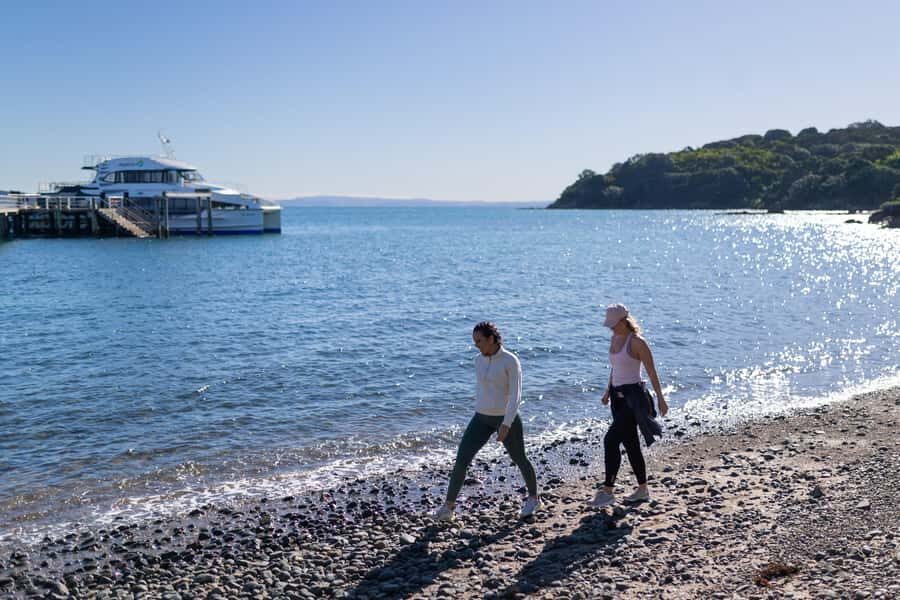
- About 80 minutes cruising each way makes the trip feel like more than a quick shuttle
- Walking tracks + quiet beaches let you choose between bird-focused time and water time
- Guides like Vishnu, Malcolm Pullan, Tina, and Anne help turn sightings into stories
- Bring lunch and swim gear because the island doesn’t sell on-site food
Hauraki Gulf to Tiritiri Matangi: why this day trip feels special
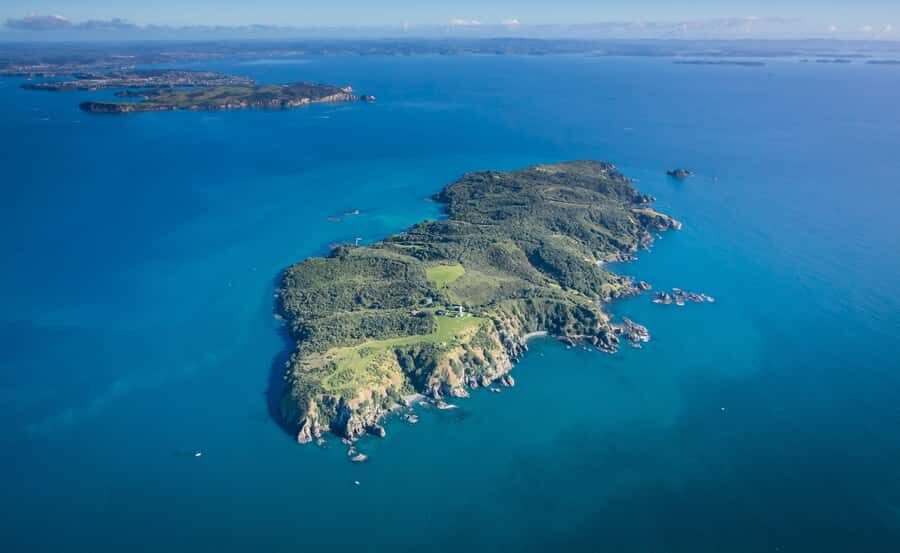
Tiritiri Matangi is one of those places where the world feels bigger, but the effort to get there is surprisingly manageable. You’re starting from Auckland’s orbit—either central Auckland via the Viaduct area or from Gulf Harbour—and in a little over an hour you’re out on the water looking toward an island managed for native birds and other wildlife.
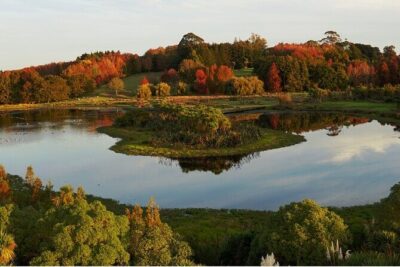
The big draw is the feeling of a safe haven. This island is pest-free, which is why native species can survive and increase. When you’re walking and listening, you’re not just looking for animals—you’re watching the results of restoration: regenerating native forest, established trails, and the steady work that makes bird song possible.
You can also read our reviews of more tours and experiences in Auckland.

Price and what you really get for around $65
At about $65 per person, this isn’t the cheapest thing on the Auckland list. But for that price you’re getting three things many cheaper options don’t bundle well:
First, you get two proper ferry transfers (about 80 minutes from Auckland, or about 25 minutes from Gulf Harbour). That’s a meaningful chunk of time on the water, not just a quick hop.
Second, you’re paying for access to island walking tracks in a wildlife sanctuary setting. The experience isn’t only about seeing a lighthouse or a viewpoint; it’s about being in a protected environment where rare species have a better chance.
Third, the trip includes a live English guide. Even when you’re doing mostly walking on your own, a guide can point out what matters—what to listen for, where to look, and how to spot species in a way that feels more rewarding than wandering randomly.
One more practical value note: there’s no requirement for a car rental, and the ferry is the point of the day. If you like doing things that are simple logistically, this is a strong option.
Timing: the schedule that works from Auckland and Gulf Harbour
This is a day trip, but it’s not one single fixed timetable. Depending on the day of week, your pacing changes.
- Wednesday to Friday
- Depart Auckland: 9:00am
- Via Gulf Harbour: 9:55am
- Arrive Tiritiri Matangi Island: 10:20am
- Depart island: 2:40pm
- Via Gulf Harbour: 3:05pm
- Arrive Auckland: 4:00pm
- Saturday, Sunday & public holidays
- Depart Auckland: 8:30am
- Via Gulf Harbour: 9:25am
- Arrive Tiritiri Matangi Island: 9:50am
- Depart island: 4:00pm
- Via Gulf Harbour: 4:25pm
- Arrive Auckland: 5:20pm
From Gulf Harbour, the cruise is shorter—about 25 minutes—which can be helpful if you want the most time ashore. Either way, you’re looking at a total duration of roughly 5 to 9 hours depending on the starting point and timing.
The ferry ride: comfort, timing, and a few useful tips
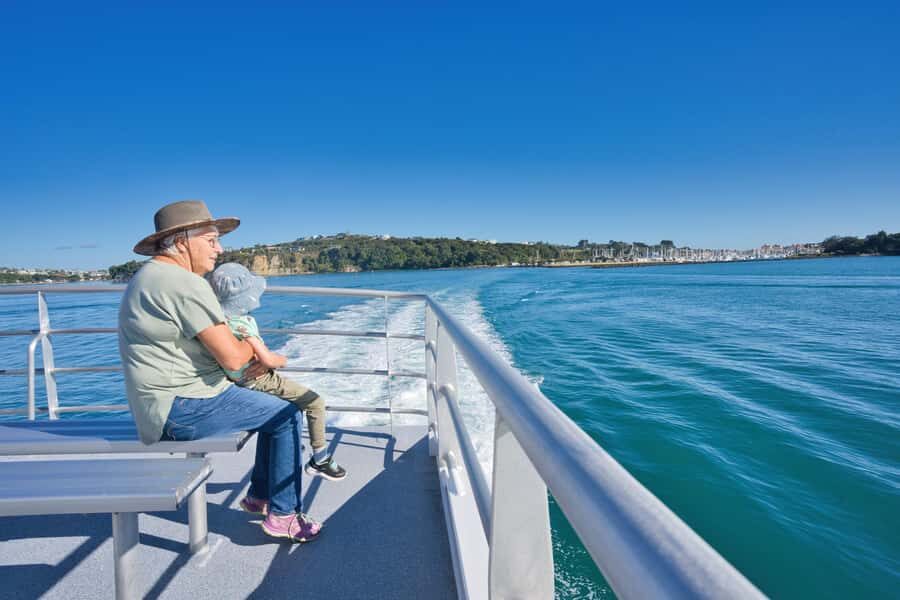
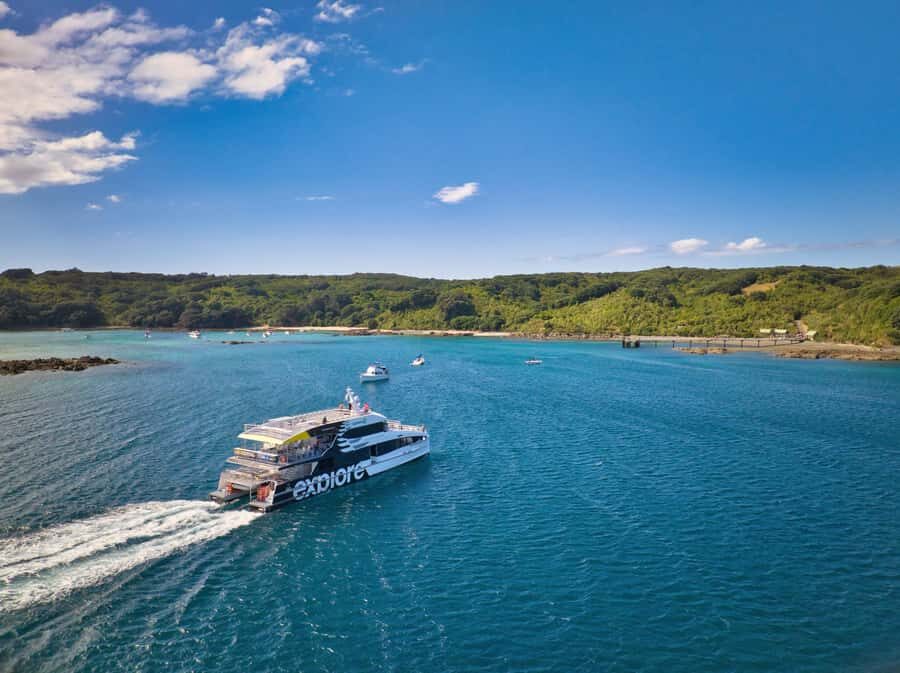
The ferry cruise is about 80 minutes from Auckland and around 25 minutes from Gulf Harbour. In other words, the boat ride is long enough to settle in, not just a boat-to-boat connection.
What I like about this part of the day is that it sets the tone. You’re heading through the Hauraki Gulf, and you can treat the ride as a warm-up—camera ready, looking for bird activity, and getting your sea-legs if you’re sensitive to motion.
Some ferries also have practical onboard touches that make the wait easier: seating, toilets, and a place to grab drinks and snacks during the crossing (even though you still need to plan your main lunch for the island). If weather gets a bit choppy, this is the part of your day where it matters most that you’re dressed for comfort.
Two simple moves that help: arrive early and plan for wind. One review noted a windy but smooth ride, so bring layers that work even when the air cools off.
Your island time: tracks, birds, and how to plan a satisfying walk
Once you arrive, the day opens up fast. You get free time to explore walking tracks, with a mix of native bush and paths that can lead to dramatic cliff-top viewpoints and quieter beach stretches. The key is that the island rewards patience. You won’t get everything by rushing.
I like that you can aim your time in two directions:
- Bird-focused walking (slow down, stop often, listen)
- Track-and-view wandering (a steadier pace, with breaks for scenery)
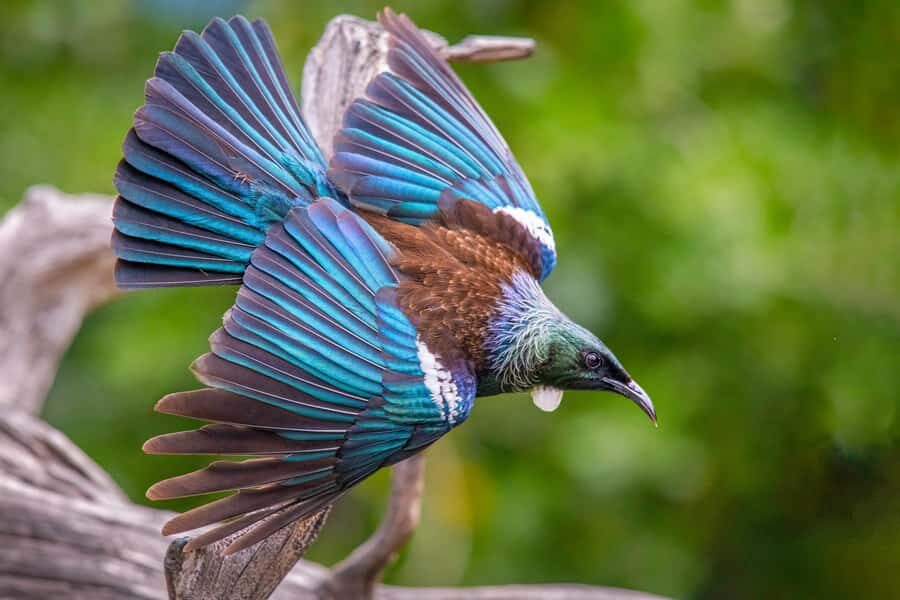
This sanctuary has several native and endangered species that many people hope to glimpse, including kōkako, tīeke/saddleback, and tuatara. There’s also the chance of takahē, but sightings aren’t guaranteed. One thing I’d encourage: treat the day as a wildlife search, not a checklist.
A big tip from guides is where the action tends to be. Some guides describe bird activity near feeders and bird-bath areas, and that’s a smart strategy when you want the highest odds without hiking the whole island in one go.
You’ll also notice how well the tracks support different energies. The island is walkable, but it’s not effortless. If you have an injured ankle or lower mobility, you may find the walking tiring, so plan shorter loops and don’t force distance just because you have time.





A note on track navigation
The track network is generally enjoyable, but junctions can be confusing if you’re tired or rushing. One person mentioned the Hobbs Beach and Hobbs Track area as a spot where navigation can go wrong, leading to a steep climb back to a main road. My advice: take your time at turns, check your bearings before you commit to a slope, and don’t be afraid to retrace steps if the path doesn’t look right.
The oldest working lighthouse in New Zealand
This isn’t just a photo stop. The lighthouse is a featured highlight of the island, and it gives the day a different kind of interest beyond birds.
Seeing a lighthouse that’s still working—and realizing it’s the oldest working lighthouse in New Zealand—adds context to why people have relied on this coastline for so long. On Tiritiri, you’re surrounded by a modern conservation project, yet you’re also standing in a place that has mattered to navigation for generations.
If you’re the type who likes variety, pair the lighthouse visit with an easy track section afterward. It helps you avoid the common pattern of only rushing to the next big landmark.
Beaches and the best packing list for snorkel time
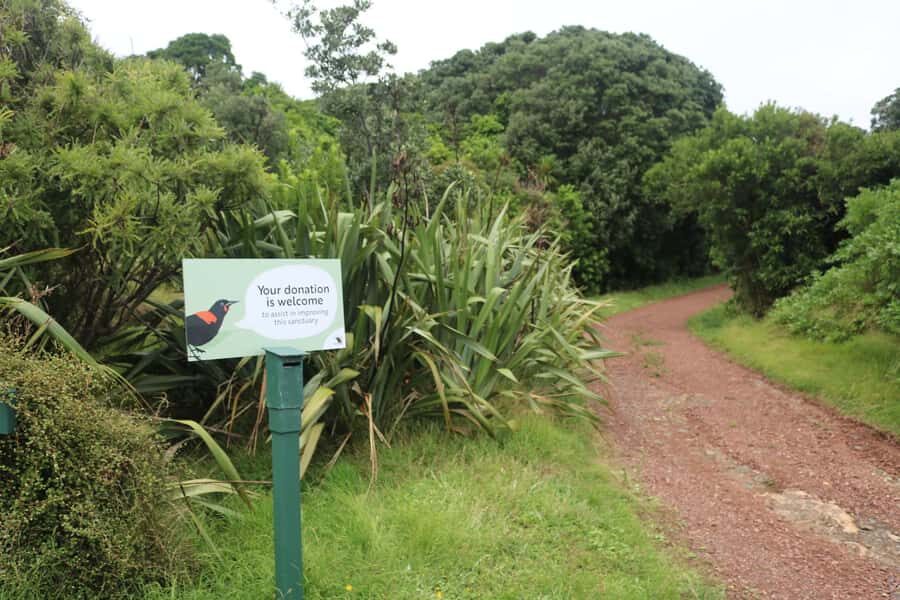
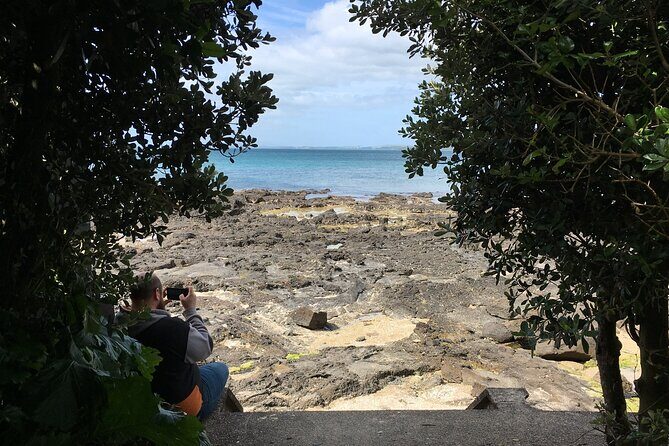
Tiritiri Matangi has quiet sandy beaches, and you can swim or snorkel if conditions allow. This is one of the most practical reasons to bring the full kit rather than just walking shoes.
Bring:
- Swimwear
- A towel
- A hat
- Sunscreen
- Comfortable shoes (for tracks first, beach second)
One review specifically called out that taking your togs works well, especially if you use the beach as a cooldown at the end of your walking. Even if you don’t snorkel, sand-and-shore time can make the day feel less like nonstop activity.
Also plan for weather. Check conditions before you go. Wind can be real around the water, and you’ll want layers that won’t leave you uncomfortable on deck or after a swim.
Conservation rules that shape the vibe (and why you should respect them)
This island is run as a safe haven for native species, so there are rules. You can feel it immediately in the tone of the day: be respectful, move quietly, and don’t interfere.
Key rules include:
- No feeding animals
- No touching plants
- No littering
- No drones
- No bikes
- No smoking
Even if you’ve visited wildlife places before, these rules matter here because the whole point is giving native animals the best odds. Every restriction helps protect the ecosystem and reduce human impact.
This is also why your sightings often feel so close. The island is quiet by design, and people aren’t doing loud, disruptive stuff that scares birds into hiding.
Guides make the difference: names I’d look for and why they matter
A live English guide is part of the experience, and it’s not just for logistics. Guides help you turn what you see into understanding: why a bird matters, where it’s likely to be, and how the restoration work changes what you can experience.
From recent trips, I’ve seen praise for guides such as Vishnu, Malcolm Pullan, Tina, and Anne. The common thread in feedback is that these guides explain birds, plants, animals, and island history in a way that keeps the group together and focused until the end.
If you like asking questions, this is the day to do it. If you don’t, that’s fine too—the guide can still help you notice things you’d miss on your own, especially when bird song is everywhere and you’re trying to figure out what you’re hearing.
Who should book this (and who might reconsider)
I think this day trip is best if you:
- Love native birds and listening for calls
- Prefer walking tracks with calm, low-pressure exploration
- Want a mix of wildlife, lighthouse viewing, and optional beach time
- Are traveling from Auckland and want a conservation-focused outing without a complicated drive
Consider a different plan if you:
- Need wheelchair-friendly access (it’s not suitable for wheelchair users)
- Know you can’t handle walking on tracks with uneven ground
- Want lots of on-island services like cafés and restaurants (there are no food outlets on the island)
Also, if you’re expecting guaranteed sightings of every rare species, set your expectations a notch lower. You can have an amazing day without ticking every box. One of the best parts of Tiritiri is that nature stays unpredictable.
Should you book the Auckland to Tiritiri Matangi ferry day trip?
If you want one Auckland-area day that feels both peaceful and purposeful, I’d say yes. For the price, you’re getting real access: a full ferry experience through the Hauraki Gulf, walking tracks in a pest-free sanctuary, and the unique bonus of the oldest working lighthouse.
Book it if birding and walking are your kind of day, and if you’re willing to pack your own lunch and water time supplies. Skip it if you need step-free access, or if you’d be unhappy without shops and food on the island.
If you’re on the fence, do this simple checklist:
- Do you have comfortable shoes?
- Are you okay with bringing your own lunch?
- Do you want a calm, nature-first day with guided help?
If you answered yes to those, this is one of the more satisfying ways to spend a day near Auckland.
FAQ
How long is the ferry ride from Auckland and from Gulf Harbour?
From Auckland, the cruise is about 80 minutes each way. From Gulf Harbour, it’s about 25 minutes.
What times does the trip run?
There are two main schedules. Wednesday to Friday depart Auckland at 9:00am and return at 4:00pm. Saturday, Sunday, and public holidays depart Auckland at 8:30am and return at 5:20pm.
Can I swim or snorkel on Tiritiri Matangi?
Yes. The island has quiet sandy beaches where you can swim or snorkel. Bring swimwear and a towel.
Is food available on the island?
No. There are no food outlets on the island, so bring your own lunch and snacks. You can also purchase on board the ferry.
Is this day trip suitable for wheelchair users?
No. It’s listed as not suitable for wheelchair users.
What items should I bring?
Bring comfortable shoes, a hat, swimwear, a towel, a camera, snacks, sunscreen, and water. You’ll also want to check weather conditions before you go.