REVIEW · AUCKLAND
Auckland Urban Māori Experience with Transportation
Book on Viator →Operated by Glorious Tours · Bookable on Viator
Auckland’s city Māori story hits different. This 7-hour Urban Māori tour shows how Māori and Pacific communities live, adapt, and thrive right in the middle of Auckland. The biggest thing I liked was the way Ama, your guide (and local community member), makes each stop feel personal, not scripted.
I also really appreciated the hands-on flow: coffee, a volcano viewpoint with a descendant’s context, a traditional Māori lunch, and then the power of the haka. One consideration: there’s a light outdoor walk, so it may not be the best fit if you have limited mobility.
In This Review
- Key highlights at a glance
- Urban Māori in Auckland: what makes this day different
- Price and comfort: private, air-conditioned transport that actually matters
- 8:30 start, coffee first: setting a calmer tone before the culture
- Te Pane o Mataoho: harbour views and a descendant’s story
- Traditional Māori lunch: locally sourced food with real meaning
- Haka in context: powerful, but also guided
- Supporting local artisans: treasures that keep value local
- An ancient Pacific ceremony: connection and well-being to close
- Who this tour is best for (and who should think twice)
- Should you book the Auckland Urban Māori Experience?
- FAQ
- What time does the Auckland Urban Māori Experience start?
- How long is the tour?
- What’s included in the price?
- Is lunch included, and can dietary needs be accommodated?
- Is pickup offered?
- Is this tour private?
- Is the tour suitable for limited mobility?
- FAQ
- What’s the cancellation and refund policy?
- How far in advance is this experience usually booked?
- Where does the tour start for the day?
Key highlights at a glance
- Ama’s storytelling that ties Māori life to modern Auckland, not just rural villages
- Te Pane o Mataoho views from a dormant volcano, with a personal history lesson
- Traditional Māori lunch using locally sourced ingredients (dietary needs handled)
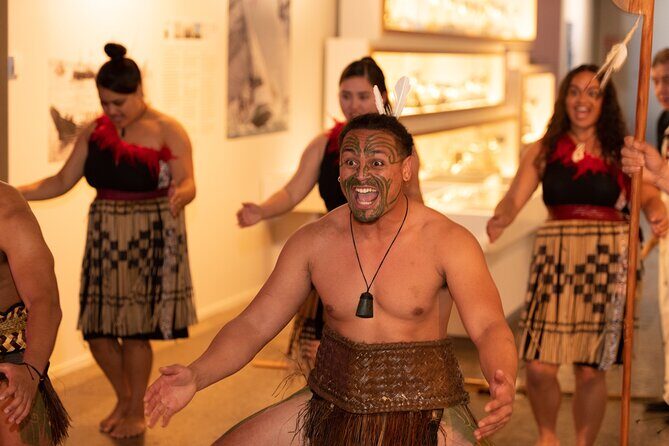
- The haka performance moment, delivered with care and context
- Local artisans and unique treasures that support the community
- A Pacific ceremony focused on connection and well-being to close the day
Urban Māori in Auckland: what makes this day different
This tour is built around one clear idea: Māori culture isn’t only something you visit on the edge of town. It’s present in Auckland’s neighborhoods, streets, and stories. You’re in a modern city for much of the day, but the meaning behind the sights comes from people who live the culture now.
You’ll get that sense early. Instead of starting with a bus ride and a list of landmarks, the day begins with a local coffee stop. It’s a small, human way to get your bearings. From there, the tour moves into Te Pane o Mataoho and beyond, pairing places you can see with the bigger story you might not notice on your own.
What really stood out in the reviews is how Ama explains the links between Māori land and how Auckland developed around it. That’s the kind of context that changes how you look at the city afterward. If you’ve visited more rural areas before, this adds the missing perspective: what urban life looks like, and how culture stays strong inside it.
You can also read our reviews of more tours and experiences in Auckland.

Price and comfort: private, air-conditioned transport that actually matters
At $279.26 per person for about 7 hours, this is not a bargain-basement tour. But for what you’re getting, it’s closer to “fair value” than “splurge without payoff.”
Here’s why. The tour includes private transportation with pickup and drop-off transfers, plus admission fees for everything you visit. That removes a lot of the guessing you’d do on your own: where to park, what tickets you need, and how to fit scattered sites into one workable day.
You also travel in an air-conditioned, spacious, private vehicle with a professional and accredited driver. On a warm Auckland day, that comfort isn’t trivial. It means you start the cultural part of the morning with less fatigue and less hassle—and you can focus on listening.
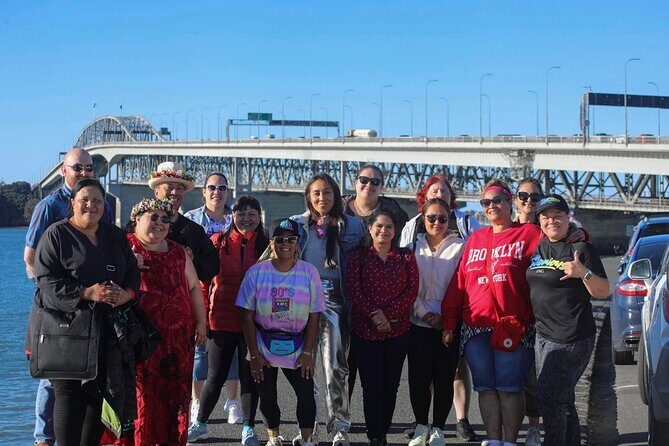
One more practical detail: it’s a private experience, meaning only your group participates. That matters when the content is personal, like it is here. Your guide can slow down when questions come up, and the group doesn’t have to wait for constant regrouping.
If you’re planning to book, keep in mind it’s typically booked about 60 days in advance. That’s a good sign of demand, and it also means you’ll want to lock it in earlier rather than waiting until the last minute.
8:30 start, coffee first: setting a calmer tone before the culture
Starting at 8:30 am, this day is designed so you’re not sprinting from place to place. The coffee stop is optional for extra food or drink, but coffee itself is part of the experience. That little detail is helpful: you’re not forced into a large, expensive breakfast. You can keep it simple and just grab what you want.
Coffee also does something useful. It gives you a quick social rhythm and makes it easier to connect with your guide before you head into the more meaningful parts of the tour. When you’re listening to stories about land, identity, and community, having that warm-up matters.
If you have dietary requirements, the tour includes lunch (more on that next), and you should inform the provider about your needs. For the coffee stop, extra food or drinks aren’t included, so you’ll want to plan around your own preferences there.
Te Pane o Mataoho: harbour views and a descendant’s story
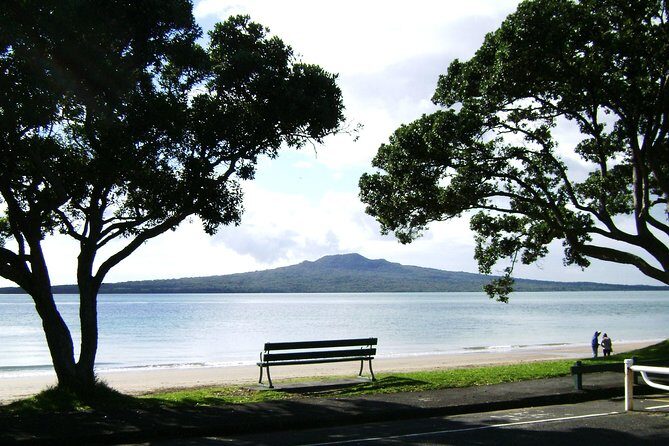
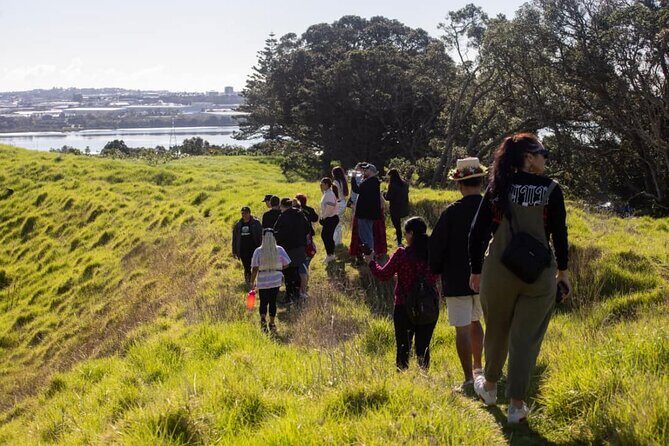
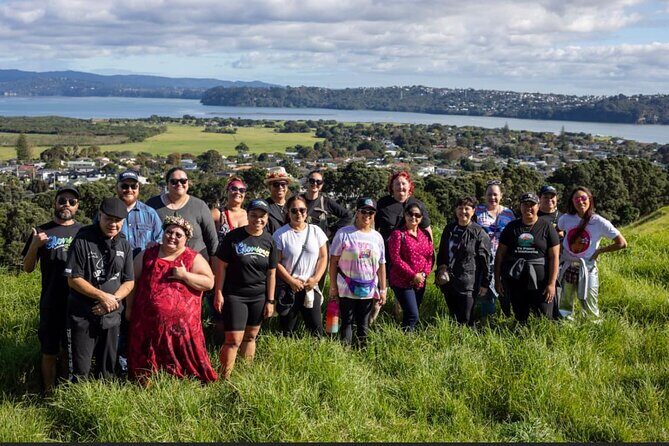
Te Pane o Mataoho is a dormant volcano site with stunning harbour views, and that’s the first thing you’ll notice when you get there. But the tour doesn’t treat the location like a pretty photo stop. It’s tied to personal history.
What you gain here is context you won’t get from generic sightseeing. The day includes a personal history lesson from a local descendant, which turns the viewpoint into something more than a scenic overlook. You’re standing in a place that carries meaning, and your guide helps connect the physical space to the people and time behind it.
A practical note: the tour includes light outdoor walking. It’s not described as intense, but you’ll still want to wear comfortable shoes and keep an eye on footing, especially if the ground is uneven or weather is changeable.
If you’re the type who likes photos, you’ll get them. If you’re the type who likes stories, you’ll get those too. The balance is the point: you don’t just look at Auckland’s geography—you learn how it fits into a living cultural narrative.
Traditional Māori lunch: locally sourced food with real meaning
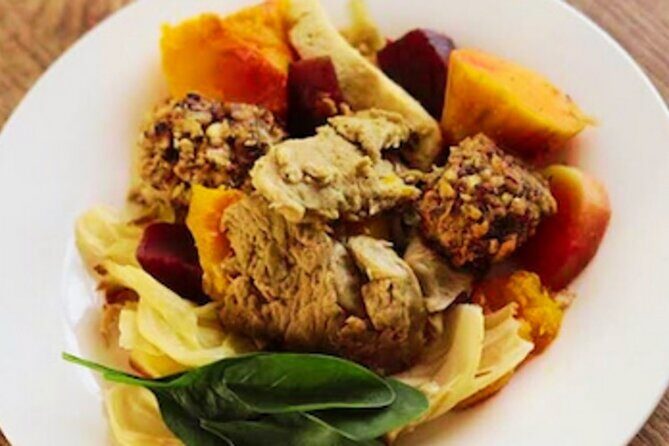
Lunch is included and it’s traditional Māori cuisine made with locally sourced ingredients. That combo is ideal if you want something that feels like culture and not just a generic meal.
This is also where the tour handles the day’s “comfort needs” for you. After time outdoors and inside the cultural moments, having lunch provided means you don’t have to scramble around the city trying to find something that fits the theme. You’re guided back into the story of the day while you eat.
If you have dietary requirements, you should make sure the provider knows. The tour explicitly says lunch is included and to inform them of dietary needs. That’s the difference between “we’ll try” and a real effort to accommodate you.
One thing to remember: the coffee stop’s extra food or drinks are not included. So if you’re the kind of person who eats during coffee breaks, treat that part as on you. Build your budget for that, and you’ll feel less surprised later.





Haka in context: powerful, but also guided
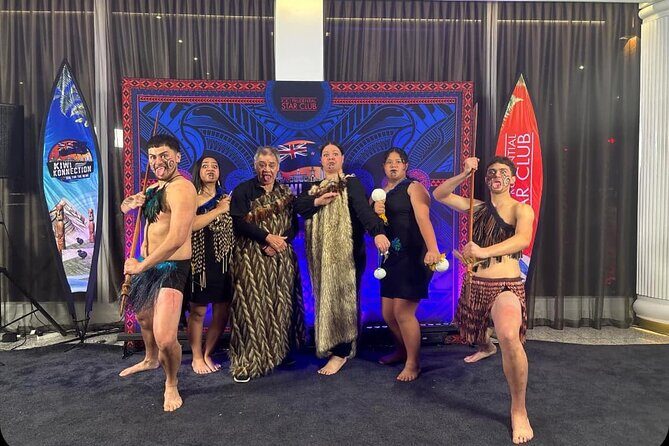
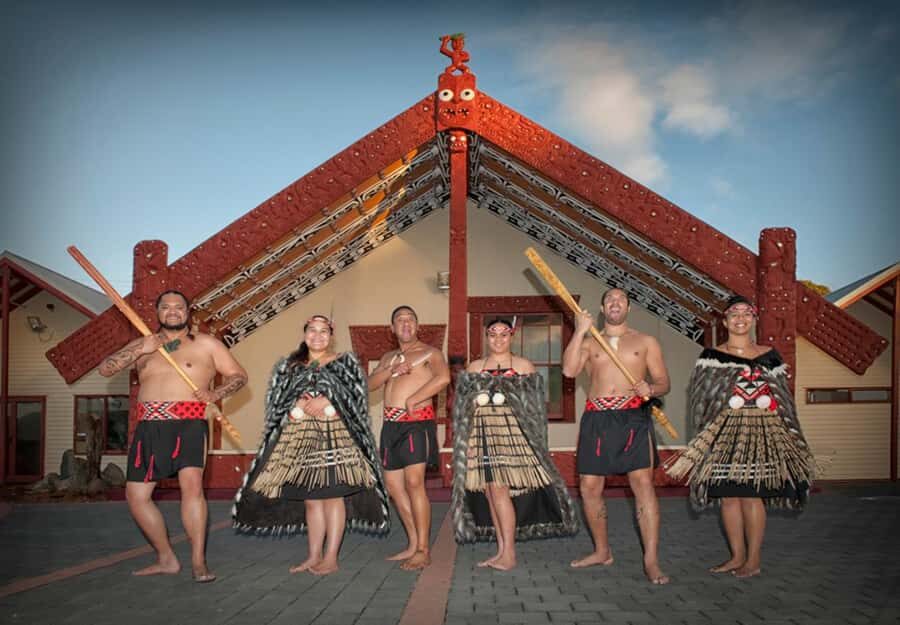
The tour includes the chance to witness the haka. This is one of those moments that can feel intense even when you’re prepared, mostly because the performance carries emotion and discipline, not just spectacle.
What makes this experience feel different is how it’s framed. The day isn’t presented like a performance you watch from far away. Your guide’s role is to give context, so you’re not only reacting to body language and sound—you’re also understanding why it matters.
This is where Ama’s value shines. The reviews highlight her kindness and attentiveness, and those traits help when the material is meaningful and not meant to be treated like background entertainment. You’re more likely to feel respectful and ready to listen.
If you’re sensitive to loud noise, you might want to plan for the fact that haka performances can be physically powerful. That doesn’t mean it’s inappropriate—just be aware it’s not a soft, quiet moment.
Supporting local artisans: treasures that keep value local
After lunch and the haka, the tour shifts into supporting local artisans. You’ll have a chance to support community businesses with unique treasures.
This part is more than shopping for souvenirs. It’s part of the story the guide is telling: how culture shows up in everyday craft and work. When artisans are involved, you’re not just buying an item—you’re reinforcing the local economy tied to cultural knowledge and creativity.
Also, the phrase unique treasures matters. This tour isn’t pitching mass-market trinkets. You’re looking for items that reflect the community you learned about that morning.
A small practical tip: if you buy something, plan your bag space. You’ll likely have a lunch bag, phone, water, and maybe a jacket. Keep it simple.
An ancient Pacific ceremony: connection and well-being to close
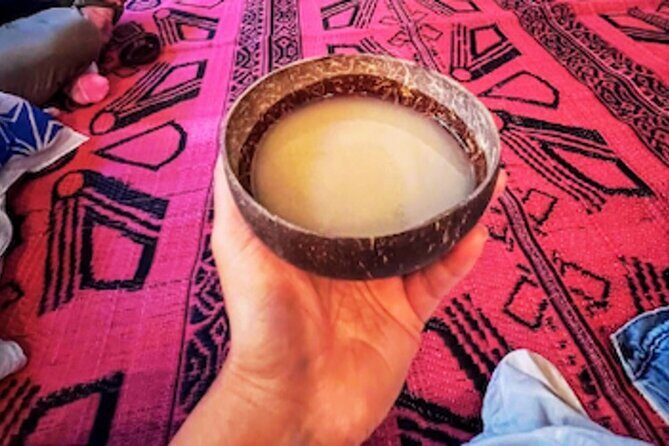
The day ends with an ancient Pacific ceremony focused on connection and well-being. This is a thoughtful way to wrap the experience. You start with a coffee and city sites, then move into land stories and cultural practice, and finish with a ceremony that brings everything back to human connection.
What I like about this pacing is that it doesn’t feel like a checklist of culture. The ceremony gives the day a “settle” moment. Even if you’re energized by the stories earlier, you’ll be guided toward a calmer, reflective mood at the end.
Just be ready for participation in whatever way the ceremony invites. Your guide will set the tone, but cultural ceremonies often ask visitors to engage respectfully and in the moment rather than treating it like a show.
Who this tour is best for (and who should think twice)
This is a strong pick if you want Māori culture in an urban setting. If you’ve done other New Zealand cultural experiences that focus mostly on rural villages, this Auckland version gives you the other side: how culture continues in the city.
It’s also ideal if you like guided storytelling with a personal voice. Ama’s role comes up again and again in the reviews: attentive, kind, and able to explain back story and history behind urbanization of Māori land.
This is less ideal if you have limited mobility due to light outdoor walking. The tour isn’t described as fully inaccessible, but the outdoor component is mentioned as a barrier for some people.
And if you dislike structured days, you might prefer something more flexible. This tour has a set 7-hour flow with included admissions and planned stops—so it’s best when you’re happy letting the schedule carry you.
Should you book the Auckland Urban Māori Experience?
Yes, you should book it if you want an Auckland-focused cultural day led by a guide who can connect what you see to what it means. The value doesn’t come only from transport and inclusions. It comes from the care in how the day is taught: coffee and city viewpoints, Te Pane o Mataoho with a descendant’s lesson, traditional lunch, the haka, artisans, and then a ceremony.
I’d skip or reconsider if mobility is a problem, since there’s light outdoor walking. Also, if your budget is extremely tight, you’ll want to compare it to self-guided options. But if you value a guided explanation and a smooth, private day with admission fees covered, this is one of the more sensible ways to do it.
One last tip: book early. With an average booking window of around 60 days, planning ahead is part of getting the date you want.
FAQ
What time does the Auckland Urban Māori Experience start?
It starts at 8:30 am.
How long is the tour?
The tour is approximately 7 hours.
What’s included in the price?
Lunch (traditional Māori cuisine), private pickup and drop-off transportation, and admission/entrance fees to all activities are included.
Is lunch included, and can dietary needs be accommodated?
Lunch is included, and you should inform the provider of any dietary requirements.
Is pickup offered?
Yes, pickup is offered, with private drop-off and pick-up transfers included.
Is this tour private?
Yes. It’s described as private, and only your group participates.
Is the tour suitable for limited mobility?
It is not recommended for travellers with limited mobility due to light outdoor walking.
FAQ
What’s the cancellation and refund policy?
You can cancel for a full refund up to 24 hours in advance of the experience start time. If you cancel less than 24 hours before, the amount you paid is not refunded.
How far in advance is this experience usually booked?
On average, it’s booked about 60 days in advance.
Where does the tour start for the day?
The experience starts at a meeting point that’s near public transportation, but the specific address isn’t listed in the information provided.
(If you want, tell me your dates and mobility needs, and I’ll help you decide what to wear and how to plan the rest of your Auckland day around the 7-hour schedule.)