REVIEW · AUCKLAND
Auckland Walking Tour: Small-Group History & Culture Experience
Book on Viator →Operated by Auckland Story - Small group guided walks · Bookable on Viator
Volcano-to-waterfront stories make Auckland feel personal fast. I like how this small-group walk connects Tāmaki Makaurau’s past to what you’re seeing today, and I also love the stop-by-stop mix of culture, politics, and street-level details. One possible drawback: since it’s a 3-hour walking tour with several short stops, you’ll want decent shoes and a willingness to keep moving at a comfortable pace.
You get a maximum of 6 people, which means the guide can tailor explanations and pause when the group needs it. The route is built around central Auckland landmarks—Albert Park, the University area (including the Clock Tower), Britomart, and the harbor end-point—so even if it’s your first time in town, you’ll leave with your bearings.
In This Review
- Key things to know before you go
- Why This Auckland Walk Hits the Sweet Spot
- From Volcano Stories to the Viaduct: What You’ll See
- Albert Park: A Quick Breath Before the City Talks Back
- University of Auckland Grounds and the Clock Tower Stop
- Old Government House and Emily Place: Where Power and Memory Meet
- Lord Freyberg Statue: A Short Look with Big Context
- Women’s Suffrage Memorial and Britomart’s Public Art Stops
- Queens Wharf Harbor Views and the Walk’s Payoff Ending
- The Guide Factor: Clear Explanations and Comfort Breaks
- Price and Value: What $73.23 Gets You
- Who This Tour Is Best For (and Who Should Skip It)
- Make It Easy on Yourself: Simple Tips Before You Go
- Should You Book This Auckland Walking Tour?
- FAQ
- How long is the Auckland walking tour?
- How much does the tour cost?
- What’s the group size?
- Where does the tour start and end?
- Do I need to print a ticket?
- What sights are included on the walk?
- Is there any admission fee included during the tour?
- Is the tour suitable for most people?
- Are service animals allowed?
- What is the cancellation policy?
Key things to know before you go
- Small group (max 6): easier questions, less waiting, and a more human pace
- Culture + history, not just landmarks: Māori legends and major civic moments woven into the walk
- Central-to-waterfront route: you end at the harbor with views from the quay area
- A real mix of stops: parks, university buildings, memorials, public art, and public waterfront spaces
- Guide-led comfort breaks: time to reset during the walk, plus local food/drink/shopping tips
- Most major stops are free: the tour focuses on guidance and interpretation more than paid entries
Why This Auckland Walk Hits the Sweet Spot
Auckland can feel like a city that’s all water, all hills, and all “quick photo, quick move.” This tour doesn’t fight that energy—it uses it. You’re walking through central neighborhoods while the guide ties the sights to bigger stories: volcanic origins, pioneering people, Māori legends, and major historical events. The result is that the city stops being a blur of angles and starts making sense.
I especially like the small-group format. With a max of 6, you’re not packed shoulder-to-shoulder, and it’s easier to hear the context behind what you’re looking at. That matters here because the stops aren’t just “look at that building.” They’re points where the guide explains why Auckland’s identity formed the way it did, then shows you where those ideas live now.
The other thing I like: the pacing is built for a walking tour that lasts about 3 hours. Short stops keep the group fresh, and there’s time set aside for refreshments so you’re not just power-walking until you’re hungry and cranky.
You can also read our reviews of more walking tours in Auckland



From Volcano Stories to the Viaduct: What You’ll See
This is one of those walks where the title sounds playful, but the route is actually purposeful. You start from the central city area near Khartoum Place and gradually work your way toward the harbor end of Auckland. Along the way you’ll get glimpses and reference points for the kinds of famous sights that first-timers usually chase with a car or a hop-on hop-off bus.
Here’s the flavor of the highlights you’ll run into:
- Sky Tower viewed at a short distance (it’s a good orientation moment)
- Britomart, including public art displays that turn the streets into a talking point
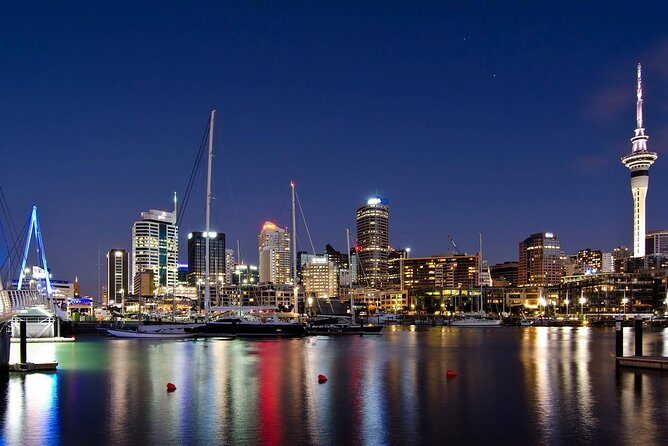
- Viaduct Harbour area energy (the walk heads toward that classic harbor vibe)
- Queens Wharf waterfront views where you can pause and actually look
- Mentions and visual context around the America’s Cup yacht and the New Zealand Maritime Museum (both are part of the harbor story this walk is trying to help you understand)
Even if you don’t stop at a museum, the guide’s framing makes the harbor feel like more than scenery. You’re seeing the places connected to trade, maritime life, and Auckland’s modern public identity.
Albert Park: A Quick Breath Before the City Talks Back
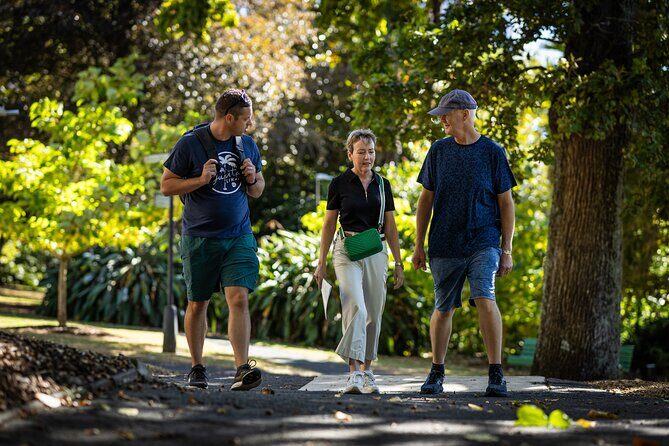
Albert Park is a smart early stop because it gives your brain a break. After you meet at Khartoum Place, the walk winds through the park area for about 10 minutes. It’s free to visit, and that’s useful because it keeps the tour focused on interpretation rather than ticket logistics.
What you’ll get here is a transition from “getting oriented” to “learning how Auckland became Auckland.” Parks often look like background in a walking plan, but the guide uses this one as a grounding point. You’re starting to connect open space and civic life with the city’s growth patterns.
Practical note: it’s still a walking tour, so treat this as a reset, not a long sit-down.
University of Auckland Grounds and the Clock Tower Stop
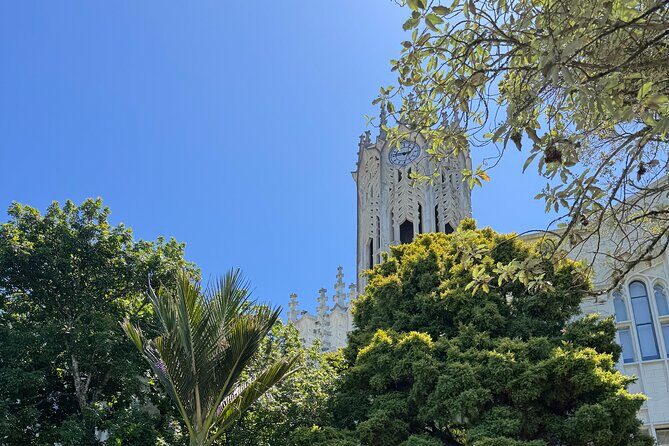
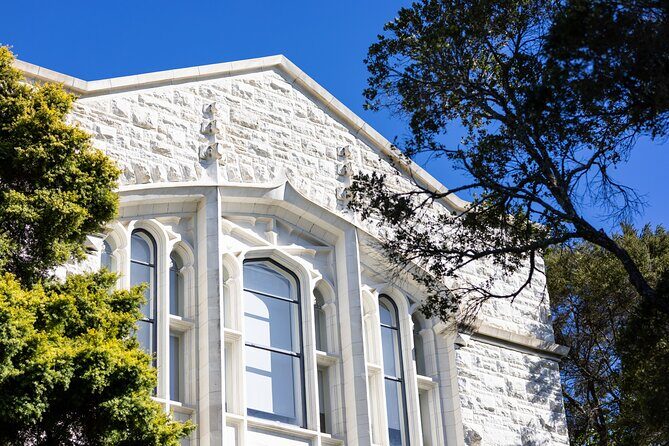
Next comes the University area for about 10 minutes, including time to see the Clock Tower from within the grounds. This stop works because it shows you how education and institutions shaped modern Auckland. It’s not just a pretty landmark—your guide explains how the city’s development connects to major local establishments.
The bonus is that you get a landmark you can easily spot later, even if you didn’t plan to spend time there on your own. In practical terms, it’s a “learn it now, recognize it later” kind of stop.
Everything here is free, so you’re not paying to access the viewpoint. You just walk, listen, and look with purpose.
Old Government House and Emily Place: Where Power and Memory Meet
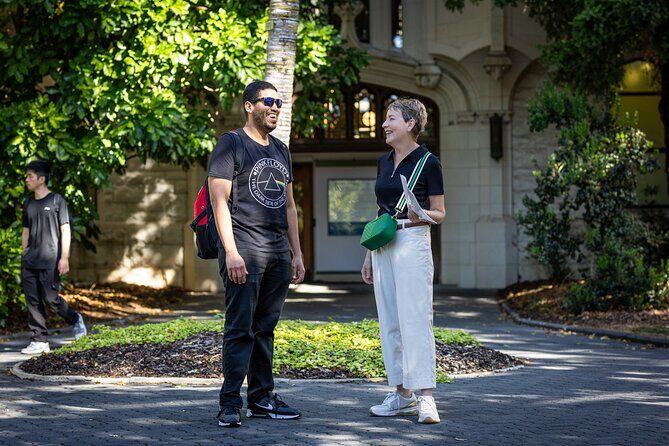
You’ll have a brief stop at Old Government House (about 5 minutes) to learn its history. Even short stops can work if the guide gives you a clear thread, and that’s what this tour does. Government sites are often easy to skip because they look static. But when someone explains what the building represented and why it matters, it changes how you read the surrounding area.
Then comes Emily Place Reserve (about 5 minutes), where the tour includes admission. That little “extra” matters because it signals that this stop is more than scenery. Reserve spaces are usually where you find the quieter layers of a city’s memory—small monuments, markers, and thoughtful public design that make the city feel lived-in instead of only developed.
If you’re the type who likes to understand a place through its monuments and civic signals, these are the moments that make the walk feel worth it even if you’re already familiar with Auckland’s big-name attractions.
You can also read our reviews of more historical tours in Auckland





Lord Freyberg Statue: A Short Look with Big Context
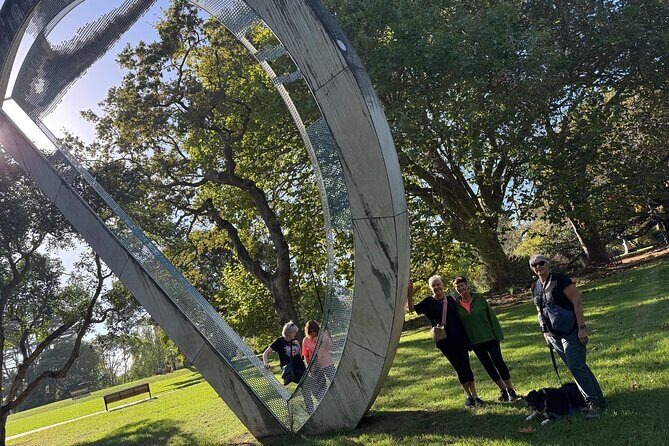
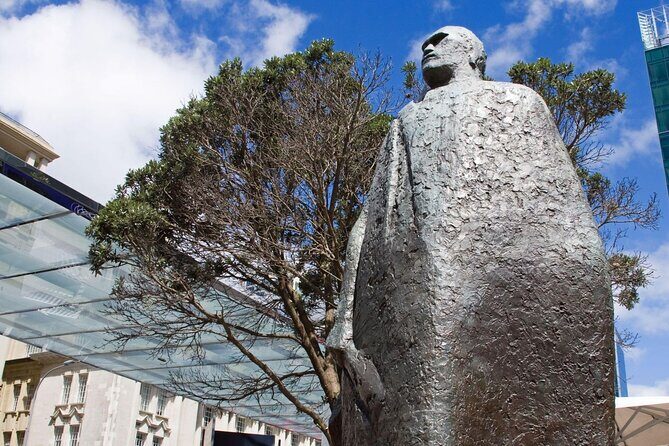
After that, there’s another brief stop at the Lord Freyberg statue (about 5 minutes). Again, it’s short, but statues can be perfect teaching tools. They compress a lot of meaning into one visual point: commemoration, national identity, and the way a city chooses to remember specific people.
This stop also helps keep the route varied. One minute you’re in greenery and institutional space, and the next you’re looking at a public memorial in a more street-like setting. It breaks the tour into readable chunks, not one long lecture.
Women’s Suffrage Memorial and Britomart’s Public Art Stops
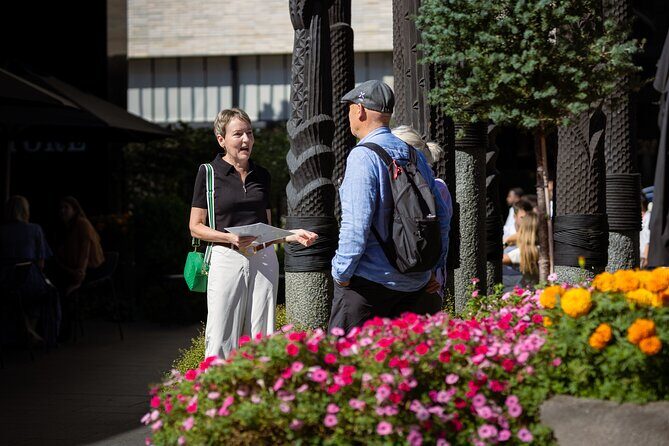
Auckland isn’t only about harbor views and famous towers. The tour also touches civic progress—especially through the Women’s Suffrage Memorial. This matters because it adds a human, rights-focused layer to the city’s story. When you connect political change to actual public space, the city feels less like a postcard and more like a timeline you can walk through.
From there, you move into Britomart for about 10 minutes, focusing on public art displays. This is one of my favorite kinds of city stops: you’re in a modern, active area, but the guide slows you down just enough to notice the art and understand what it’s doing there.
Public art can be easy to ignore if you’re rushing. Here, it becomes a clue. It shows you what Auckland wants to say about itself—often in symbols rather than plain plaques—and it links current cultural identity back to earlier stories you heard earlier in the walk.
Queens Wharf Harbor Views and the Walk’s Payoff Ending
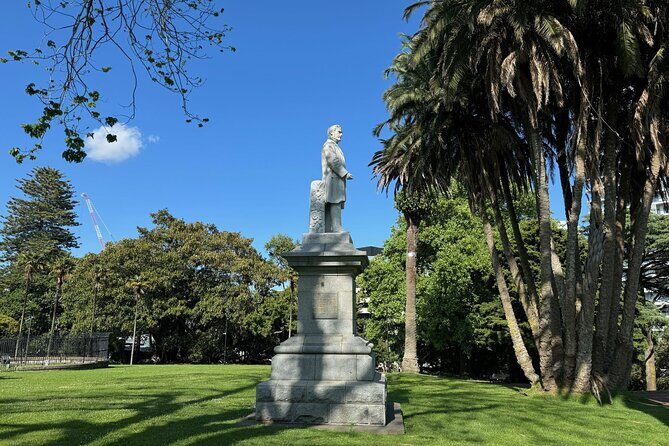
As you get closer to the harbor, the tour starts to shift from “look at landmarks” to “look at the water.” You’ll reach Queens Wharf for about 10 minutes. This is where you can do the most satisfying tourist activity: simply stand and take in the view with context in your head.
You’ll also end at 143 Quay Street at the waterfront area. The final moments are designed to let you absorb the bigger picture: Auckland’s central connection to the harbor, the way public spaces face the water, and why so many of the city’s major institutions and landmarks cluster here.
If you want photos, this is your moment. If you want a short breather, it’s also your moment.
The Guide Factor: Clear Explanations and Comfort Breaks
Auckland’s best walking guides do two things well: they explain in a way that you can track while walking, and they keep the group comfortable. The guide on this walk is known for being highly informative without turning it into a nonstop monologue. You’re told the story behind what you see, and you’re also reminded what to pay attention to while you’re still moving.
One of the strongest positives you should plan around is pace management. The tour includes breaks as needed so the walking feels doable. There’s also a break for refreshments, plus insider tips on places to eat, drink, and shop afterward. That kind of practical guidance can save you time the rest of the day.
There’s an extra layer too: personal local context. The guide shares personal stories about living in New Zealand, which helps the tour feel less like a script and more like an explanation from someone who actually calls the city home.
Price and Value: What $73.23 Gets You
At $73.23 per person for about 3 hours, the value here comes less from entrances and more from guided interpretation. Most of the planned stops are free to access, including areas like Albert Park and multiple viewpoints along the route. The one notable paid component in the schedule is Emily Place Reserve, where admission is included.
So think of the price as paying for:
- A tight route that covers a lot of meaning in a short time
- Context you won’t get if you just stroll on your own
- Small-group attention (max 6) and comfort pacing
- Local, actionable recommendations at the end
If you love history and culture but don’t want to spend hours researching before you go, this pricing often feels fair. If you only want sightseeing photos and you already know all the background, you might find it harder to justify compared with a self-guided walk. But if you’re aiming to understand Auckland quickly, the guided structure earns its keep.
Who This Tour Is Best For (and Who Should Skip It)
This walk is a strong match for you if:
- You’re visiting Auckland for the first time and want an orientation with story context
- You like history and culture woven into everyday streets
- You prefer a guided pace over making sense of everything alone
- You appreciate small groups where you can ask questions
It may be less ideal if:
- You need very long sitting breaks or step-free routing details beyond what’s stated
- You want a purely museum-based day (this is a walking, interpretation-heavy experience)
- You dislike getting moving repeatedly even when stops are brief
The overall note is that most people can participate, and the tour is set up for a comfortable walking experience, but it is still a walking route.
Make It Easy on Yourself: Simple Tips Before You Go
- Wear comfortable shoes. This is a walking tour with multiple short stops, so your feet will do most of the work.
- Bring a light layer. Auckland weather can shift, and you’ll be outside the whole time.
- Keep your phone ready for the mobile ticket. It helps you stay focused on the walk instead of paperwork.
- Have a short food plan. Since there’s a refreshments break and then tips for eating after, you’ll get more out of the day if you’re not already overly full or completely running on empty.
Also, arrive at the start point with a bit of buffer. Starting on time makes the pacing smoother for everyone.
Should You Book This Auckland Walking Tour?
I’d book this tour if you want Auckland to make sense fast. The route is central, the stories connect volcano origins to Māori legend to civic landmarks, and the small-group size keeps the experience comfortable and easy to follow. The guide’s focus on clear explanations plus comfort breaks is exactly what you want from a 3-hour walk.
I’d think twice if you’re only in Auckland for a very limited time and you prefer a DIY route with no listening time. But if you care about the why behind what you’re seeing, this is one of the smarter ways to spend a morning or afternoon in the city.
FAQ
How long is the Auckland walking tour?
It lasts about 3 hours (approx.).
How much does the tour cost?
The price is $73.23 per person.
What’s the group size?
The tour has a maximum of 6 travelers.
Where does the tour start and end?
It starts at Khartoum Place, Auckland Central, and ends at 143 Quay Street, Auckland Central.
Do I need to print a ticket?
No. You’ll use a mobile ticket.
What sights are included on the walk?
You’ll see and discuss places such as Albert Park, the University of Auckland Clock Tower area, Old Government House, Britomart (public art), Queens Wharf (harbour views), and you’ll also view Sky Tower at a short distance.
Is there any admission fee included during the tour?
Most stops are listed as free. Admission is included at Emily Place Reserve.
Is the tour suitable for most people?
Yes. Most travelers can participate.
Are service animals allowed?
Yes, service animals are allowed.
What is the cancellation policy?
You can cancel for free up to 24 hours in advance for a full refund. If you cancel less than 24 hours before the start time, the amount paid is not refunded.