REVIEW · AUCKLAND
Tiritiri Matangi Island Discovery – from Auckland
Book on Viator →Operated by Explore Group Limited · Bookable on Viator
A day on Tiritiri Matangi cuts through Auckland fast. You get a return cruise through Tikapa Moana and hours on a pest-free island sanctuary where native birds are the main event. I like that the island setup makes it realistic to spot species like kōkako, takahē, tīeke, and even tuatara in a setting that feels like another world.
I also love the freedom of the walking day: cliff-top tracks, native bush paths, and time to slow down with an easy coastal walk to Hobbs Beach. The main thing to consider is practical: rain can mean muddy ground and the boat can feel a bit rough or windy, so you’ll want the right gear and a realistic attitude about uneven trails.
In This Review
- Key things to know before you go
- Why Tiritiri Matangi feels like another world (even on a day trip)
- Getting there smoothly: Auckland Viaduct vs Gulf Harbour
- The cruise on Tikapa Moana: comfortable, but not always calm
- Arrival at Tiritiri Matangi: your wildlife-focused base
- Walking tracks: cliff tops, native bush, and the old lighthouse
- Hobbs Beach: the easy coastal break for a picnic or swim
- Lunch rules and what to pack for a pest-free visit
- Guided help vs self-guided exploring
- Timing and weather: how to choose the best day (and avoid regrets)
- Price and value: what you’re really paying for
- Who should book this (and who should consider another option)
- Should you book Tiritiri Matangi Island Discovery from Auckland?
- FAQ
- How long is the Tiritiri Matangi trip?
- Where do you depart from in Auckland?
- How long is the cruise to the island?
- What time do you leave the island?
- Is lunch available on Tiritiri Matangi?
- Can I bring my own food onto the island?
- Are restrooms available during the trip?
- What birds and animals can I see?
- What happens if the weather is poor?
Key things to know before you go
- Pest-free sanctuary time: This is about seeing rare native wildlife in a protected environment.
- Two cruise options: An 80-minute cruise from Auckland Viaduct or a shorter 20-minute express from Gulf Harbour.
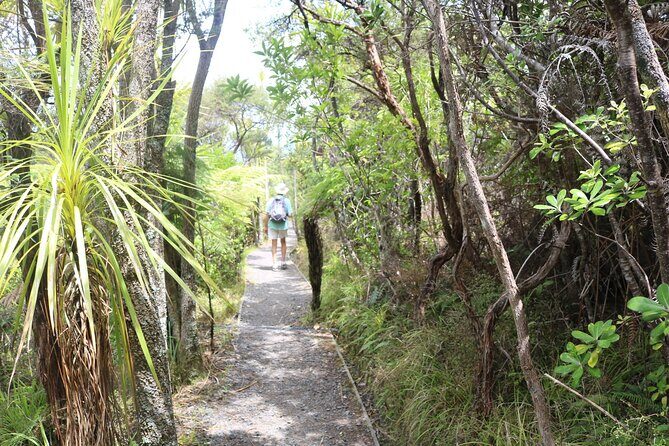
- Plenty of walking variety: Steep trails, quiet beaches, and dramatic cliff edges.
- No island food available: You need a packed lunch, in a sealed bag/container.
- Smallish maximum group: The experience caps at 200 travelers.
- Good birding support: Volunteer help on direction and hike choices can make a big difference.
Why Tiritiri Matangi feels like another world (even on a day trip)
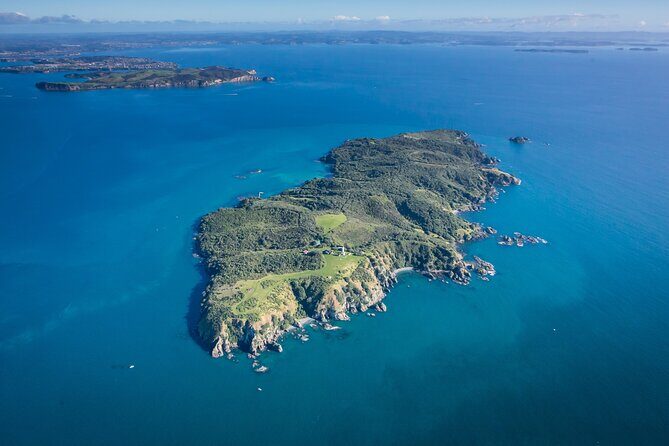
The big draw here is simple: Tiritiri Matangi is a pest-free island sanctuary, which means the whole place is built for native species to survive and breed. For you, that translates into better odds than most mainland viewing around Auckland, where introduced predators can make sightings hit-or-miss. It’s also why the wildlife watching is the core of the day, not a side activity.
What makes the island special is the mix of habitats you can walk through in a single visit. You’re not just going to a lookout and leaving. You’ll move between native bush paths, open coastal areas, and cliff-top scenery, and that variety helps you keep your eyes up for birds and tuatara-friendly areas.
It’s also a day that feels calm. Even though you’re within reach of central Auckland, the island environment turns down the volume fast. That contrast is a big part of why this works so well as an “easy but meaningful” nature outing.
You can also read our reviews of more tours and experiences in Auckland.

Getting there smoothly: Auckland Viaduct vs Gulf Harbour
You’ve basically got two convenient starting points, and your choice affects the whole rhythm of the day.
From Auckland Viaduct, the journey is longer: about an 80-minute cruise each way. This gives you more time on the water, plus you’ll likely feel like you’re doing a proper sea outing. The departure times are Wed–Fri at 9:00am and Sat–Sun at 8:30am.
From Gulf Harbour (Whangaparaoa), you’re looking at a much shorter 20-minute express cruise. The departure times there are Wed–Fri at 9:55am and Sat–Sun at 9:25am. If your goal is maximum time on island trails (and less time in transit), this is the efficient pick.
Either way, the experience includes return ferry service from your chosen departure point. There’s also an air-conditioned vehicle included, even though hotel pickup and drop-off isn’t part of the deal—so expect some form of local transfer tied to the service rather than you being collected from your accommodation.
The cruise on Tikapa Moana: comfortable, but not always calm
The water part matters because it sets your mood for the day. The trip is short enough that you won’t feel stuck, but long enough to notice conditions.
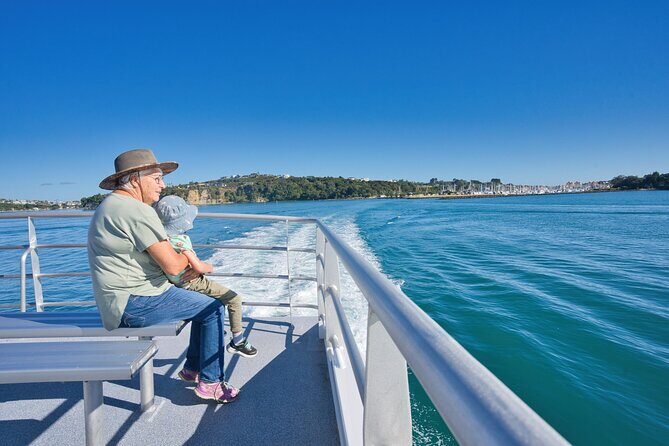
You should plan on the fact that it can be windy, and the ride can feel rough at times. That shows up in real-world advice: bring a jacket, and don’t assume you’ll be warm just because Auckland usually is. If you’re sensitive to motion, you’ll want to be ready for typical Gulf conditions.
On the plus side, you get practical comforts: the ferry has restroom access, and you’ll be traveling with a service that keeps things organized. Boarding is straightforward, and once you’re out on the water, the experience turns into a scenic day rather than a transport headache.
One more smart detail: this is weather-dependent. If conditions aren’t suitable, you’ll be offered a different date or a full refund. So don’t treat it like a guaranteed outdoor plan—treat it like a high-likelihood nature outing that still respects the sea.
Arrival at Tiritiri Matangi: your wildlife-focused base
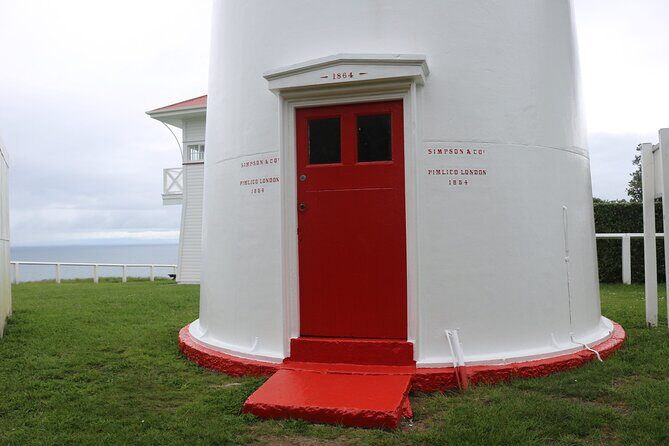
Once you arrive, the island becomes your playground. The core of the experience is simply time to explore the walking tracks and beaches at your own pace.
This is where the pest-free concept pays off. The island is managed as a safe haven for a range of native species, including kōkako, takahē, tīeke, and tuatara. You shouldn’t expect every animal on demand, but the setting makes those sightings genuinely possible within an Auckland day trip.
The other big “arrival bonus” is the walking network. You’ll be able to choose routes based on what you feel like doing—shorter coastal options, longer trails through native bush, or a more ambitious day on steeper paths. That flexibility makes the experience work well for mixed groups, including people who want a nature wander and people who want to chase birds harder.
And if you’re the type who loves context, you’ll likely appreciate the presence of volunteer support on the ground. In at least one account, volunteers helped with direction and hike choices, and that kind of on-the-spot guidance can help you avoid wandering in the wrong places for the kind of viewing you want.
Walking tracks: cliff tops, native bush, and the old lighthouse

Tiritiri Matangi isn’t just for birds. It’s also a walking island with real variety.
Expect native bush sections that feel different from typical Auckland coastal paths. It’s the kind of environment that slows you down, and once you’re walking longer trails, you start to understand why a protected island matters. You’re moving through habitat that’s trying to look and behave like it did before predators were a constant threat.
You’ll also find dramatic cliff-top areas. Those are great for scenery and for spotting wildlife activity where the terrain provides cover and feeding opportunities. Be ready for uneven ground—especially after rain.
And then there’s the standout historical feature: New Zealand’s oldest working lighthouse on the island. Even if you’re not a lighthouse person, it adds a sense of place that turns the visit from pure wildlife watching into a richer “I was here” experience. It also gives you a natural anchor point for your day: you can plan a route that passes the lighthouse area and builds out from there.
If it’s rainy, plan on the ground being muddy. It’s worth wearing footwear you don’t mind getting dirty, because comfort on steep or slippery sections matters more than looking good in photos.





Hobbs Beach: the easy coastal break for a picnic or swim
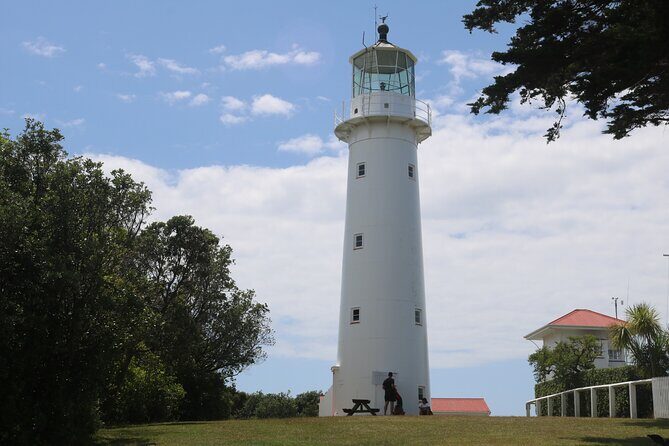
Midway through your island time, you can swap bird focus for a gentler pace.
There’s an easy 10-minute walk from Tiritiri wharf to Hobbs Beach, and it’s a favorite spot for a picnic or a quick swim if conditions allow. Even when the water isn’t inviting, it’s a nice spot to sit, eat, and let your eyes reset. That matters because birding works in phases: you might spend time scanning, then you’ll want a calmer window to enjoy the setting.
This is also a good reminder of how you should plan your packed lunch. If you want your picnic to be part of the day (instead of something you eat quickly while standing), build in time for Hobbs Beach. It’s the kind of reward that makes the day feel complete.
Lunch rules and what to pack for a pest-free visit
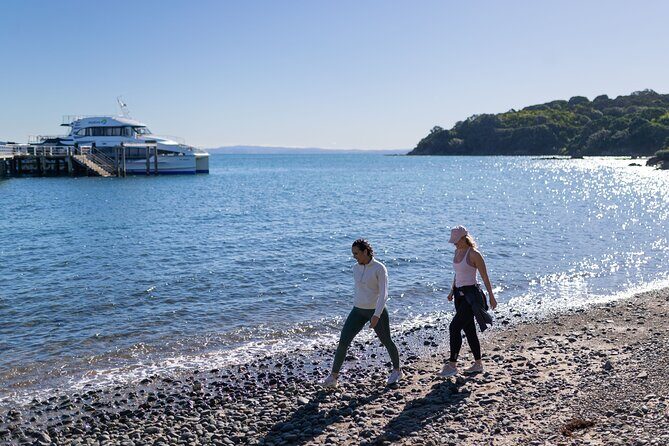
This trip is wildlife-first, and the island pest rules are taken seriously.
Lunch isn’t available on the island, so you must bring a packed meal. Food brought onto the island must be in a sealed container or sealed bag, which helps keep the island pest-free. You can buy food on board the ferry if you need it, but the simplest plan is to treat this as a pack-and-go picnic day.
Beyond food, pack like you’re doing a real outdoors walk:
- a jacket for wind and cool conditions
- water-resistant footwear (especially if rain is possible)
- layers, because you can feel cooler on the boat than you expect
Also remember that the day can run long. The overall trip duration is listed at about 5 to 9 hours, which is a wide range depending on which sailing and what time you return from the island.
On timing: you’ll depart Tiritiri Matangi at 2:40pm on weekdays and 4:00pm on weekends. If you’re the type who wants the lighthouse plus a longer trail, build your route so you’re not rushing at the end.
Guided help vs self-guided exploring
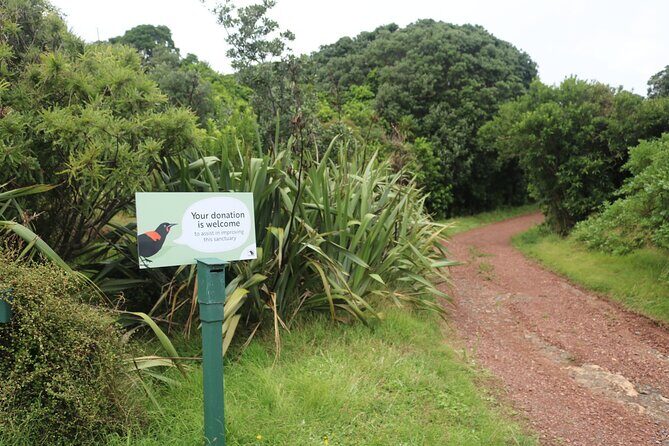
You don’t have to be a hardcore birder to enjoy this, but guidance can make a big difference.
In at least one account, people were encouraged to do a guided tour and to arrange it at the kiosk during check-in. That can help if you want more structure for where to walk and what you’re likely to see. If you’re self-guided, you’ll still get plenty of time to explore tracks, but you’ll rely more on your own route choices.
Either way, the key is to treat the island like a place with multiple “wins,” not one single destination. A good day often includes:
- a few longer stretches through bush
- at least one cliff-top area for views
- a calmer coastal stop for Hobbs Beach
- time to just pause and listen for birds
Volunteer help on direction and hike options can also be a plus. When you’re on a bird-focused island, it’s not just about walking—it’s about picking the right moments and places to slow down.
Timing and weather: how to choose the best day (and avoid regrets)
This experience needs good weather. If conditions are poor, the operator will cancel and offer another date or a full refund. So choose a day based on forecast, not just calendar convenience.
Also, consider what weather means in practice. The main downside isn’t a “ruined” experience—it’s that rain makes the grounds muddy and the walking experience more demanding. Cold wind can also show up on the water, which is why a jacket comes up again and again.
If you want the easiest day:
- aim for drier conditions
- bring shoes you can trust
- plan for at least some time walking steep sections even if you also do the easy beach path
And if the forecast isn’t perfect, don’t panic. Bring the right gear and keep expectations flexible: you’re going to a living sanctuary, not a theme park.
Price and value: what you’re really paying for
At about $68.26 per person, this isn’t a cheap add-on to a trip, but it also isn’t just a ferry ride.
Your money covers:
- return ferry service from either Auckland Viaduct or Gulf Harbour
- on-board comforts like restrooms
- time to explore multiple trails and beaches on the island
- an organized day structure, including transport support connected to the departure point
The trade-off is simple: lunch isn’t included, and you’ll need to bring a packed meal and follow the sealed-container pest rules. If you add the cost of food and snacks, plan it as a full-day outdoor trip that you feed yourself.
Where it feels like great value is in the protected-island concept. You’re paying for a chance to see rare native wildlife in a setting designed for conservation, plus the walking and historical lighthouse feature. For many people, the wildlife viewing is the main reason they go—and the rest of the day stays interesting even if not every bird species is visible.
Who should book this (and who should consider another option)
This tour suits you if:
- you want an Auckland-area nature day with real wildlife potential
- you like walking trails, even if some are steep
- you prefer a structured outing that still gives you time to explore on your own
- you want a meaningful conservation story without needing expertise
You might think twice if:
- you strongly dislike muddy paths or steep terrain after rain
- you get uncomfortable on windy boats and don’t want to plan for jacket and motion-related discomfort
- you’re hoping for a fully catered day with meals on-site
Should you book Tiritiri Matangi Island Discovery from Auckland?
I think it’s a strong booking when you want a high-value day trip that mixes wildlife sanctuary time, cliff-and-bush walking, and an actual place-with-history like the working lighthouse. The biggest reason to skip would be if you can’t handle outdoor walking conditions or you’re unwilling to pack lunch and follow sealed-food rules.
If your schedule allows, I’d book it with a flexible weather plan in mind. This is one of those trips where the island does the talking—your job is to show up prepared with layers, good shoes, and a calm pace for spotting wildlife.
FAQ
How long is the Tiritiri Matangi trip?
The experience runs about 5 to 9 hours, depending on the sailing and your time on the island.
Where do you depart from in Auckland?
You can depart from Auckland Viaduct or from Gulf Harbour (Whangaparaoa).
How long is the cruise to the island?
From Auckland Viaduct it’s about an 80-minute cruise each way. From Gulf Harbour it’s about a 20-minute express cruise.
What time do you leave the island?
You depart Tiritiri Matangi at 2:40pm on weekdays or 4:00pm on weekends.
Is lunch available on Tiritiri Matangi?
No. Food and drinks are not available on the island, so you need to bring a packed lunch.
Can I bring my own food onto the island?
Yes, but it must be in a sealed container or sealed bag to help keep the island pest-free.
Are restrooms available during the trip?
Yes. There is a restroom on board.
What birds and animals can I see?
The island sanctuary supports native species including kōkako, takahē, tīeke, and tuatara, and it’s designed so these animals can flourish.
What happens if the weather is poor?
This experience requires good weather. If it’s canceled due to poor weather, you’ll be offered a different date or a full refund.