REVIEW · AUCKLAND
2 Hour Surf Lesson – Te Arai Beach
Book on Viator →Operated by Aotearoa Surf School · Bookable on Viator
Catching your first wave starts with the basics done right. This 2-hour Te Arai lesson by Aotearoa Surf School gives you the full package—gear, coaching, and safety—so you’re not just flailing in the water.
I especially like that you get all the equipment and sunscreen sorted for you, and that the lesson stays small enough for real feedback. The one drawback to plan for: souvenir photos cost extra, so if you want a memory beyond your own shots, budget for it.
At Aotearoa Surf School, you’ll work on stand-up fundamentals like positioning, paddling technique, ocean awareness, getting out through the waves, and timing for takeoff—then put it together with the pop-up. One instructor named Maya is specifically praised for handling different levels smoothly, including helping a 7-year-old beginner get up and catch waves.
In This Review
- Key things that make this Te Arai lesson worth your time
- Te Arai Beach: why this is a smart place to learn
- Price and value: what $50.92 buys you (and what it doesn’t)
- Before you even paddle: check-in, gear up, and stay safe
- The lesson flow: from positioning and paddling to the pop-up
- What the instructor coaching style should feel like
- Stop at Aotearoa Surf School: how the session starts and ends
- Views, timing, and the reality of learning to stand
- Who this surf lesson is best for
- What to bring (and what to plan for)
- Should you book the 2-Hour Surf Lesson – Te Arai Beach?
- FAQ
- What’s included in the 2-hour surf lesson?
- How long is the experience?
- Is pickup available?
- Where does the lesson meet?
- How big is the group?
- Can beginners participate?
- Are souvenir photos included?
Key things that make this Te Arai lesson worth your time
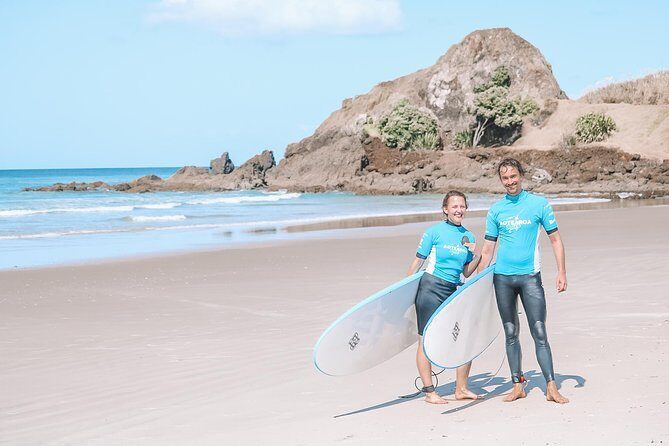
- Gear and sunscreen are included (wetsuit, rash shirt, surfboard, and leash), so you show up ready.
- Small group size (max 12) means you get personal eyes on your technique.
- They teach the full surf chain: safety, positioning, paddling, ocean awareness, paddling out, then timing and takeoff.
- You focus on the pop-up early so you can actually stand and ride, not just watch.
- It’s built for multiple levels (beginner through intermediate and beyond), so you’re not stuck in one-speed instruction.
- Photos aren’t included, so bring your phone or plan to purchase extras.
Te Arai Beach: why this is a smart place to learn
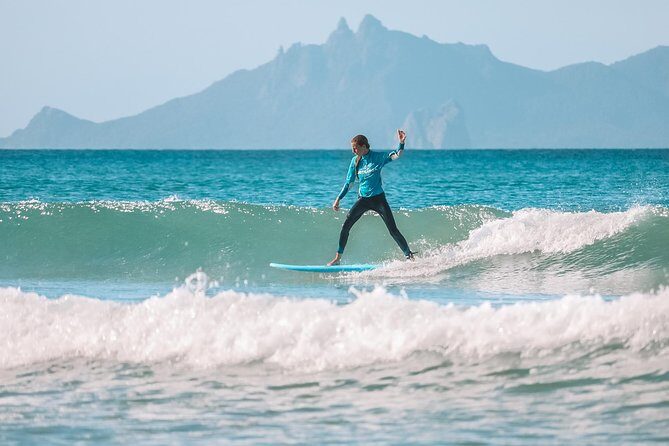
Te Arai sits on Auckland’s north-east coast, and it’s a practical choice for learning because the lesson is built around clear skill steps, not vague “good luck out there” vibes. You’re not sent to wander the shoreline. You get coached through the exact moments that make surfing feel either magical or frustrating: paddling, positioning, getting out through the waves, and then the timing that turns a wipeout into a ride.
Also, you’ll be working in the real surf environment, which matters. Surfing is part sport, part reading the ocean. This lesson treats that as a skill, not a mystery. You’re taught ocean awareness and safety alongside technique, so you learn how to move with what the water is doing, not against it.
And yes, you’ll get that classic east-coast reward: big sea views while you’re practicing. It’s easier to stay patient when the setting is this good and your progress is actually structured.
You can also read our reviews of more tours and experiences in Auckland



Price and value: what $50.92 buys you (and what it doesn’t)
At $50.92 per person, this lesson is priced like a straightforward activity—yet it includes the stuff that often quietly makes surf lessons more expensive later.
What you get included:
- The surf lesson itself (about 2 hours, with the full activity running around 2 hours 30 minutes)
- Qualified instructor time
- All required equipment: surfboard, leash, wetsuit, and rash shirt
- Sunscreen protection
- Taxes and handling charges
- Small-group format (up to 12 people)
What you don’t get included:
- Souvenir photos (sold separately)
So the value equation is simple: you’re paying for instruction plus gear plus safety basics. You’re not paying to rent equipment first and then figuring out how to use it later. For a first-time lesson, that’s a big deal. You’ll leave knowing what to practice next instead of guessing.
One more value tip: because booking is often made about 35 days in advance on average, you’re wise to lock in your spot early if your dates are fixed.
Before you even paddle: check-in, gear up, and stay safe
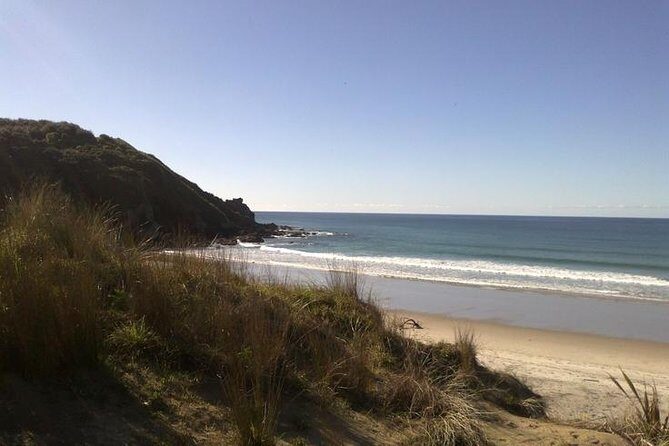
The experience starts at 708 Te Arai Point Road, Te Arai 0975, at Aotearoa Surf School. The key early step is simple: gear up correctly, then get the safety briefing that makes the rest of the lesson usable.
You’ll be provided with:
- Wetsuit (to handle the water temps)
- Rash shirt
- Surfboard
- Leash (this one matters for not losing the board and for basic surf safety)
- Sunscreen protection
Then comes the part new surfers often underestimate: how to be safe while you’re still learning. The lesson focuses on safety and ocean awareness, and that shows up in how they explain what you should do when you’re around breaking waves. This isn’t just rules. It’s practical habits that keep you calmer and reduce panic when things get messy.
Expect to get coached on things like ocean awareness and getting out through the waves before you’re asked to time takeoffs. In other words, they don’t throw you into the hardest moment first. They build you a path.
The lesson flow: from positioning and paddling to the pop-up
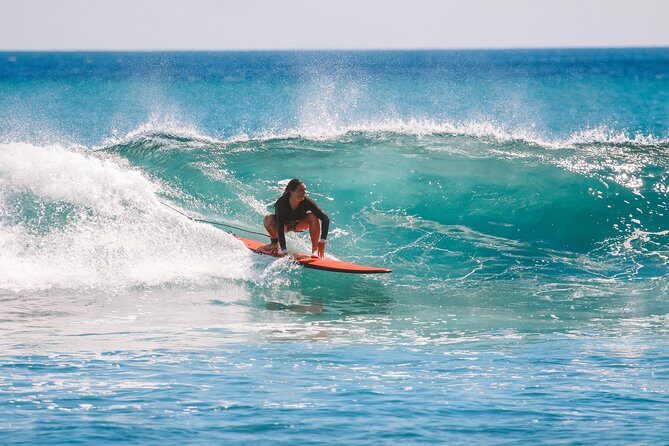
This is where the coaching earns its money. The lesson is structured around the moments that control whether you’re lying down on the board or actually standing and riding.
Here’s the skill chain you’ll practice:
- Positioning: where you should be on the board so you can move fast when waves come.
- Paddling technique: how you paddle so you’re not just working hard, you’re moving efficiently.
- Ocean awareness: how to read what’s coming and understand the timing of the break.
- Getting out through the waves: the method for reaching the lineup without turning it into a constant surfboard battle.
- Timing & takeoff: when to transition from paddling to standing.
- Master the pop-up: the move that turns “I’m trying” into “I’m up.”
If you’ve ever watched surf videos and wondered how people magically appear standing, this is your answer: it’s not magic. It’s repetition on the exact sequence your body needs.
And a useful detail from the instructor success story: an instructor named Maya is praised for using sharp feedback and an eagle eye to help people across levels, even a young beginner. That’s a good sign that the coaching isn’t generic. You’re more likely to get specific corrections that help you stand sooner.
What the instructor coaching style should feel like
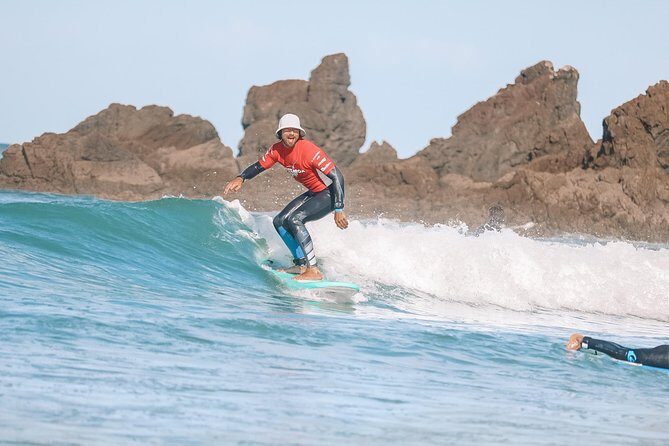
This is a small-group lesson, with a maximum of 12 people. That matters more than you’d think. With small groups, you’re not just learning a routine—you’re getting feedback at the moments when it can actually change your next attempt.
In a larger group, you might see the instructor once or twice and then go freestyle. Here, the format supports personalized attention, and that shows up when you’re practicing the pop-up and timing. You’ll learn what to fix first. Usually it’s one of two things: your position on the board or the timing of your stand.
It also helps that lessons can be designed for different experience levels. So if you’re a first-timer, you can focus on the fundamentals. If you’ve surfed before, you’re not stuck doing the slowest version of everything.
You can also read our reviews of more tours and experiences in Auckland

Stop at Aotearoa Surf School: how the session starts and ends
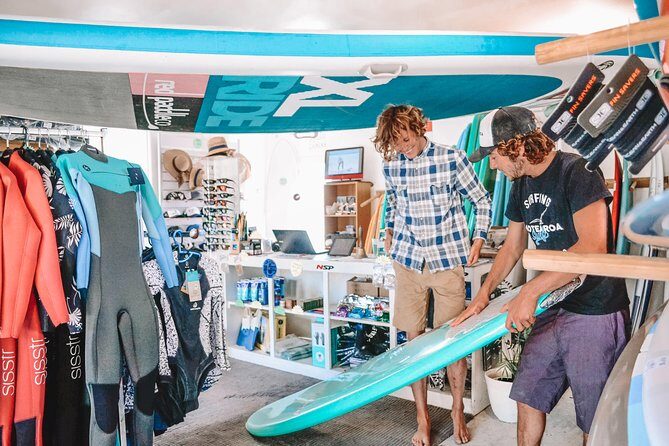
The itinerary is simple: one main stop at Aotearoa Surf School. The activity ends back at the meeting point, so you can treat it like a tight loop rather than a half-day odyssey.
What that means for you:
- Your time is concentrated. You’ll spend your energy on practicing, not traveling between multiple spots.
- Check-in and equipment fitting happen in one place.
- When the lesson ends, you’re back where you started—easy on logistics, easy on your schedule.
Pickup is offered, which can make the whole day feel smoother if it’s available for your booking. Since pickup details aren’t spelled out here, you’ll want to confirm the pickup option during your reservation flow. Still, it’s a nice bonus if you’d rather not sort transport with salt in your hair.
Also, you’ll get a mobile ticket and confirmation at booking, which keeps things streamlined once you arrive.
Views, timing, and the reality of learning to stand
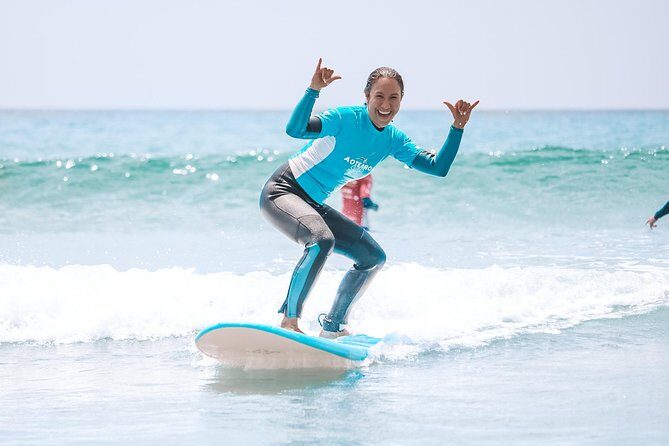
Here’s what you should expect emotionally: learning to surf can flip from confident to chaotic in seconds. That’s normal. The lesson is built to reduce that chaos by teaching you ocean awareness and the right way to get out through waves before you’re asked to time takeoffs.
The real payoff comes when your body hits the pop-up sequence at the right moment. Once that clicks, the rest changes quickly. Instead of “trying to stand,” you start working on controlling the ride.
If you’re wondering what the highlight looks like, it’s that first clean stand-up on a wave. People often remember the exact moment they go from wobble to balance and realize they can repeat it. That’s why the lesson prioritizes positioning, pacing, and timing rather than just throwing you into the water and hoping.
One more practical note: you’ll use a wetsuit and rash shirt, which helps you focus on technique instead of dealing with cold stress or scraped skin. That’s a quiet advantage that makes practice easier.
Who this surf lesson is best for
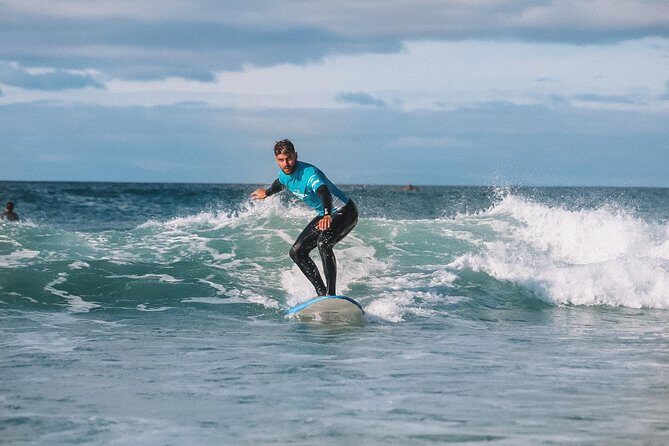
This lesson is designed for people who want to learn properly—not just catch a random wave. It’s also a good fit if you like structured teaching and want to practice skills you can carry forward.
You’ll likely enjoy it most if:
- You’re a beginner and want a step-by-step path to standing.
- You want to learn surf basics you can practice later, ideally with a plan for what to work on.
- You like small-group coaching with real feedback.
- You’re traveling with mixed ages or levels and want an instructor who can adapt. The example of Maya working with beginners and an intermediate level (and helping a 7-year-old starter) suggests the teaching approach can handle variation.
If you already surf regularly and want advanced coaching, this might still be fun, but you may want private or higher-intensity instruction depending on your goals. The lesson can be designed for more advanced surfers, but the session is still only about two hours of teaching time.
What to bring (and what to plan for)
The lesson includes sunscreen protection and all surf gear, so you’re mostly packing for comfort and recovery.
A smart approach:
- Wear clothes you can change out of after.
- Bring a towel if you have one you like (not listed as included).
- Have water ready for before and after—your body works harder than you expect when you’re paddling and popping up repeatedly.
Souvenir photos are available for purchase, but they’re not included. If photos are important to you, plan to buy them during or after the session rather than assuming they come automatically.
Also, since the activity runs about 2 hours 30 minutes, plan your day with a buffer. You’ll likely be energized during the lesson and then tired after, in a very good way.
Should you book the 2-Hour Surf Lesson – Te Arai Beach?
If you want a first surf experience that feels guided and genuinely structured, I’d book this. It covers the full skill sequence—safety, positioning, paddling, ocean awareness, getting out through waves, and timing for takeoff—so you leave with something real to practice. The small-group size (max 12) supports personalized attention, and the gear and sunscreen being included means you can show up without last-minute shopping.
Book it if:
- You’re new to surfing or returning with basics to rebuild.
- You want to focus on the pop-up and standing, not just being in the water.
- You like clear instruction and feedback.
Skip it if:
- You’re only interested in advanced tricks and want a heavy progression session.
- You hate the idea of paying extra for photos if you want a printed memory.
If you’re ready to learn with coaching and you’ll be in Auckland soon, this is a solid, practical choice—and Te Arai is a great place to start.
FAQ
What’s included in the 2-hour surf lesson?
The lesson includes the 2-hour surf session, a qualified instructor, and all required equipment: surfboard, leash, wetsuit, and rash shirt. Sunscreen protection, plus taxes and handling charges, are also included.
How long is the experience?
The duration is approximately 2 hours 30 minutes.
Is pickup available?
Pickup is offered. You’ll see the pickup option during booking and can confirm details then.
Where does the lesson meet?
The start location is 708 Te Arai Point Road, Te Arai 0975, New Zealand. The activity ends back at the meeting point.
How big is the group?
This activity has a maximum of 12 travelers, which helps keep coaching more personal.
Can beginners participate?
Most travelers can participate, and lessons can be designed for beginner, intermediate, and more advanced surfers.
Are souvenir photos included?
No. Souvenir photos are available to purchase, but they are not included.