REVIEW · AUCKLAND
5-Day New Zealand North and South Island Highlights Tour
Book on Viator →Operated by Leisure Tours · Bookable on Viator
A five-day loop with real variety. This tour knits together Waitomo Glowworm Caves boat time, Rotorua geothermal sights, and the big-ticket crossing from Wellington to Picton, plus a Coastal Pacific train stretch when it runs. You also get overnight bases in Rotorua, Wellington, and Kaikoura, which helps the days feel less chaotic and more like a proper road trip.
I especially like the “see a lot, but stay put” pacing, and I like that major natural highlights come with guided or ticketed time, not just free wandering. One thing to consider: the middle of the trip includes long travel legs and afternoon free time, so it is not a single, nonstop guided day after day experience.
In This Review
- Key things I’d flag before you go
- A North-to-South highlights route that actually feels efficient
- Value check: what you’re paying for (and what you aren’t)
- Day 1: Waitomo Glowworm Caves and the Rotorua arrival rhythm
- Day 2: Whakarewarewa Thermal Village in Rotorua (heat, steam, and culture)
- Day 3: Lake Taupo quick hit, then the road toward Wellington
- Day 3 into Day 4: The note about travel time and expectations
- Day 4: Interislander ferry across Cook Strait and the rail to Kaikoura
- Day 5: Kaikoura whale watch, then Christchurch finish
- What the “two self-guided afternoons” do for you (or against you)
- Group size and the “solo feel” question
- Comfort and practicalities that matter on this route
- Who should book this Auckland-to-Christchurch highlights tour
- Should you book it?
- FAQ
- What cities does this tour run between?
- Is hotel pickup and drop-off included?
- How do you cross Cook Strait?
- Is the Coastal Pacific train always included?
- What’s included in the tour price?
- Are meals included?
- What’s the full refund cutoff?
Key things I’d flag before you go
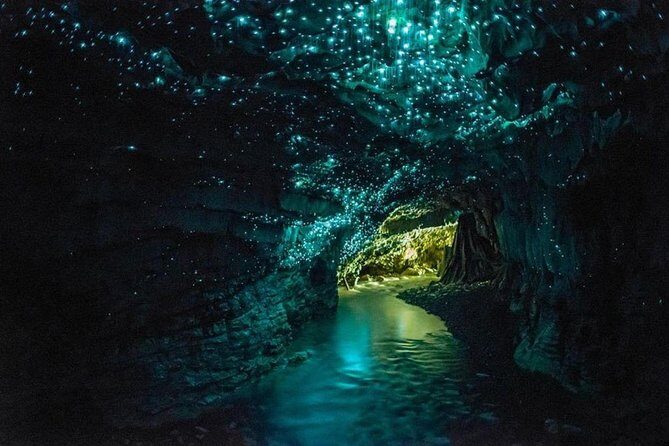
- Waitomo Glowworm Caves boat ride: a short cruise into the grotto, guided by the caves’ own operators
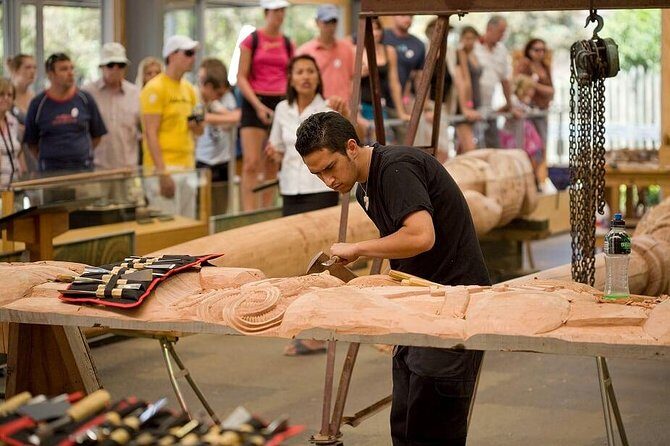
- Whakarewarewa Thermal Reserve: geothermal valley views plus a Living Maori Village visit
- Interislander Cook Strait ferry: time on the water between Wellington and Picton
- Coastal Pacific rail scenery window: the Picton-to-Kaikoura train is only included 01 Oct to 30 Apr
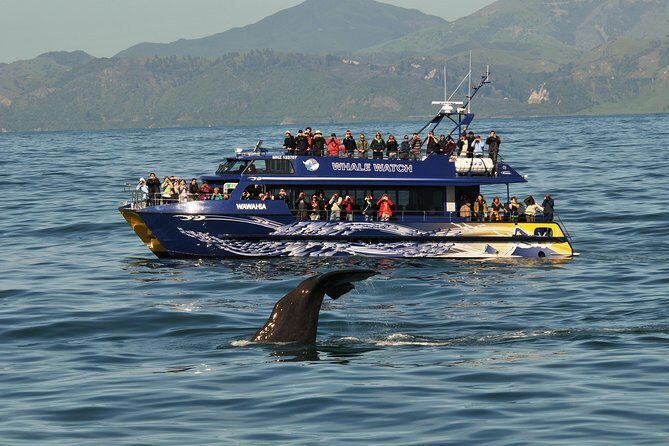
- Kaikoura sperm whale watch: built around wildlife viewing, not just sightseeing photos
- Max 20 people: smaller group size than many big-bus tours, even if the days are independently run
A North-to-South highlights route that actually feels efficient
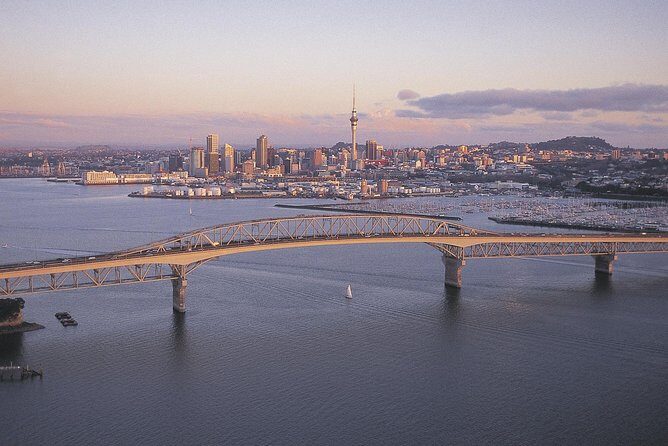
New Zealand is big. This itinerary is designed to cover a lot without turning your trip into nonstop driving. You start in Auckland and finish in Christchurch (or do it in reverse), using a mix of coach, ferry, and rail to move between the islands. That matters because each mode of transport gives you something different: roads for geothermal stops, ferry time for Cook Strait views, and train time for that classic coast-meets-mountains feel.
The structure is also smart for your energy. You get overnight accommodation in Rotorua, Wellington, and Kaikoura, so you’re not constantly dragging your luggage across the same base. Each day does have a scheduled “getting there” component, but you’re usually checking into a new place rather than crisscrossing back and forth.
My other big plus: major attractions are actually included with tickets or guided time. You’re not left trying to hunt down tours for the headline stuff like glowworms or whale watching.
You can also read our reviews of more tours and experiences in Auckland
Value check: what you’re paying for (and what you aren’t)
The price is $1,364.64 per person for about five days, including four nights of accommodation and several paid experiences: Waitomo glowworm tour, Whakarewarewa visit, the Cook Strait ferry crossing, the Coastal Pacific train segment (when running), and a Kaikoura whale watch. Pickup and drop-off at your accommodation are also included.
That can be good value if you would otherwise have to piece together the same elements yourself. The combination is the point: glowworms, Rotorua geothermal, a Cook Strait ferry, rail scenery, and a whale tour is not a casual “pick up at the last minute” mix.
What is not included is just as important. Food and drinks are on you, and gratuities are optional. You’ll also want to accept that your day structure includes afternoon leisure time in at least a couple cities. If you like tightly guided schedules with constant commentary and one group that stays together all week, you might feel less “tour-like” when the itinerary loosens.
Also, timing matters for one big portion: the Coastal Pacific train is only included 01 October to 30 April. If your dates are outside that range, the “train views between Picton and Kaikoura” part may not match the promise in the highlights list.
Day 1: Waitomo Glowworm Caves and the Rotorua arrival rhythm
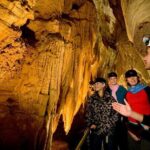
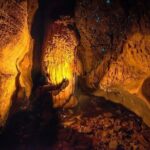
Your first “wow” stop is the Waitomo Glowworm Caves. You depart Auckland by road and drive into the Waitomo area. The day includes a guided cave tour and then a short boat ride along the river into the grotto. This is one of those moments where the timing and order are everything: you get guided orientation in the caves first, then the boat places you right where the glowworms do their best work.
A practical note: caves are cool and damp. Wear something you’d be comfortable walking in for a bit, and plan for the fact that the cave area temperature can feel chilly even if Auckland is warm. The good news is that you’re only in the cave for part of the day and you’re heading to Rotorua afterward, so you get warmth and downtime.
Once you reach Rotorua, you have the rest of the evening at leisure. The itinerary is light here on purpose: you can walk the central city, check out the lakefront, and visit Government Gardens, all within an easy distance of your hotel.
This free time is useful if you like an early “settle in” day. It also lets you shop for dinner or pick a casual geothermal-view spot without feeling rushed.
Day 2: Whakarewarewa Thermal Village in Rotorua (heat, steam, and culture)
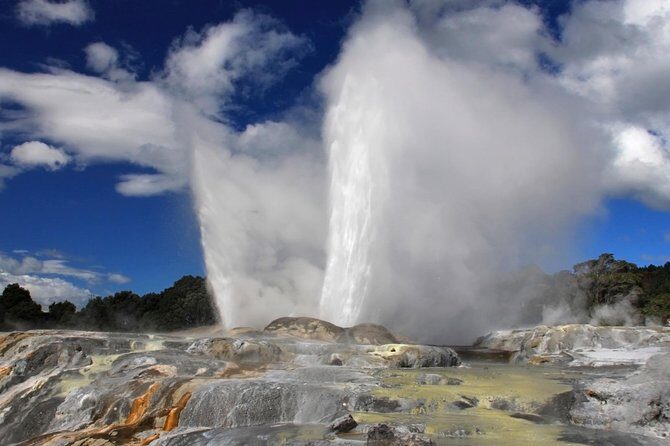
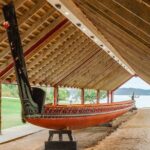
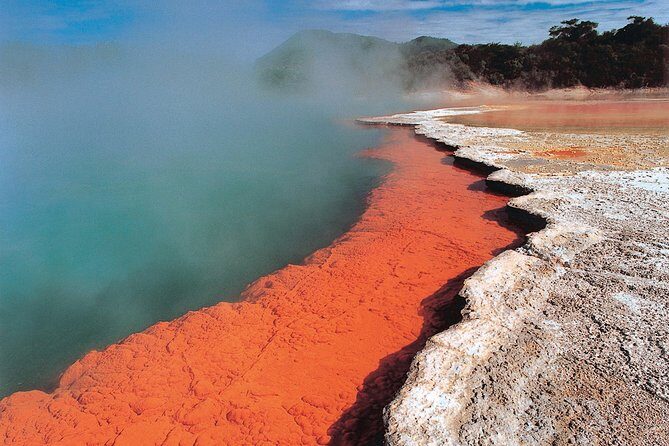
Rotorua is famous for geothermal activity, but what you do with that information is what makes the day memorable. Today you visit Whakarewarewa – The Living Maori Village at Wharewarewa Thermal Reserve. It’s scheduled as a guided activity that focuses on the thermal valley, including boiling mud pools, and it also includes the Living Maori Village component.
This is a stronger “experience-style” day than a simple park visit. Instead of you just wandering viewpoints, the tour structure gives you context for what you’re seeing and watching. In Rotorua, you can look at steam all day, but understanding how and why the area works the way it does adds a layer you’ll appreciate later when you spot geothermal features in other parts of the country.
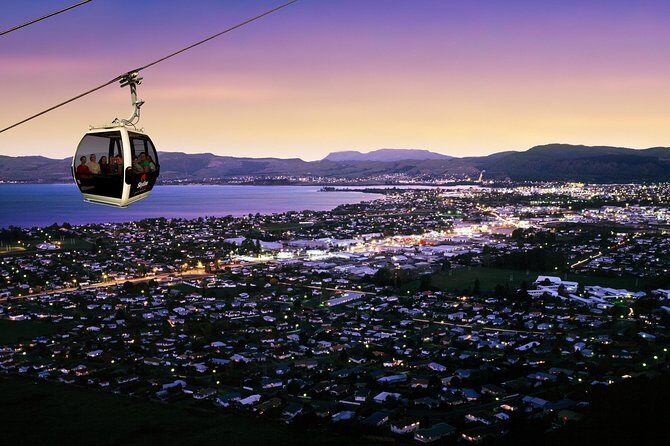
After that, you again get a full afternoon at leisure in Rotorua. This is your chance to choose your own pace. If you want more geothermal action, you can look at options like Rainbow Springs or the Skyline Gondola (both are mentioned as possibilities). If you’d rather keep it easy, Rotorua’s lakefront and Government Gardens are a low-effort win.
Because this is your second full day in Rotorua, it helps that you’re not asked to cram too many things into a single tight block. You get one guided anchor, then time to pick what you personally want more of: attractions, views, or just slow wandering.
Day 3: Lake Taupo quick hit, then the road toward Wellington
On day three you transition from Rotorua to Wellington by road, with Lake Taupo listed as your first stop. The stop is short (it’s listed at about 20 minutes), which means you should treat it as a photo-and-stretch break, not a full excursion. If you want a longer Taupo stop, you’ll need to build it yourself.
The road segment also includes views along the Kapiti Coast, with Kapiti Island visible off the coast and, on a clear day, snow-capped mountains of the South Island across Cook Strait. This is the kind of “you only get it from the road” scenic moment that makes the drive feel worthwhile instead of just transport.
When you arrive in Wellington, you’re transferred to your hotel. Wellington itself becomes your playground for the evening and night, but the schedule says “free” rather than structured—so plan to eat well locally and enjoy the city at your own tempo.



Day 3 into Day 4: The note about travel time and expectations
There’s a pattern here worth calling out. This is an independent touring setup with different coach and driver each day and pickup/drop-off at your accommodation. That’s convenient, but it changes the feel.
On the Rotorua-to-Wellington coach leg, the itinerary notes it’s a full-size tour coach with door-to-door service, yet no commentary. No commentary isn’t automatically bad—sometimes it helps if you just want quiet travel—but it does mean the trip between points is mostly about the scenery and your own browsing rather than a narrated guided ride.
So if you’re hoping for constant guidance, you may find yourself doing more “your time, your pace” management than you expected.
Day 4: Interislander ferry across Cook Strait and the rail to Kaikoura
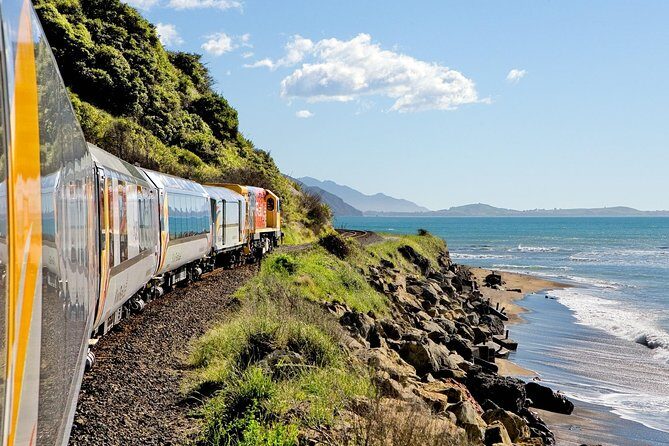
Day four is built around two big travel-view segments: a ferry crossing and then a train ride.
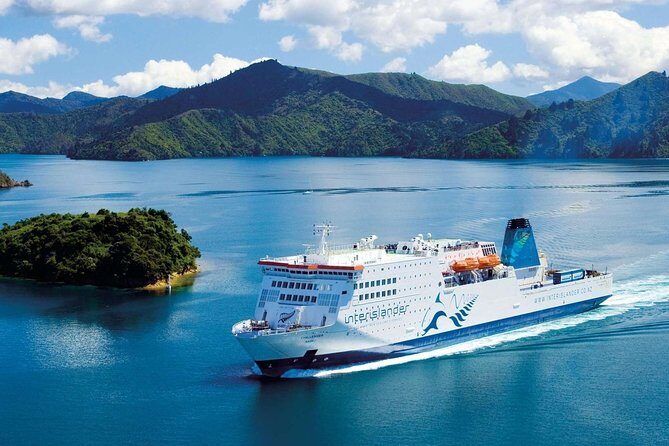
First, you get picked up from your Wellington hotel and transferred to the Interislander Cook Strait Ferry. The itinerary explicitly frames this as a scenic part of the journey, and you’ll see sights on the Marlborough Sounds during the crossing route. Even if you’ve seen ferry travel before, Cook Strait’s geography makes it feel more like a moving viewpoint than a basic transit step.
Next comes Picton, where you transfer to the Pacific Coast Railway Station and join the Coastal Pacific train journey from Picton to Kaikoura. Here’s the key detail: it’s only included from 01 October to 30 April. During that window, the train segment is the scenic highlight for your coast-and-mountains fix. If your trip dates fall outside that range, confirm what replaces it before you finalize plans.
When you arrive in Kaikoura late afternoon, you’re transferred to your accommodation. Kaikoura is famous for seafood, and the itinerary hints at plenty of restaurants near where you’re staying. That’s a useful detail: you can treat this as a “walk out and eat” kind of evening rather than planning a long drive.
Day 5: Kaikoura whale watch, then Christchurch finish
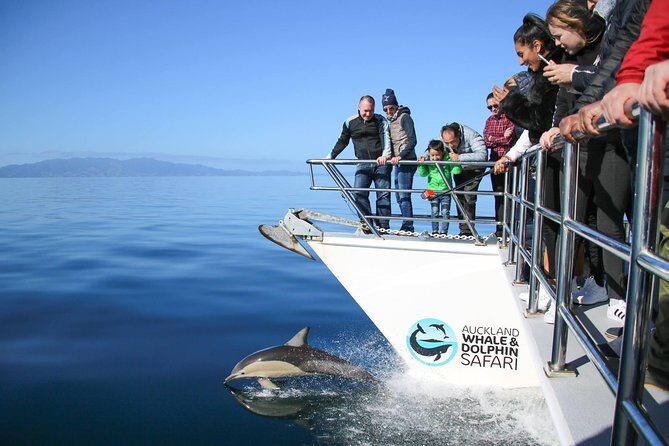
Your final day is all about the reason people base themselves in Kaikoura: the ocean wildlife. You join a Whale Watch Kaikoura tour to see giant sperm whales and a range of other marine life, including dolphins, seals, and seabirds.
This is one of those activities where the schedule is straightforward: you’re going out to look for whales. The practical advantage of putting it on your last day is that you can keep the morning focused and not worry about packing or multiple transfers in between. It also helps emotionally: you end with a major natural-world moment before heading to the city finish.
After the whale watch, you travel by road to Christchurch, the largest city in New Zealand’s South Island, where the tour concludes.
What the “two self-guided afternoons” do for you (or against you)
There are at least two points in the schedule where you get “afternoon at leisure” time. In Rotorua (day one and day two), and in Wellington (day three). This is a real feature, not just filler.
It’s good if you like flexibility. You can choose a shorter walk, pick a snack, or try an attraction that matches your energy level. It’s also good if you travel with a friend and want to split up for a bit.
It can be annoying if you prefer constant structure. The longer travel legs plus free afternoons mean you’ll spend more time managing your own flow—where to eat, what to do next, and how long you want to stay outside. If you’re the type who thrives on a tight plan, build a shortlist the night before each free afternoon so you don’t end up spinning in place.
Group size and the “solo feel” question
The tour caps at 20 travelers, and the experience uses pickup/drop-off at accommodation each day. Still, it’s not a single continuous group with one shared guide for all five days. The setup says different coach and driver each day, and it’s independent touring.
That can affect the social vibe. If you want to meet people and stick with the same small group every day, this format may feel more like you’re moving between islands with support than like you’re in a long guided bubble.
On the other hand, small group size can mean easier logistics, quicker transfers, and less standing around.
Comfort and practicalities that matter on this route
A few operational details can really shape your comfort on a tour like this:
- You’re allowed one suitcase and one carry-on per person. Oversized items like surfboards or bikes may face restrictions, so if you’re traveling with something bulky, ask ahead.
- Expect coach travel, a ferry, and a train in the mix. That means you’ll want layers for changing temperatures and enough snacks/drinks for travel segments, since food and drinks aren’t included.
- The itinerary uses hotels in Rotorua, Wellington, and Kaikoura. Some accommodations can mean stairs and heavy lifts depending on your room. If you’re carrying a lot, plan to pack lighter than you think.
These aren’t “small print” details. They’re the difference between a trip that feels smooth and one where you’re worn out before the best part.
Who should book this Auckland-to-Christchurch highlights tour
This tour fits best if you:
- want a highlights package that includes tickets and guided time for headline experiences like glowworms and whale watching
- like the idea of multiple transport styles instead of one long coach ride
- can enjoy free afternoons without needing a schedule minute by minute
- travel on a timetable that works for the Coastal Pacific train window (01 Oct to 30 Apr)
I would think twice if you:
- want one nonstop guided group experience every day
- get frustrated by long travel legs where there is no narration on the coach portion
- need long stops at places like Lake Taupo (your listed stop is short)
Should you book it?
If your goal is to see major “North and South Island hits” in a short timeframe, I think this can be a strong choice—especially because the big nature anchors are included: Waitomo glowworms, Rotorua geothermal at Whakarewarewa, a Cook Strait Interislander ferry, and Kaikoura sperm whale watch. The price makes more sense when you treat it as the cost of an organized package rather than a DIY shopping list.
Book it with your eyes open about pacing. You’ll get real guided highlights, then you’ll also handle some time on your own, plus several travel stretches. If that sounds like your style, you’ll likely come away feeling like you truly used your days.
If you tell me your travel month and whether you’re going Auckland to Christchurch or the reverse, I can sanity-check the Coastal Pacific train timing and help you plan what to do during the free afternoons.
FAQ
What cities does this tour run between?
The trip runs from Auckland to Christchurch, or vice versa, using the North and South Island highlights route.
Is hotel pickup and drop-off included?
Yes. Hotel pickup and drop-off are included, with pickups and drop-offs at your accommodation each day.
How do you cross Cook Strait?
You take the Interislander ferry between Wellington and Picton.
Is the Coastal Pacific train always included?
No. The Coastal Pacific train journey from Picton to Kaikoura is included only from 01 October to 30 April.
What’s included in the tour price?
Included items are hotel pickup/drop-off, 4 nights accommodation, the Waitomo Glowworm Caves tour, Rotorua activities, the Interislander ferry, the TranzCoastal train segment (on the stated dates), and the Kaikoura Whale Watch tour.
Are meals included?
No. Food and drinks are not included.
What’s the full refund cutoff?
You can cancel up to 6 days in advance for a full refund, meaning you must cancel at least 6 full days before the experience’s start time.