REVIEW · AUCKLAND
AKL: Te Puia Maori Haka, Kiwi Birds, Redwood & Blue Springs
Book on GetYourGuide →Operated by ENZOY Tours · Bookable on GetYourGuide
Rotorua arrives early, loud, and surprisingly beautiful. This full-day Te Puia + Maori culture trip pairs geothermal drama with close-up kiwi conservation, then slows down for a redwood walk and crystal-clear Blue Spring. I especially like the way the day threads together earth science and living culture without feeling like two separate tours.
You’ll likely come away loving the guided Te Puia focus on the Pōhutu Geyser and geothermal sights, plus the performance that includes a traditional pōhiri, waiata, mōteatea, poi dance, and haka. The main drawback to keep in mind is the early start and a long day: pickups begin around 5:45–6:30 AM and you’re back in Auckland close to 6:00 PM, so it’s not the move if you want a slow morning.
In This Review
- Quick hit: what makes this Rotorua day run work
- Auckland-to-Rotorua timing: the day starts before your coffee
- Te Puia Rotorua: Pohutu Geyser, mud pools, and Kiwi birds
- A note on pacing: when you stay on rails, the day goes better
- Maori culture at Te Puia: arts, meeting house performance, and haka
- Live guidance can make or break cultural moments
- Whakarewarewa Redwood Forest: a free walk with big photo potential
- Practical tip for the redwoods stop
- Putāruru Blue Spring (Te Waihou Walkway): turquoise water that stays cold
- The one caution: don’t assume it’s a guided stroll
- Price and value: is $226 per person a fair deal?
- When the price feels especially worth it
- When you might question the value
- Logistics that matter: lunch timing, what to bring, and comfort
- A quick note on health needs and mobility
- Who this tour suits best (and who should think twice)
- Should you book this Rotorua day trip from Auckland?
- FAQ
- What time are pickups in Auckland?
- How long is the full trip?
- What do I get included in the tour price?
- What isn’t included?
- Is lunch available during the day?
- What should I bring for the day?
- Are there any rules during the tour?
- Do I need to arrive early?
- How much guidance is there at Te Puia?
- Can I cancel or pay later?
Quick hit: what makes this Rotorua day run work
- Te Puia geothermal with a guide: Pohutu Geyser, mud pools, steaming vents, and the Kiwi Conservation Centre in one block.
- Māori culture performed in a carved meeting house: Te Aronui a Rua, with pōhiri and haka as part of the program.
- A short Tirau break: about 15 minutes to stretch and grab a coffee in a town known for quirky corrugated iron sculptures.
- Free Redwood Forest walk: an easy nature stop with photo moments and tall trees that feel made for postcards.
- Putāruru Blue Spring (Te Waihou Walkway): clear turquoise water that stays cool year-round and is perfect for a calm reset.
Auckland-to-Rotorua timing: the day starts before your coffee

This is a classic early Auckland-to-Rotorua road trip. Expect hotel pickup in the Auckland CBD window of roughly 5:45–6:00 AM or from Auckland Airport Hotels around 6:15–6:30 AM, then a scenic drive through Waikato countryside.
The ride includes a practical stop in Tirau, known for its corrugated iron sculptures and dog- and sheep-shaped buildings. You get about 15 minutes there, which is enough to reset your legs, use the bathroom, and grab something small before the Rotorua portion kicks in.
You can also read our reviews of more tours and experiences in Auckland.

Te Puia Rotorua: Pohutu Geyser, mud pools, and Kiwi birds
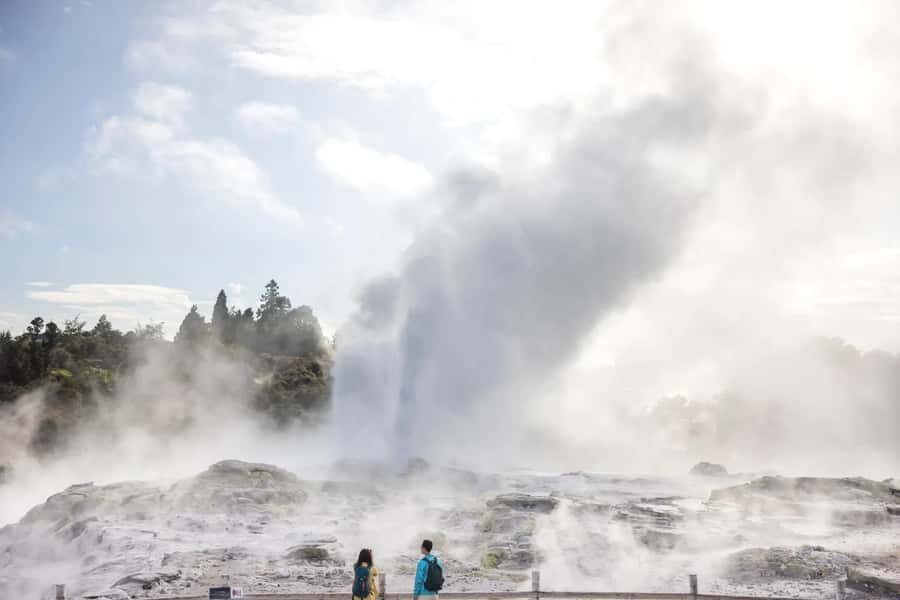
Te Puia is the headliner, and it’s set up so you don’t just wander. You’ll have a guided visit where you see the big geothermal features up close, including the Pōhutu Geyser, plus bubbling mud pools and steaming vents. The tour is designed to make sense of what you’re looking at—how geothermal activity shapes the area and what makes Rotorua famous.
One of my favorite value angles here is that Te Puia isn’t only geysers. You also visit the Kiwi Conservation Centre, so you get a chance to see New Zealand’s national bird in a conservation-focused setting. If you’re thinking, I want Rotorua, but I don’t want only steam and heat, this adds real variety.
Te Puia’s timing matters too. The experience there is guided and lasts about 90 minutes, and you’re asked to arrive early—about 15 minutes before your scheduled time—so your group can settle in smoothly. That’s one of those small instructions that pays off later because it keeps the day from sliding.
A note on pacing: when you stay on rails, the day goes better
This tour is structured so you’re not stuck deciding what to do first in a busy geothermal park. That structure is good for first-timers, especially if you’re thinking about doing Rotorua in a single day.
The tradeoff is that you’ll follow the guide’s flow, not your own. If you like to linger, bring your patience and use the breaks strategically—small stops are built in throughout the day, but the key sights are meant to be experienced, not stretched into hours.
Maori culture at Te Puia: arts, meeting house performance, and haka
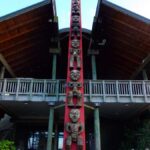
The cultural part of this day is the reason you’ll remember it. At Te Puia you’ll see traditional artistry through a stop at the New Zealand Māori Arts and Crafts Institute, where carvers and weavers keep ancestral traditions going.
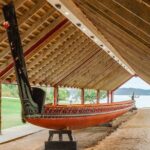
Then comes the performance in the ornately carved Te Aronui a Rua meeting house. Your program includes a pōhiri (welcome), waiata (song), mōteatea (chant), poi dance, and a haka. Arrive about 15 minutes early for this part, because it’s the kind of event where getting settled helps you follow everything happening.
Live guidance can make or break cultural moments
I’ve found that cultural performances land best when the guide can explain what you’re seeing in plain language. In this program, the guide experience can vary by day.
For example, one ENZOY Tours guide named MANAKI has been praised for respectful, detailed explanations with humor, which makes the performances feel more connected rather than just watched. On another day, a guide named Sid has been described as using prerecorded audio for history and points of interest and staying a bit behind during the Blue Springs stop—so if you like interaction, don’t be shy about asking questions during Te Puia.
Either way, you’re in the right place for a concentrated slice of Māori performance, not a quick photo stop dressed up as culture. If you care about understanding what the haka and chants mean, this itinerary gives you enough time to do that.



Whakarewarewa Redwood Forest: a free walk with big photo potential
After Te Puia, you’ll get a Rotorua highlights drive, with a quick photo stop in the Redwood Forest area. The walk portion is free and designed to be simple: you’ll stroll among tall trees with a peaceful trail feel.
Redwoods here aren’t just “pretty trees.” They’re a change of pace from steam vents and meeting-house sound. You get cooler air, softer footing, and the chance to refocus on nature after a morning of sensory overload.
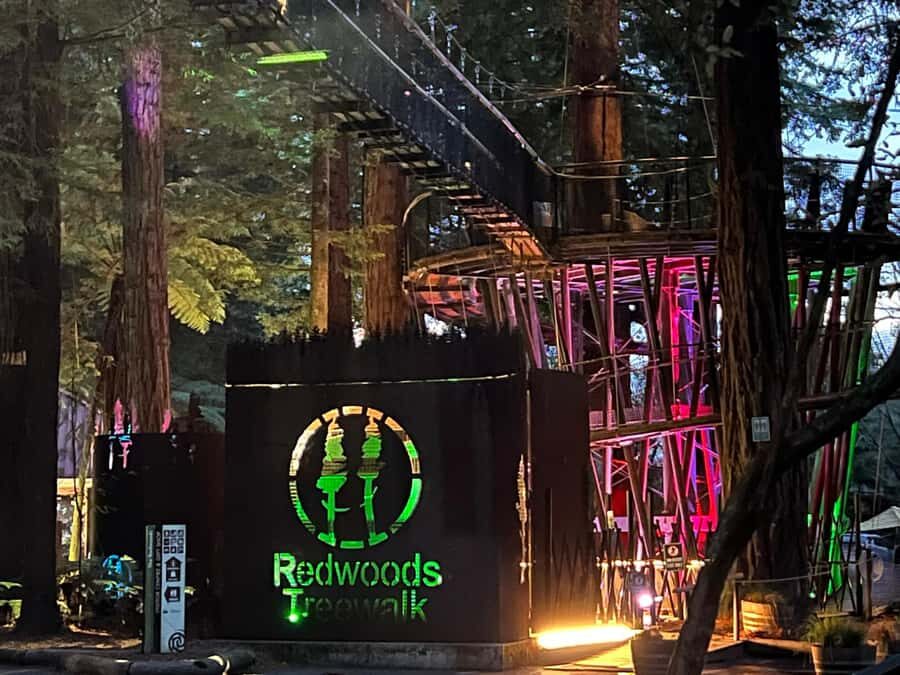
One review detail that’s worth noting: a treetop skywalk option is sometimes available at Redwood Forest, and that kind of elevated viewpoint tends to be the highlight shot for many people. If it’s open when you arrive, it’s the easiest way to turn a short walk into a memorable visual moment.
Practical tip for the redwoods stop
Wear shoes you’re comfortable walking in, even if you think it’s just a photo break. Forest trails can be uneven, and you’ll want to move at a steady pace so you’re back on time for the next hop.
Putāruru Blue Spring (Te Waihou Walkway): turquoise water that stays cold
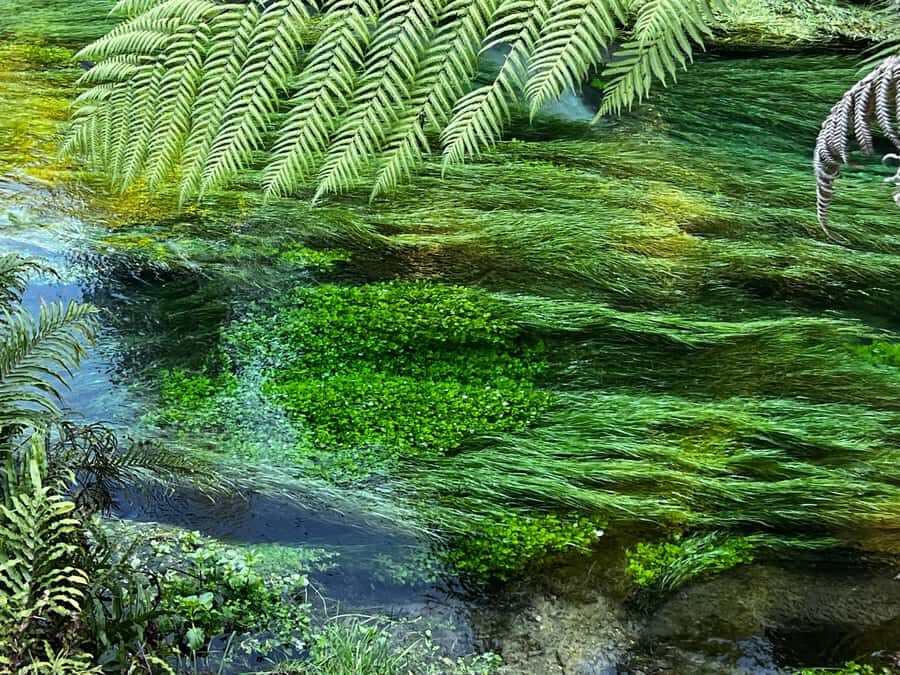
This is your calm payoff. The stop is at Putāruru Blue Spring, known as Te Waihou Walkway, famous for crystal-clear turquoise water. The reason it looks so striking is built into the geology: the water is filtered for up to 100 years through underground rock.
Another practical detail that helps you enjoy it: the spring stays at around 11°C year-round. That means it doesn’t matter if your day feels hot from the drive—this is a cool, shaded-feeling area where you can slow down for photos and a gentle walk along the Waihou River.
The walkthrough is a short stroll, with bush, farmland, and wetlands showing up in the scenery. You’ll want your camera for this one, but it’s also the kind of stop where you can just stand and watch. It’s not about rushing; it’s about letting the day reset.
The one caution: don’t assume it’s a guided stroll
This stop can be more self-paced than Te Puia. On at least one run, a guide has been reported to stay with the bus while participants explored the spring area. So if you want extra explanation here, plan on using the signage on-site and enjoy it as a break from the spoken program.
Price and value: is $226 per person a fair deal?
At $226 per person for a 12-hour day, you’re paying for three things at once: long-distance transport, paid entry time at Te Puia, and a cultural performance + guided geothermal visit.
If you tried to DIY it, you’d still spend time and money getting from Auckland to Rotorua, then figuring out the right order (and booking) for Te Puia, the Kiwi Centre, and a Māori cultural program. This tour packages it into one bus schedule. That’s the core value: you’re buying convenience plus interpretation.
What’s not included is also important. Coffee and lunch are your responsibility, and you’ll likely want to plan for that cost before you go. The itinerary also includes time where you’ll want water and a hat, especially because you’re outdoors during the redwood walk and while waiting for the Blue Spring stop.
When the price feels especially worth it
This is a strong value if you:
- Want a full Rotorua highlights day without planning logistics.
- Care about the Kiwi Conservation Centre plus Māori performance, not only geysers.
- Prefer a guide to connect the dots at Te Puia so you don’t feel lost.
When you might question the value
It may feel pricey if you’re the kind of traveler who wants total freedom to linger. The day is tight by design, and most of the time is built around set experiences rather than flexible wander.
Logistics that matter: lunch timing, what to bring, and comfort
Lunch isn’t included. You’re encouraged to eat at Te Puia’s café or restaurant at your own expense. That matters because your best chance for a decent meal is when you’re already at Te Puia, not when you’re on the road later in the day.
Bring practical stuff:
- Comfortable shoes for the geothermal areas and the forest walk
- Water (you’ll be outdoors)
- Hat and sunscreen
- A camera (Blue Spring and Redwoods are photo-friendly)
- Weather-appropriate clothing, because mornings can feel different from midday
Also, no smoking is allowed.
A quick note on health needs and mobility
There’s a contradiction you should pay attention to. Wheelchair access is mentioned, but the tour also lists it as not suitable for wheelchair users, plus it flags people with back problems. If mobility or pain is a factor, confirm details before you book so you don’t get surprised by steps, walking distances, or the pace of the geothermal experience.
Who this tour suits best (and who should think twice)
This tour fits travelers who want a packed Rotorua day without doing research while jet-lagged, tired, or short on time. It’s also ideal if you like a guided structure but still want a nature reset at Redwood Forest and Blue Spring.
It’s less ideal if:
- You need long, unscheduled breaks.
- You’re sensitive to early mornings.
- You have back issues or mobility needs that require slower movement and lots of flexibility.
If you’re visiting New Zealand and Rotorua is a single-day stop, this itinerary gives you the big, memorable pillars: geothermal wonders, Kiwi conservation, Māori performance, redwoods, and Blue Spring—all in one sweep.
Should you book this Rotorua day trip from Auckland?
I’d book this if you want the most “Rotorua in one day” you can get, with the heavy lifting handled—transport, entry time, and guided storytelling at Te Puia. The inclusion of the Māori performance and Kiwi Conservation Centre makes it more than a quick geothermal hit.
I’d hesitate if you strongly prefer independent travel, don’t do well with early starts, or you need a very tailored pace for your body. In that case, it’s better to confirm mobility details and ask how the guide format works during stops beyond Te Puia.
Overall, for the price, you’re paying for a well-assembled route that mixes science, culture, and scenery without sending you home with only photos of steam.
FAQ
What time are pickups in Auckland?
Pickup is listed as roughly 5:45–6:00 AM for Auckland CBD hotels and 6:15–6:30 AM for Auckland Airport Hotels.
How long is the full trip?
The duration is about 12 hours, with return to Auckland around 6:00 PM.
What do I get included in the tour price?
You get hotel pickup and drop-off, round-trip bus transportation, a visit to Te Puia Rotorua Geothermal Park, a Māori cultural performance, a guided Te Puia geothermal park tour, and a visit to the Kiwi Conservation Centre.
What isn’t included?
Coffee and lunch are not included, along with personal expenses.
Is lunch available during the day?
Lunch is available at Te Puia’s café or restaurant, but you pay for it yourself.
What should I bring for the day?
Bring comfortable shoes, a hat, sunscreen, water, a camera, and weather-appropriate clothing.
Are there any rules during the tour?
Smoking is not allowed.
Do I need to arrive early?
Yes. You should arrive about 15 minutes before your scheduled time so you can get settled for the guided experiences.
How much guidance is there at Te Puia?
Te Puia experiences are guided and last about 90 minutes.
Can I cancel or pay later?
Free cancellation is listed up to 24 hours in advance for a full refund, and reserve now & pay later is offered so you don’t pay immediately.