REVIEW · AUCKLAND
Auckland (Tawharanui): Wild Kiwi Bird Spotting Encounter
Book on GetYourGuide →Operated by Social Nature Movement · Bookable on GetYourGuide
Kiwi sightings happen fast or not at all. At Tāwharanui Regional Park, I like how brown kiwi tracking turns the night into an active, respectful hunt, and I like that dark-sky stargazing is built in. One thing to plan for up front: kiwi time is slow, and a sighting is never guaranteed on every walk.
This is a short drive north of Auckland, then straight into a conservation sanctuary that protects native wildlife and restores indigenous forest. You’ll be far from city lights, with ocean nearby, so the night sky really shows itself once full darkness hits.
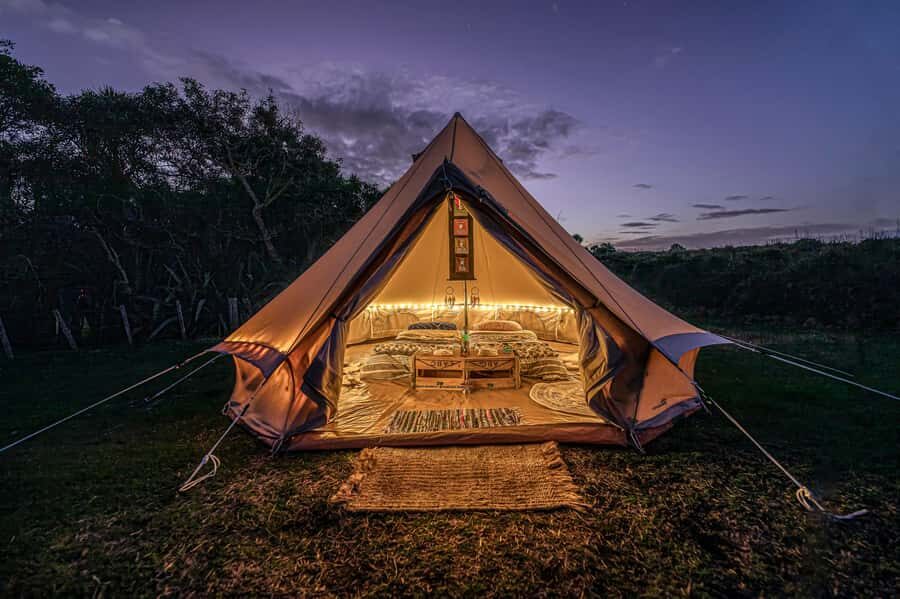
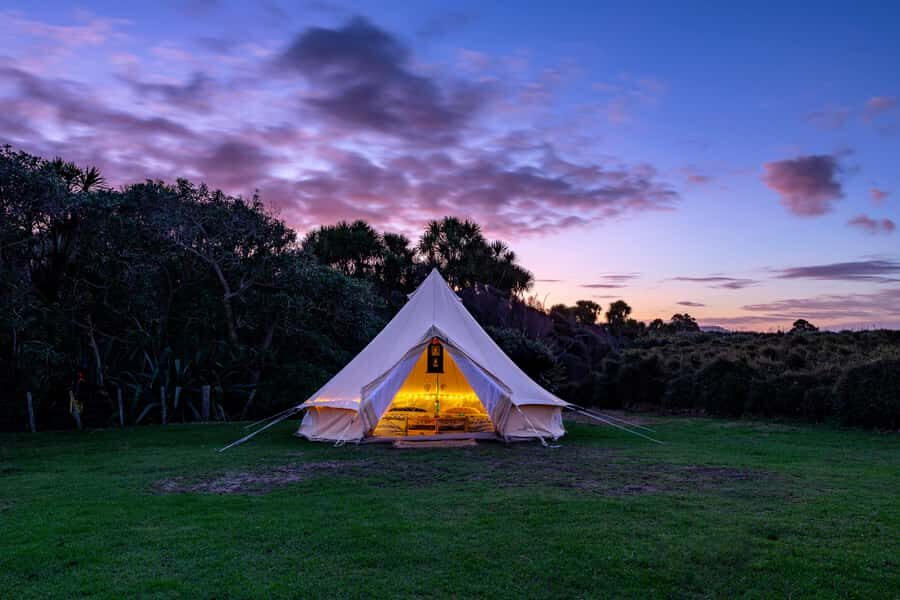
You pay $89 per person for about 2 hours on-site, with English guides and the option to add transport. If you choose the overnight option, there’s also a glamping stay, which some people found to be a comfy bonus on a chilly night.
In This Review
- Key moments you’ll remember
- Tāwharanui Regional Park at night: why this place feels special
- Where the evening starts: Takatu Road and a low-stress briefing
- The guided kiwi walk: listening for calls and reading the ground
- When you do find kiwi: what respectful viewing should feel like
- Stargazing after dark: stars, planets, and Māori sky stories
- Bioluminescence along the shoreline: the night extra that can happen
- Price and value: what $89 buys you in the real world
- What to pack for a kiwi night in Tawharanui
- Timeline made practical: how the stops fit together
- Who should book this kiwi and sky combo, and who should reconsider
- Book it or skip it: my decision guide
- FAQ
- How long is the experience?
- Where do I meet the guide?
- Is kiwi spotting guaranteed?
- Do I get to stargaze as well?
- What equipment is included?
- Can I see planets or the moon through a telescope?
- Is bioluminescence part of every tour?
- What should I bring?
- Do you offer transport from Auckland?
- Is there an overnight glamping option?
Key moments you’ll remember
- Quiet, guided kiwi tracking using listening for calls and watching for movement and signs
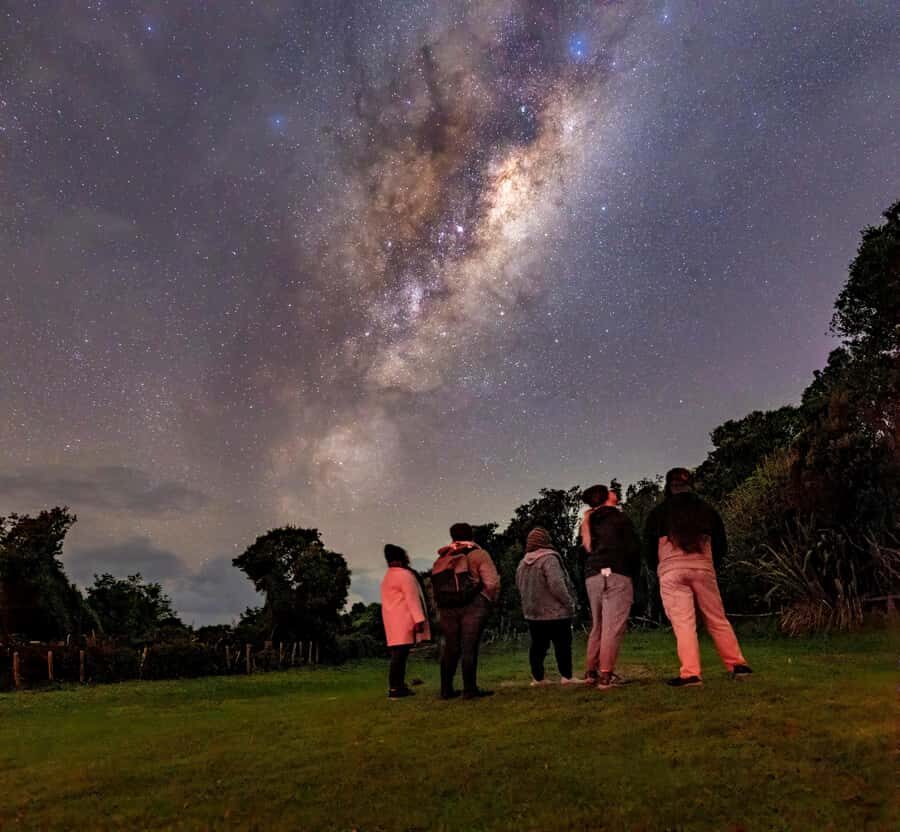
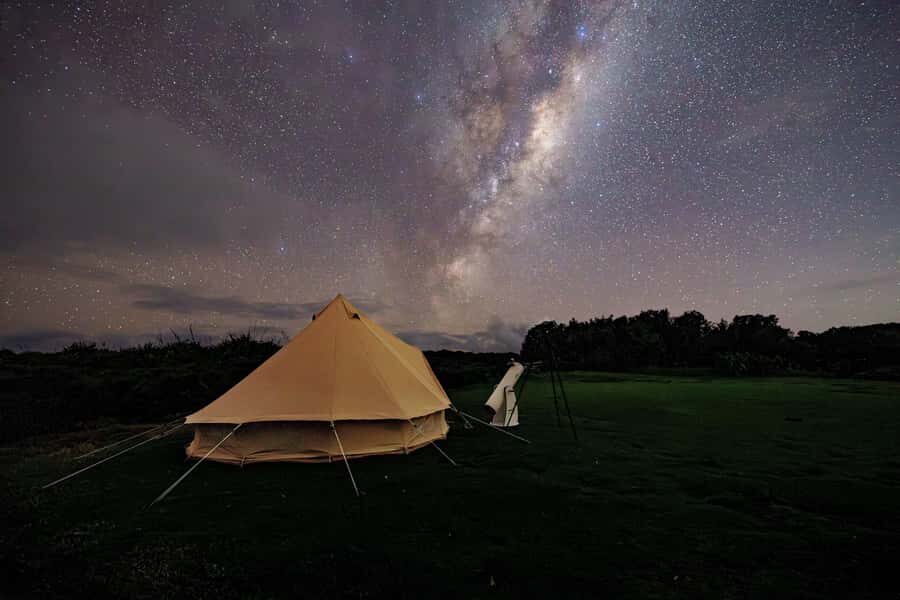
- A real dark-sky coastal setting where stars and planets become a highlight, not an afterthought
- Stargazing tools and star interpretation such as telescopes and guides explaining Southern Hemisphere skies
- Respectful viewing in native bush and open habitats where kiwi actually live
- Bioluminescence if conditions allow along the shoreline, never guaranteed
- Optional glamping comfort with set-up done for you in the overnight version
Tāwharanui Regional Park at night: why this place feels special
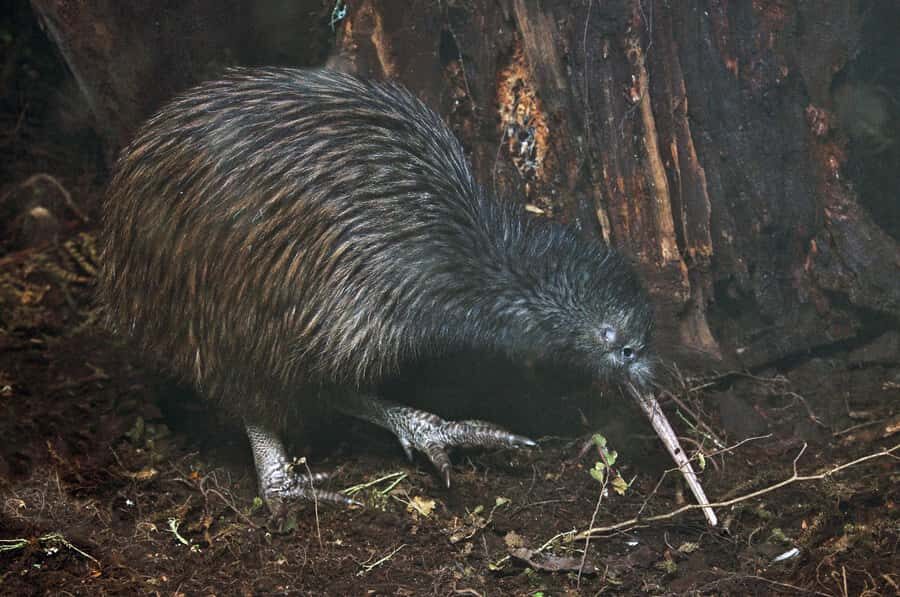
Tāwharanui Regional Park sits on Auckland’s North Island coast and is managed as a wildlife stronghold. The park does three things at once that matter for this experience: it protects native animals, helps restore indigenous forests, and preserves a rare dark-sky environment.
That dark-sky piece is not marketing fluff. When you’re away from city glow and near the ocean, the sky goes from background to subject. You’ll often start under fading light and then move into a truly night-time world where calls, rustling, and timing matter as much as eyesight.
And then there’s the kiwi factor. North Island brown kiwi are endemic and nocturnal, which means your best chance isn’t midday roaming. It’s a guided night push through native bush and open habitats while your guide reads the signs of kiwi activity.
You can also read our reviews of more tours and experiences in Auckland.

Where the evening starts: Takatu Road and a low-stress briefing
You meet near the public bathrooms at the end of Takatu Road inside Tāwharanui Regional Park. This is a good setup because it keeps the group focused on the reserve instead of spending the night in traffic.
Right after you gather, the guide lays out what the night will look like. Expect safety basics, plus a plain-language briefing on the park’s ecosystems and the kiwi behaviors you’re most likely to notice. This early context helps you avoid the classic mistake of staring at the dark with zero idea what you’re looking for.
Group style is private or small-group. In practice, that means fewer people spreading sound and light around, and it usually makes it easier to hear subtle calls. You’ll also travel in a slower rhythm, which is key when your main goal is animal behavior, not speed.
The guided kiwi walk: listening for calls and reading the ground
Kiwi spotting here is built around patience and technique, not luck alone. Your guide moves slowly and deliberately through the mix of native bush and open areas, helping you identify kiwi activity by small cues.
What that looks like in real terms:
- you listen for kiwi calls and notice timing patterns
- you watch for movement that’s quick and low to the ground
- you learn to spot subtle signs of kiwi using the habitat
In the reviews, this patience piece is the one repeated theme. Some nights you only catch a short glimpse; other nights the guide seems to stack sightings back-to-back. Either way, the experience is designed so you’re actively participating in the search, not just getting passed along by a driver with binoculars.
You’ll also have equipment for the night work. People mention being given torches and headlamps, and at least one guide used a thermal device to help find kiwi. Even if the thermal tool isn’t used every night, the takeaway is the same: your guide is bringing real tools and real methods to the search.
Guides who have led this kind of night include names like Chris, Millie, Legend, Sean, Lucas, Ryan, and Hayley. Different personalities, same core approach: keep it quiet, keep it respectful, and let the birds do the timing.
When you do find kiwi: what respectful viewing should feel like
When kiwi come into view, the best moments are usually not dramatic leaps. They’re calm, close-to-the-ground behaviors that reward attention.
The standout feature in the feedback is how well guides set the tone. People describe the viewing as respectful and impactful, with time to actually look, not just point and rush away. It’s also common for groups to see multiple kiwi in one night. Reviews include totals like 6, 7, 8, 9, and even more than 10 on lucky evenings.
A useful reality check: you might see one bird clearly while another appears only briefly. That’s normal. Kiwi are small, flightless, and adapted to hiding, so the goal becomes watching the habitat and the process, not forcing a photo.
If you’re bringing kids, this part matters even more. Several families say a child’s excitement is tied to learning what kiwi do after they’re found. Your guide’s job is to turn the wildlife into a story you can understand on the spot.
Stargazing after dark: stars, planets, and Māori sky stories
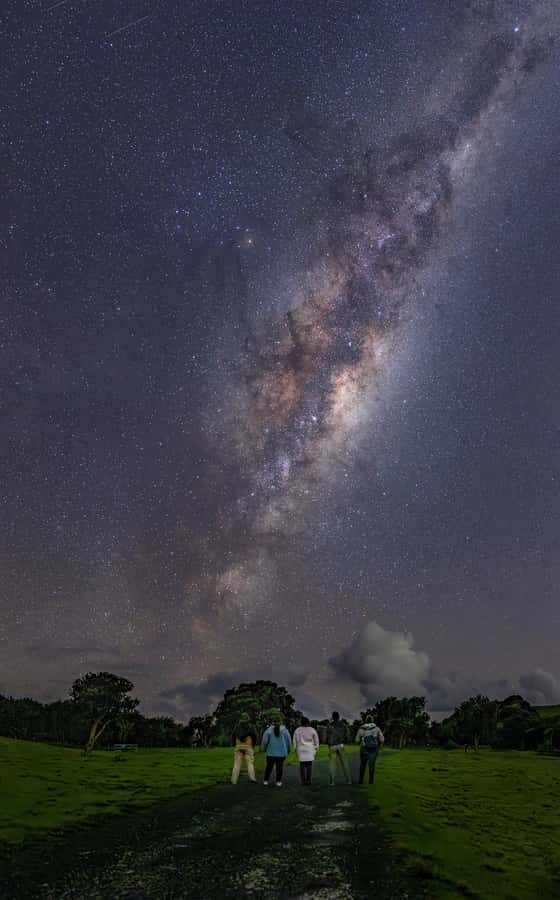
Once full darkness arrives, the sky is a major part of the experience at Tāwharanui. Because the park is set up to limit light pollution, you’re in a position where stars look sharp and abundant rather than washed out.
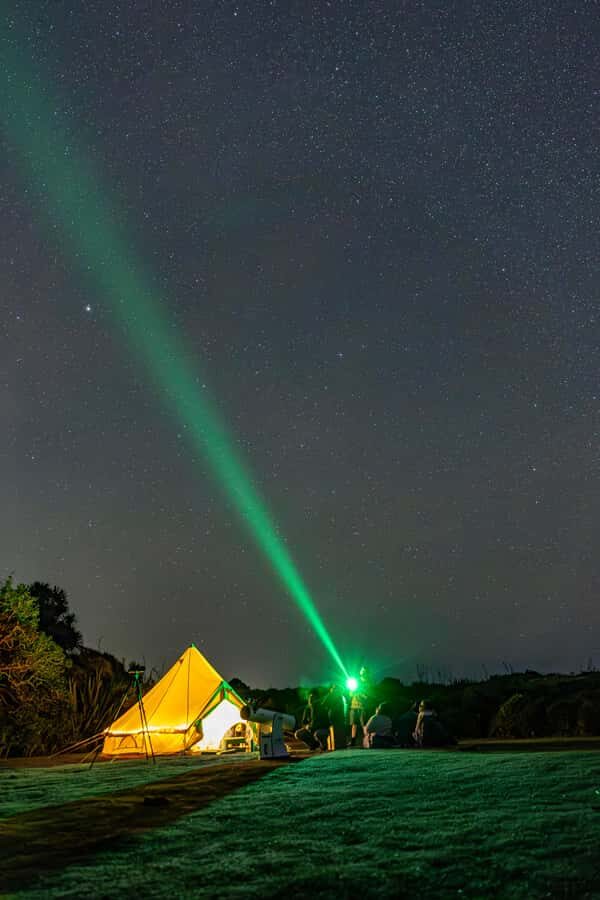
Your guide will interpret what you’re seeing and connect it to navigation and Southern Hemisphere constellations. That’s the part that often turns stargazing from pretty to memorable. It becomes a guided night class you can actually enjoy while you’re warm under the night air.
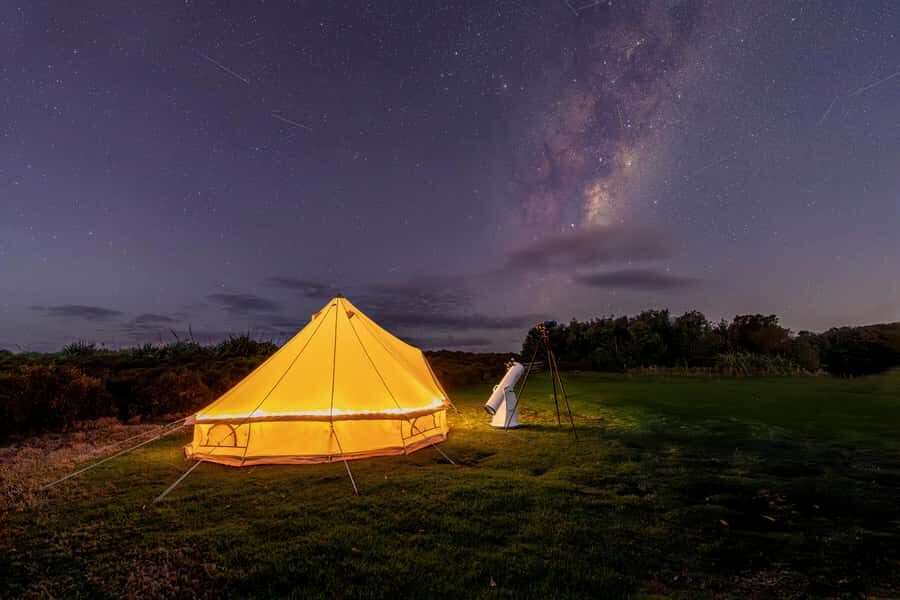
Tools matter here, too. People mention telescopes and binoculars being part of the setup. On clearer nights, reviews include sightings like Venus, Jupiter, and Saturn, and at least one person noted viewing the moon’s craters through the telescope. On a cloudy night, you may get less sky time and more kiwi time instead, which is totally reasonable when the whole experience is guided.
Some guides also bring in Māori stories and meanings tied to the constellations. If you enjoy culture that’s tied to place, this is the best way to make the sky feel like it belongs to New Zealand rather than something you saw elsewhere.




Bioluminescence along the shoreline: the night extra that can happen
Tāwharanui has a coastal setting, and on certain encounters you may also see bioluminescence along the shoreline or in shallow water. The key word is may. It’s never guaranteed, and it only lights up when conditions are right.
When it does happen, the effect is described as soft electric-blue glow triggered by gentle movement in the sand or water. That matters for your expectations: you’re not trying to manufacture it, and you’re not chasing it with flashlights.
Instead, treat it like a rare bonus if the night offers it. Your guide can explain the science behind glowing oceans and the microscopic organisms responsible, which turns it into an extra layer of learning while you’re already in the night mindset for kiwi.
Price and value: what $89 buys you in the real world
$89 per person for about 2 hours sounds simple until you break down what’s included. You’re paying for a live guide, kiwi-spotting and stargazing equipment, and the chance to be somewhere you can’t easily replicate on your own.
Why that matters:
- You get guided technique for finding a nocturnal bird that hides well
- You get the dark-sky setting interpreted in a way that makes it easier to enjoy
- You get equipment like telescopes, binoculars, torches/headlamps, and sometimes thermal tools
- You often get more than one type of win in a single outing: wildlife plus sky
In the reviews, the guide quality is the value multiplier. People praise how guides keep the night fun and light while still getting results. There’s also mention of guides sharing stories and answering questions in a way that makes the whole night feel cohesive, not random.
If you add transport at checkout, some guests mention Auckland pickup and say it was comfortable and convenient. That can make this a very easy Auckland activity, even if you don’t rent a car.
For the overnight option, the value changes shape. Glamping isn’t just a place to sleep. One guest described having the tent set up before the tour, with a setup that included blankets, foam mattresses, and small snacks. If you’re doing this as a trip highlight rather than a quick stop, the overnight version can be a solid way to justify the extra cost.
What to pack for a kiwi night in Tawharanui
The park is coastal and you’re out at night, so you should pack for cold first, and for comfort second. Your best-supported essentials are:
- comfortable shoes
- warm clothing
- water
Even if the evening feels mild when you arrive, temperatures tend to drop once you’re walking in the dark. You’ll appreciate layers you can keep on without fuss. Headlamps and torches are provided through the guide setup, but you’ll still want to be comfortable moving quietly in uneven ground.
Also, if you’re into photography, bring a plan that doesn’t mean bright beams. The whole point is respectful viewing, so let the guide manage lighting. Your job is to watch, not to flood the scene.
Timeline made practical: how the stops fit together
Here’s how the night typically flows in a way you can visualize:
- You meet at the public bathrooms near the end of Takatu Road, then gather with your guide for a short intro.
- You spend the main chunk of the time out in the reserve on a guided kiwi walk, moving through native bush and open habitats.
- You also get a bit of scenic viewing along the way, which helps break up the night so it doesn’t feel like one long dark search.
- If you choose the glamping stay, the night continues beyond the walking portion.
- At the end, you return calmly to the car park area and wrap up with your guide and group.
A small but important note: some reviews say stargazing can shift if weather is cloudy. In other words, don’t schedule the rest of your night as if you’re guaranteed a clear-sky show. The experience is designed to keep you busy and moving with the kiwi focus if the sky doesn’t cooperate.
Who should book this kiwi and sky combo, and who should reconsider
You’ll probably love this if:
- you want wildlife that’s hard to see on your own
- you enjoy nature guides who explain behavior, not just names
- you like astronomy when it comes with context, tools, and a local story angle
- you can handle slow moments without getting frustrated
It may be less ideal if:
- you’re expecting a guaranteed kiwi sighting the moment you arrive
- you dislike cold night walks and quiet waiting
- you only want stargazing and nothing else, since cloud cover can reduce sky time
Families can do well here. A child-friendly vibe shows up in multiple accounts, with younger kids excited by seeing kiwi in the wild and learning what’s happening in the dark.
Book it or skip it: my decision guide
Book this if you want a night with real nature odds stacked in your favor. The biggest reason is the combination: kiwi spotting on foot plus dark-sky stargazing in one guided session, with tools and interpretation that make the experience easier to enjoy.
Skip it only if your whole plan depends on seeing kiwi instantly or you’re not comfortable dressing for a cold, quiet, slow-paced walk at night. If patience is your thing and you’d enjoy learning how New Zealand’s nocturnal world works, this is a strong Auckland-area standout.
FAQ
How long is the experience?
It’s listed as a 2-hour experience. The evening includes time in the park plus a bit of scenic time, and stargazing happens after dusk.
Where do I meet the guide?
Meet near the public bathrooms at the end of Takatu Road in Tāwharanui Regional Park.
Is kiwi spotting guaranteed?
No. The night is designed for guided searching, and sightings depend on conditions. Expect that the process takes patience.
Do I get to stargaze as well?
Yes. The experience includes stargazing with equipment and guide interpretation. If weather is cloudy, the schedule may lean more toward kiwi spotting.
What equipment is included?
You get kiwi-spotting and stargazing equipment, plus guides may use tools like torches/headlamps, and sometimes thermal assistance depending on the night.
Can I see planets or the moon through a telescope?
The tour can include telescope viewing. Reviews mention seeing planets such as Venus, Jupiter, and Saturn, and viewing moon details like craters when conditions allowed.
Is bioluminescence part of every tour?
No. Bioluminescence along the shoreline may happen on certain nights when conditions are right, and it is never guaranteed.
What should I bring?
Bring comfortable shoes, warm clothing, and water.
Do you offer transport from Auckland?
Transport is not included by default, but it can be added at checkout. Some guests mention pickup from Auckland when this add-on is chosen.
Is there an overnight glamping option?
Yes. A glamping stay is included if you select the overnight option.