REVIEW · AUCKLAND
Auckland: Maritime Museum Entry Ticket
Book on GetYourGuide →Operated by New Zealand Maritime Museum · Bookable on GetYourGuide
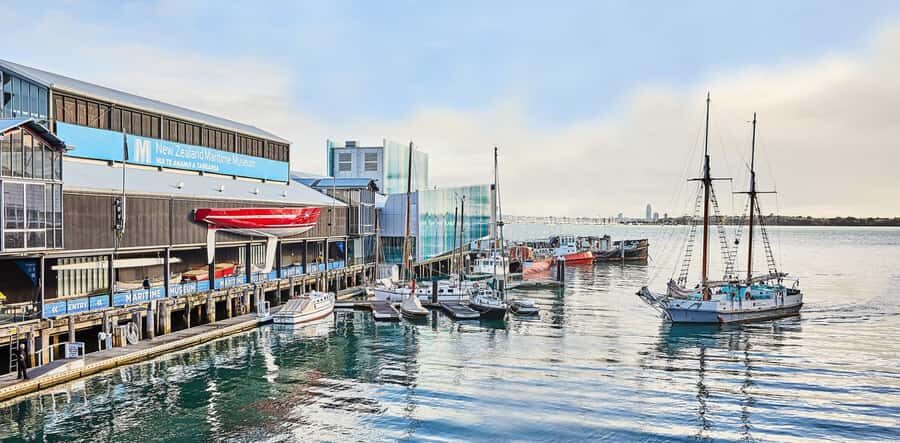
Auckland’s waterfront has a smart reason to stop. The New Zealand Maritime Museum turns ocean history into walk-through galleries, hands-on moments, and thoughtful displays about how people here have lived with the sea. It’s in a great location on the Auckland Viaduct Harbour, so you can pair it with an easy day around the water.
I especially like how the museum connects New Zealand’s ocean relationship to real stories and objects, not just dates. I also love the mix of themes, from Pacific migrations and shipping to modern design topics like America’s Cup yacht thinking. One possible drawback: if you only have a short attention span for indoor exhibits, you’ll want to plan your time tightly, because the museum’s full value shows when you slow down and read.
In This Review
- Key highlights to look for
- Why the Maritime Museum fits an Auckland day
- Your practical 1–3 hour visit flow
- Timing tip
- Pacific migrations and the sea’s human story
- Maori traditions alongside Western shipping
- America’s Cup design: where engineering meets culture
- Family-friendly hands-on moments (and why they work)
- Location at the Viaduct Harbour and a smart timing strategy
- Price and value: is $14 worth it?
- Tickets, timing, and the small logistics that matter
- Who should book this ticket (and who might skip)
- Should you book the Maritime Museum ticket?
- FAQ
- How much is the Auckland Maritime Museum entry ticket?
- How long should I plan to spend at the museum?
- Where do I meet for the ticket entry?
- What time is the museum open?
- Do I need to show a voucher?
- Is the museum wheelchair accessible?
- What ID do I need to bring?
- Are children allowed to attend without an adult?
Key highlights to look for
- Auckland Viaduct Harbour location: convenient for a half- or full-day waterfront plan
- Pacific migrations and sea-linked change: see how movement, trade, and innovation connect
- America’s Cup yacht design: modern engineering meets maritime culture
- Hands-on displays and interactive stories: better for families and curious adults
- A major heritage collection: a serious museum feel without being stuffy
- Great timing when sailing events hit: the area can be exciting during events like ITM New Zealand Sail Grand Prix
Why the Maritime Museum fits an Auckland day

If you’re in Auckland and you want something that feels distinctly local, this ticket is a solid pick. The museum is focused on one big idea: New Zealand’s history and identity are closely tied to the ocean. That sounds broad, but the payoff is that you’ll walk away understanding how the sea shaped immigration, trade, technology, and even leisure—across different eras.
The location helps too. Being at the Auckland Viaduct Harbour means you’re not trapped in a far-off museum district. Before or after your visit, you can easily keep the day moving along the waterfront with minimal logistics.
And yes, the museum experience is designed well. One thing I like from firsthand feedback is that visitors often find it beautifully designed, with a layout that makes the exhibits feel more like a guided story than a storage room of artifacts. That matters because you can spend your time reading what you choose, instead of wandering in circles.
You can also read our reviews of more tours and experiences in Auckland



Your practical 1–3 hour visit flow
This is sold as a 1-day ticket, and the recommended time on-site is 1–3 hours. That range is important. If you’re the type who likes to skim, aim for the low end; if you love reading and looking closely, give yourself the full window.
Here’s a simple, effective flow that works well for most people:
Start at the ticket counter and get your bearings. You’ll need to show your voucher there. Once you’re in, begin with the main galleries that set the big theme: how the sea connects New Zealand to the wider Pacific world. This is where you’ll get the context to understand the smaller stories later.
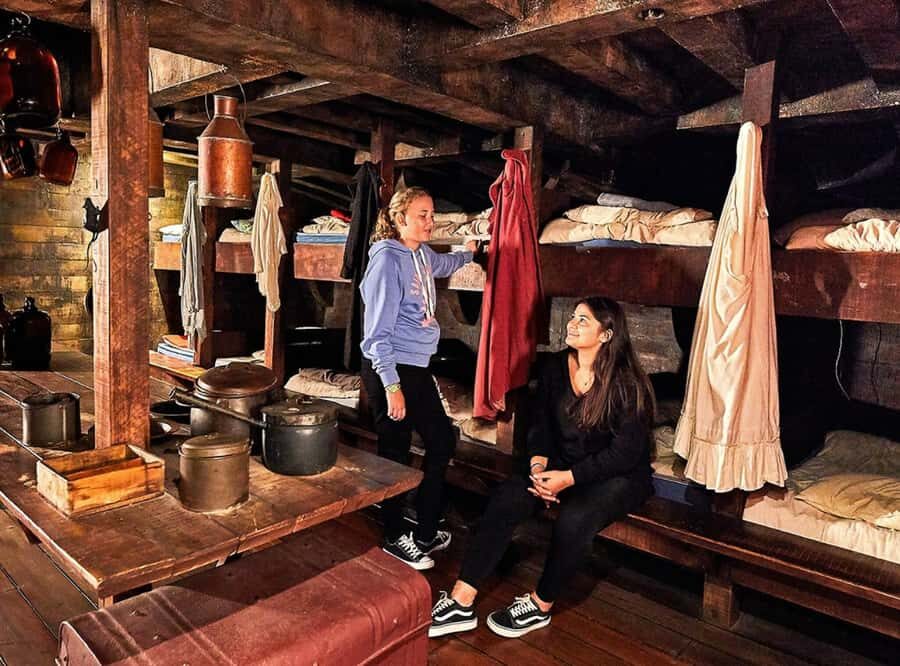
Next, spend time in the hands-on and interactive areas. These sections are where the museum becomes more than text on walls. Even if you don’t consider yourself a hands-on person, interactive displays tend to make the history feel more personal—especially for kids, but also for adults who just want one or two standout moments.
Then look for the special exhibition content and any focused sections tied to modern maritime innovation. Based on the museum’s described themes, you can expect coverage that ranges from traditional ocean-connected life to newer design and racing topics.
Finish by slowing down with artifacts and personal stories. The museum emphasizes artifacts and human-scale storytelling, which is a good way to convert facts into something you remember.
Timing tip
Museums here run 10:00 AM–5:00 PM, with last entry at 4:00 PM. If you want a relaxed experience, plan to arrive with breathing room—especially if you’re also doing waterfront plans.
Pacific migrations and the sea’s human story
One of the strongest parts of this museum is how it frames maritime history through people. The exhibits point to Pacific migrations and how ocean routes shaped where communities went, how they connected, and how New Zealand’s identity was shaped over time.
If you’re visiting from abroad, this angle is especially useful. It helps you connect the idea of “islands in the ocean” to lived reality: travel wasn’t just movement, it was survival, communication, trade, and change.
What I like about this approach is that it doesn’t treat maritime history as only ships and sailors. It’s also about migration, goods, and the everyday consequences of being connected to the sea. You’ll likely find yourself reading longer than you expected, because the museum is set up for story-driven learning.
There’s also a clear focus on how New Zealand’s relationship with the ocean is unique. The museum uses a mix of artifacts and personal stories to make that feel concrete, not abstract.
Maori traditions alongside Western shipping
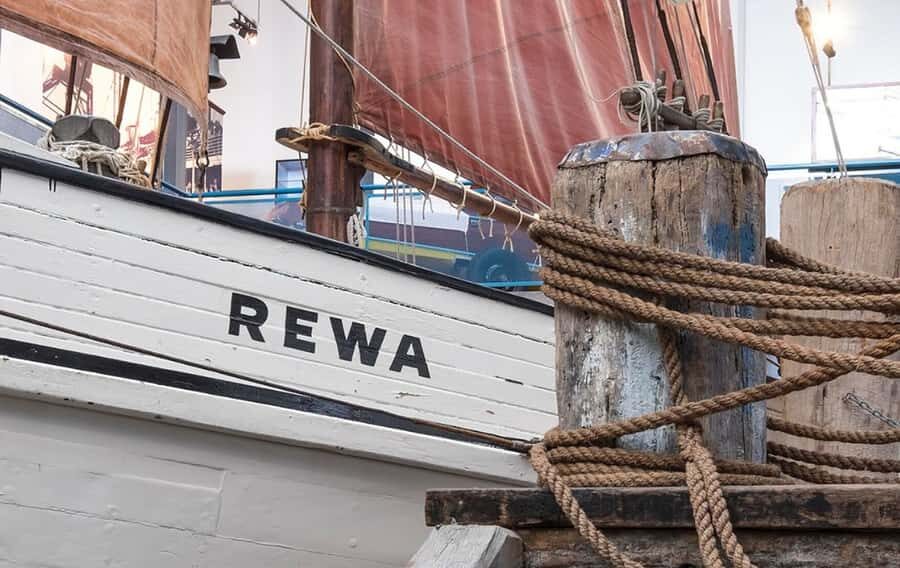
A highlight from visitor feedback is the way the museum offers perspective on Maori traditions alongside Western shipping. That pairing matters because it shows two lenses of maritime meaning: ocean life as tradition and knowledge, and ocean life as industry and transport.
You don’t need to know the terminology to benefit. Even at a basic level, seeing different ways of relating to the sea helps you understand why maritime history in New Zealand is more than a generic “islands sailed by Europeans” story.
I’d treat this as a learning opportunity, not a debate. Look for how exhibits present context—what objects were used for, what routes meant, and how people interpreted the ocean in their own ways. You’ll likely come away with a more balanced mental picture than you’d get from only one perspective.
You can also read our reviews of more museum experiences in Auckland






America’s Cup design: where engineering meets culture
The museum doesn’t stop at the past. It also reaches into modern maritime innovation, including coverage of cutting-edge yacht design in the America’s Cup.
Even if you’re not a sailing person, this is a smart section to include because it answers a practical question: why does design matter so much on the water? When exhibits connect tech choices to real performance and strategy, maritime history feels alive.
This part of the museum is also a good bridge for design enthusiasts. You can think of it as a workshop for ideas—how racing culture pushes innovation, and how that innovation feeds back into broader maritime thinking.
I find this especially valuable for mixed groups. If you’re traveling with someone who likes modern tech, or someone who prefers “what’s current,” this gives them something to latch onto without losing the museum’s main theme.
Family-friendly hands-on moments (and why they work)
If you’re visiting with kids, the museum’s interactive experiences are one of the best reasons to go. When an exhibit is hands-on, it lowers the barrier to learning. Children can connect by doing, not just listening.
Even adults who don’t love museums tend to enjoy interactive stations because they break up reading time. They also help you remember the bigger themes. For example, once you’ve had a tactile moment or a guided interactive experience, the surrounding story text sticks better.
And because the museum covers both traditional and modern maritime topics, families can usually find something that clicks—whether it’s ocean navigation themes, sailing-related design concepts, or human stories connected to migration and trade.
One practical note: museum hours run to 5:00 PM, with last entry at 4:00 PM. If you’re traveling with kids, don’t rely on arriving late and then hoping for a miracle. Build in time for pacing.
Location at the Viaduct Harbour and a smart timing strategy
The museum’s setting at the Auckland Viaduct Harbour is a quiet advantage that can make the day feel more rewarding. It’s not just where you show up; it’s part of the experience.
One specific example from visitor feedback: when events like the ITM New Zealand Sail Grand Prix are underway, being in this area can make things more exciting, since you’re in the same zone where sailing action is happening. You shouldn’t assume every day will have a major race, but it’s worth knowing this area can get lively around sailing.
So here’s how I’d use the location:
- Combine your visit with a waterfront walk before or after, so you’re not planning the whole day around indoor time.
- If you’re staying near the Viaduct, treat the museum as your culture stop, then shift back to the scenery.
- If you’re visiting during known sailing event weeks, plan your museum time as a calm anchor and let the outdoor scene do the rest.
Price and value: is $14 worth it?
At $14 per person, this ticket is priced like a museum experience that’s meant to be accessible. It’s not trying to be a full-day mega attraction. It’s a focused stop that gives you context on New Zealand’s maritime identity.
Here’s the value logic I’d use when deciding:
- If you’re interested in ocean history, maritime technology, design, migration, or shipping stories, you’ll likely feel you got your money’s worth even in a shorter visit window.
- If you’re the type who reads and wants to slow down with artifacts and personal stories, the recommended 1–3 hours makes the experience feel like a proper visit, not a quick peek.
- If you’re only passing through Auckland and want a straightforward indoor option that still feels local, this is the kind of ticket that works because it’s tied to place.
Also, there’s no mention of meals included—so factor that into your day planning. You can still eat nearby before or after, which is often easier at the Viaduct than trying to shoehorn everything into the museum itself.
Tickets, timing, and the small logistics that matter
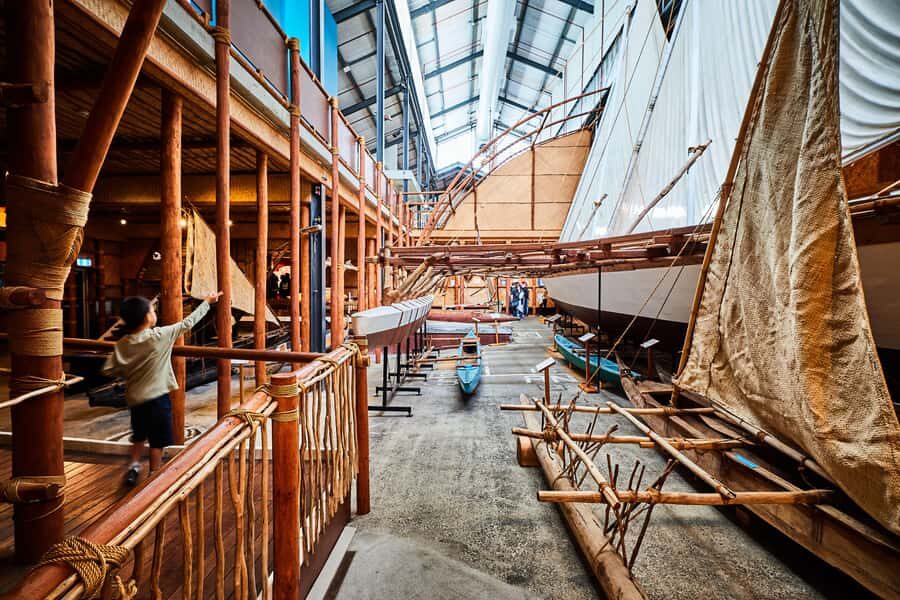
You’ll arrive at the New Zealand Maritime Museum at Auckland Viaduct Harbour, then show your voucher at the ticket counter. After that, it’s a self-paced museum visit in English.
A few practical points from the provided information:
- Museum hours are 10:00 AM–5 PM and last entry is 4:00 PM.
- The museum is open every day except 25th December.
- Your visit is listed as 1 day, with starting times tied to availability, so it’s worth checking what time slot you’re booking.
- The experience includes an English host or greeter and the site is wheelchair accessible.
The museum also asks you to bring passport or an ID card. Comfortable shoes help, because museum time is still time on your feet. A camera is allowed, and a student card may help if you qualify for any relevant student-related policy (the data specifically says to bring one).
Who should book this ticket (and who might skip)
This ticket is a good fit if you:
- Like history that’s tied to real place and real objects
- Want a mix of Maori perspectives and maritime shipping context
- Enjoy design and innovation topics like racing yacht thinking
- Want an easy Auckland plan that pairs well with waterfront time
You might consider skipping or shortening your visit if you:
- Want only outdoor sights and don’t enjoy reading much in museums
- Are trying to fit in a dozen activities and can’t set aside the 1–3 hours to see how the story pieces fit together
For most people, the museum works best when you let it be what it is: a structured, story-led museum focused on sea life and sea-linked change across time.
Should you book the Maritime Museum ticket?
If you’re in Auckland and you want one ticket that teaches you something truly local without heavy planning, I’d book it. The best reason is the museum’s focus: New Zealand’s ocean relationship, presented through artifacts, personal stories, and interactive moments, plus modern threads like America’s Cup design. That combination tends to keep it interesting for both adults and families.
I’d also book it if you like practical cultural stops. You can get in, get oriented fast, and choose how deep to go—then step right back out into the Viaduct Harbour area.
Just don’t overstuff your day. Give yourself enough time to move slowly through the story sections and stop at the interactive parts. If you do, this ticket feels like a smart use of an afternoon rather than a rushed chore.
FAQ
How much is the Auckland Maritime Museum entry ticket?
The ticket price is listed as $14 per person.
How long should I plan to spend at the museum?
The recommended time is 1 to 3 hours.
Where do I meet for the ticket entry?
Arrive at the New Zealand Maritime Museum at Auckland Viaduct Harbour.
What time is the museum open?
The museum hours are 10:00 AM to 5:00 PM, and last entry is at 4:00 PM.
Do I need to show a voucher?
Yes. You must show your voucher at the ticket counter.
Is the museum wheelchair accessible?
Yes, the venue is wheelchair accessible.
What ID do I need to bring?
The information says to bring a passport or an ID card.
Are children allowed to attend without an adult?
No. Unaccompanied minors are not allowed, and all children must be accompanied by a supervising adult at all times.