REVIEW · AUCKLAND
Goat Island Experience Advanced Snorkel Tour
Book on Viator →Operated by Goat Island Dive & Snorkel · Bookable on Viator
Want to snorkel with confidence? This Advanced Snorkel Tour at Goat Island pairs hands-on coaching with time in New Zealand’s first marine reserve, where you might share the water with dolphins or orca. I love that the session starts with technique tips on how to get closer to fish safely, not just a quick gear handoff.
I also like the guide attention in a max 12-person group, with instruction that helps you feel comfortable even if you are not planning long breath-holds underwater (English safety directions matter). One possible drawback: this is not for true first-timers in the ocean—you need prior snorkeling experience and moderate fitness.
In This Review
- Key highlights you’ll care about
- Goat Island Marine Reserve: your underwater classroom
- Advanced skills first: how you get closer without taking stupid risks
- The marine life you’ll actually be trying to spot
- Safety briefing and comfort: why the guide matters as much as the sea
- Gear, time on the water, and how the day flows
- Price and value: why $58.95 can be a smart spend
- Who this is best for (and who should choose another option)
- Should you book this Goat Island Advanced Snorkel Tour?
- FAQ
- How long is the Advanced Snorkel Tour at Goat Island?
- Where does the tour start?
- What’s the minimum age?
- Do I need previous snorkeling experience?
- Is there a group size limit?
- What level of fitness do I need?
- What marine life might I see?
- What happens if the weather is bad?
Key highlights you’ll care about
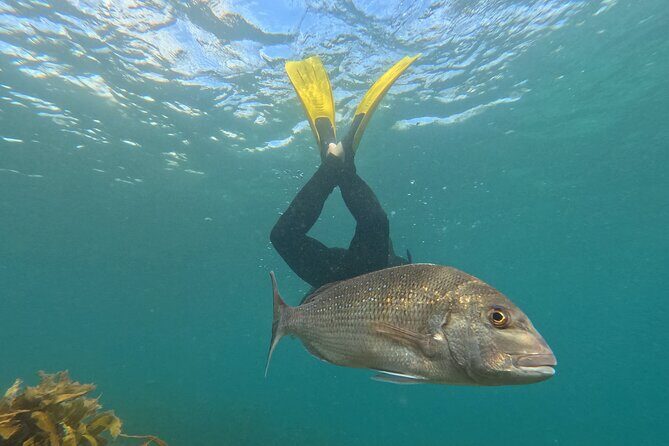
- Advanced technique coaching before you swim: you practice getting lower in the water with a weight belt so you can observe fish more closely
- Small group size: capped at 12, so you’re not getting lost in the crowd
- Goat Island Marine Reserve focus: you’re in protected waters known for lots of fish life
- Target species on the wish list: blue maomao, huge snapper, eagle rays, stingrays, blue cod, octopus, kahawai, crayfish
- Equipment use continues after the tour: you can keep using it for the rest of your day
- Sometimes big visitors show up: dolphins or orca may visit and interact with snorkelers
Goat Island Marine Reserve: your underwater classroom
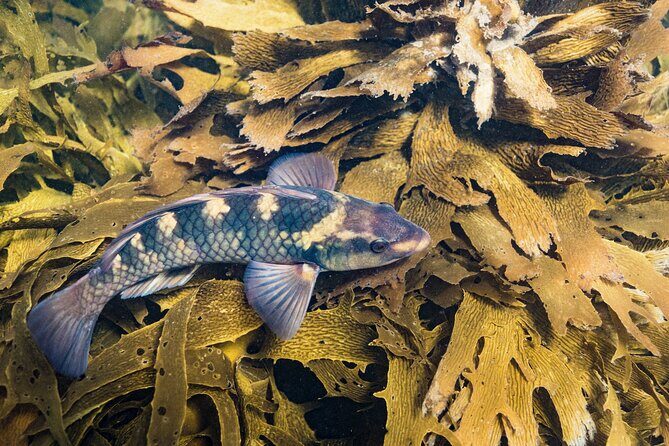
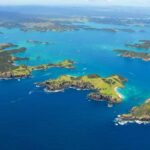
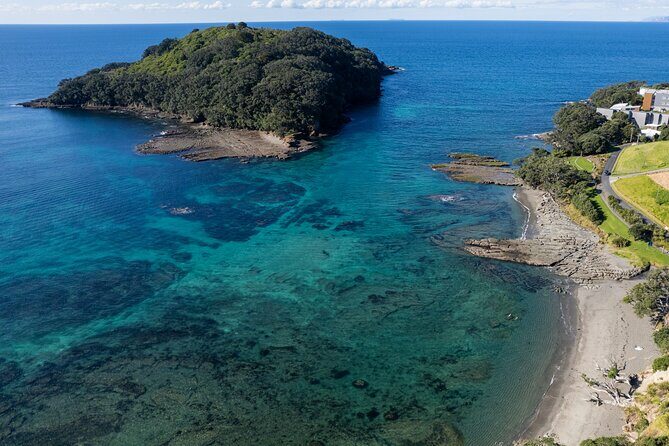
Goat Island Marine Reserve sits off the coast near Leigh, and it’s the kind of place where fish act like they’re at home. The tour includes short context before you jump in, including the history of the Leigh Coast and the Goat Island Marine Reserve, plus the Matheson Bay Rewilding Project. That background helps you understand why this area is protected—and why you should treat it like a living classroom.
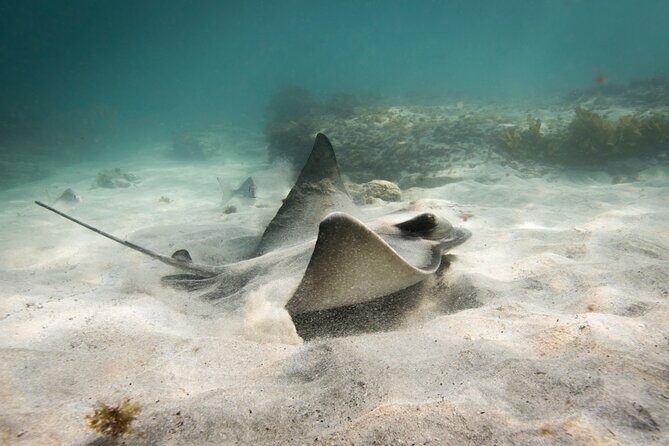
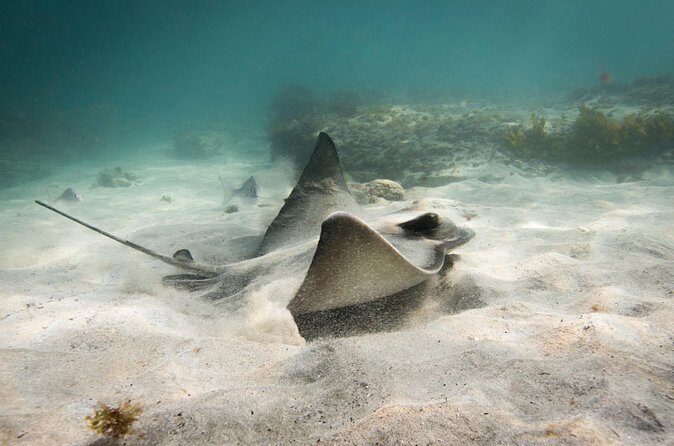
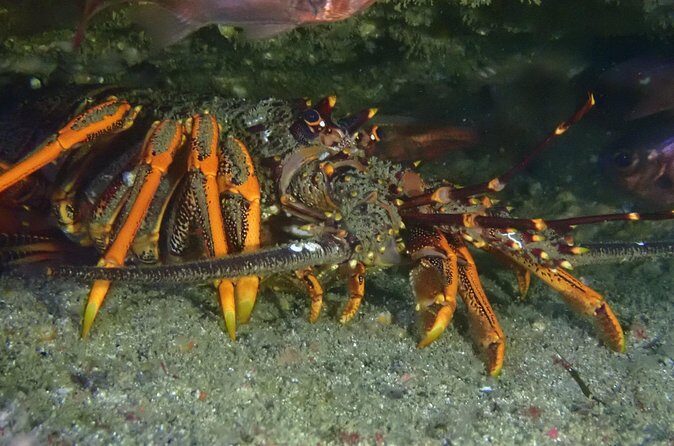
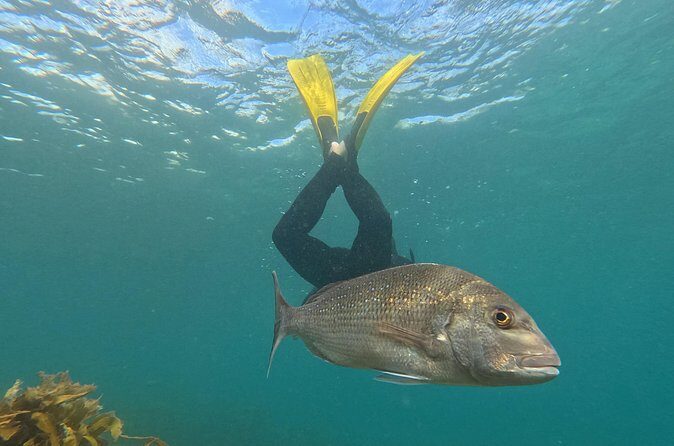
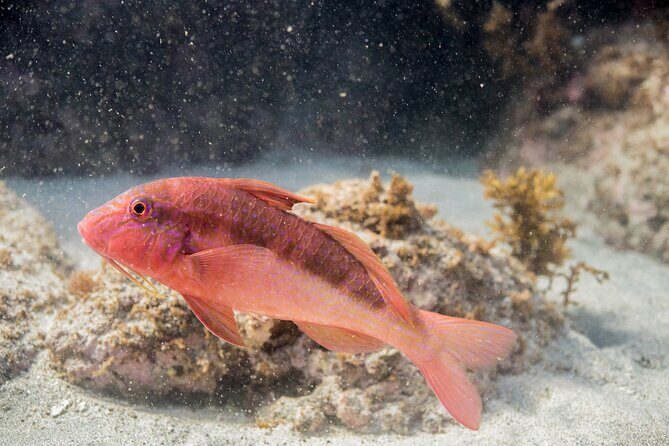
What you’re really paying for is the chance to snorkel in water that functions like a natural aquarium. You’ll be looking for blue maomao, huge snapper, blue cod, kahawai, octopus, and crayfish. It also lists eagle rays and stingrays as common possibilities, which is a good reminder that this is wildlife-first, not a beach-and-bubbles stroll.
Sometimes dolphins or orca visit the reserve, and when they do, they may play with snorkelers. That’s not something you can bank on, but it adds real energy to the day. And it’s exactly why having an instructor with you matters: you want to stay calm, follow safety cues, and enjoy the wildlife without getting in its way.
You can also read our reviews of more tours and experiences in Auckland.

Advanced skills first: how you get closer without taking stupid risks
The tour begins with a refresh on snorkel technique and then adds advanced-group skills. You’ll get coaching aimed at getting a closer look at fish, including how to duck down and how to hold yourself lower in the water more intentionally. The key point is supervision: your guide keeps an eye on safety and comfort the whole time.
Before you head out, you’ll get a thorough safety briefing. That’s not just formality. In protected-water snorkeling, your comfort level underwater directly affects how much you see and how safely you can move. If you’ve snorkeled before but you tend to stay on the surface, the training here is designed to help you change that—without turning it into a stunt show.
You’ll also practice with a weight belt. Wearing it, you’ll practice the kind of controlled ducking down that lets you observe fish at eye level rather than just glancing from above. You don’t need to be an elite athlete for this, but you do need moderate physical fitness and the ability to follow instructions.
There’s another practical bonus here: after the guided portion, you can use the provided equipment for the rest of the day. That means your practice time doesn’t end when the tour ends. Even if the first water session is about learning, you’re still set up to explore more once you’re feeling confident.
The marine life you’ll actually be trying to spot
This tour doesn’t treat marine life like a generic checklist. It points you toward the animals you’re most likely to meet, which helps you snorkel with purpose instead of just floating.
Here’s what you can reasonably expect to encounter in the Goat Island Marine Reserve:
- Blue maomao: often a good early find when conditions are clear
- Huge snapper: one of the bigger “wow” species listed
- Blue cod: another named target you can look for while scanning
- Kahawai: common fish-life in the mix
- Octopus: you might spot them as you slow down and watch for movement
- Crayfish: again, a reason to look along the right areas instead of only straight down
- Eagle rays and stingrays: listed as possible, and they’re exactly the kind of sight you want to see calmly and respectfully
- Sometimes dolphins or orca: not guaranteed, but they’re part of the realistic “maybe” picture
A big advantage of guided snorkeling is that someone can help you read the water. For instance, if you’re new to using your body position to view fish, the guide’s technique cues can help you spend more time looking at animals and less time fighting buoyancy.
And please treat the “advanced” part as observation-focused. This is about seeing more, not showing off. If you feel yourself getting tense, the safest move is to follow your guide’s instructions quickly and get back to a calm, stable rhythm.
Safety briefing and comfort: why the guide matters as much as the sea
You’ll get a full, thorough safety briefing before you enter the water. The tour is built around keeping you safe and comfortable at all times, whatever your experience level is—though do note the requirement that you must have snorkeled in the ocean before.
This matters because advanced technique work changes how you move underwater. When you add controlled ducking down and practice with a weight belt, you’re changing your relationship with the water. You want clear guidance so you do it correctly the first time.
A nice detail from the experience feedback is that instructors set expectations well and make people feel at ease in the water. One guide name that comes through is Skye, described as very attentive and professional, taking time to run through what to expect and helping the group feel comfortable even when it wasn’t about going deep underwater.
Also, the group size cap of 12 is a big deal for real safety. With fewer snorkelers in the water at once, your guide can spot problems faster, adjust the pace, and help you get back on track without rushing you.
Gear, time on the water, and how the day flows
The tour runs about 2 hours 30 minutes (approx.), and the main action takes place at Goat Island Marine Reserve. The flow is straightforward: meet at the Leigh area, get your safety briefing and equipment sorted, practice the advanced technique on land or at the edge, then head out into the reserve.
Timing-wise, this is a half-day style adventure. It’s long enough to teach technique and get meaningful water time, but not so long that you’ll feel glued to a schedule all day. And since you can use the equipment afterward for the remainder of the day, you can stretch your snorkeling time into a real outing rather than a one-and-done activity.
One more practical point: the experience uses a mobile ticket. Confirmation is received at booking. That’s handy when you’re juggling New Zealand logistics and don’t want one more paper thing to keep track of.
And you’ll want to plan for conditions. The tour requires good weather, which is common for ocean snorkeling. If weather is poor, you’ll be offered a different date or a full refund.




Price and value: why $58.95 can be a smart spend
At $58.95 per person, this isn’t the cheapest way to snorkel. But it’s also not paying for just “float and hope” time. You’re paying for:
- Advanced instruction before you enter the water
- Supervision while you practice technique and snorkel in the reserve
- Equipment, plus the fact that you can use it for the rest of your day
That last piece is a value multiplier. If you go on a snorkel tour where gear is only yours during the guided portion, the cost feels heavier. Here, the idea is that you take what you learn and then keep enjoying the water after the instruction ends.
Also, the marine reserve setting matters. Protected areas tend to attract more wildlife and give you a better chance of seeing the named species—snapper, rays, cod, octopus, and so on—without the same level of random traffic you might see outside a reserve.
So the value case is pretty clear: you’re not just buying snorkeling time. You’re buying technique, safety, and a better chance of spotting the animals you came for.
Who this is best for (and who should choose another option)
This advanced tour is built for people who already know how to snorkel in open water. The requirements are explicit:
- Minimum age is 12
- You need moderate physical fitness
- You must be able to understand safety instructions in English
- You must have snorkeled in the ocean before
- The tour has a maximum of 12 travelers
If you’ve snorkeled in the ocean but you tend to keep your head up and never get a good view of fish up close, this can be a great next step. The weight belt practice and ducking-down coaching are designed to help you change your viewing angle and see more.
If you are a brand-new ocean snorkeler, this may feel like too much too fast. Even though the guide is there to keep you comfortable, the tour is still teaching advanced skills and expects you to follow safety direction confidently.
If you’re on the fence, be honest about your comfort with breath control and following instructions. This is about controlled, safe observation. When you’re ready for that, you’ll get a lot out of the experience.
Should you book this Goat Island Advanced Snorkel Tour?
I think you should book it if you:
- have snorkeled in the ocean before and want to see fish more closely
- like the idea of guided technique work, not just free time in the water
- want a small-group experience with named marine life targets
- would actually use the provided equipment for the rest of the day
I’d hesitate if you:
- are truly new to ocean snorkeling
- aren’t comfortable understanding safety instructions in English
- are likely to struggle with moderate physical demands
For the right person, this is a smart way to turn Goat Island into more than a quick swim. You learn how to look better, you get time in a protected reserve, and you’re set up to keep exploring afterward.
FAQ
How long is the Advanced Snorkel Tour at Goat Island?
It’s listed as approximately 2 hours 30 minutes.
Where does the tour start?
The meeting point is 142A Pakiri Road, Leigh 0985, New Zealand.
What’s the minimum age?
The minimum age is 12 years.
Do I need previous snorkeling experience?
Yes. You must have snorkeled in the ocean before.
Is there a group size limit?
Yes. The maximum group size is 12 travelers.
What level of fitness do I need?
The tour requests travelers with moderate physical fitness.
What marine life might I see?
The experience lists blue maomao, huge snapper, eagle rays and stingrays, blue cod, octopus, kahawai, and crayfish. Dolphins or orca may also visit sometimes.
What happens if the weather is bad?
The tour requires good weather. If it’s canceled due to poor weather, you’ll be offered a different date or a full refund.