REVIEW · AUCKLAND
Guided Tour at Pukorokoro Shorebird Centre
Book on Viator →Operated by Pukorokoro Miranda Shorebird Centre · Bookable on Viator
Bird spotting gets real at Pukorokoro. I especially love the telescope time and the way the guide helps you make sense of what you’re seeing. You’ll also get clear migration context for birds like the kuaka. The main drawback: it’s a walking tour, so it’s not recommended if you have very limited mobility.
This is a guided walk focused on the Shorebird Coast ecosystem—an estuary that can look calm, then suddenly goes full wildlife show. I like that you’re not left staring at vague shapes; you’re taught what to look for as you move to bird hides. Guides such as Trudy and Chelsea are patient with questions and keep the pace relaxed.
Because the birds show up with the tide, the experience depends on timing and conditions. I’d plan for good weather and bring what you need for outdoor standing/walking.
In This Review
- Key highlights you’ll actually notice
- Why Pukorokoro shorebird watching feels different
- Robert Findlay Wildlife Reserve: bird hides, telescopes, and the bird party
- Understanding the estuary: geology and ecosystem clues
- Kuaka migration and the tide-timed bird show
- Guides, group vibe, and what to bring
- Price and value: what you’re paying for (and why it’s fair)
- Who should book this shorebird tour
- Should you book this guided shorebird tour?
- FAQ
- How much does the Pukorokoro guided shorebird tour cost?
- How long is the tour?
- What is included in the ticket price?
- Where does the tour take place?
- Do I need to bring binoculars?
- Is bottled water included?
- Are snacks included?
- Is this tour suitable for people with limited mobility?
- What happens if the weather is poor?
- What is the cancellation policy?
Key highlights you’ll actually notice
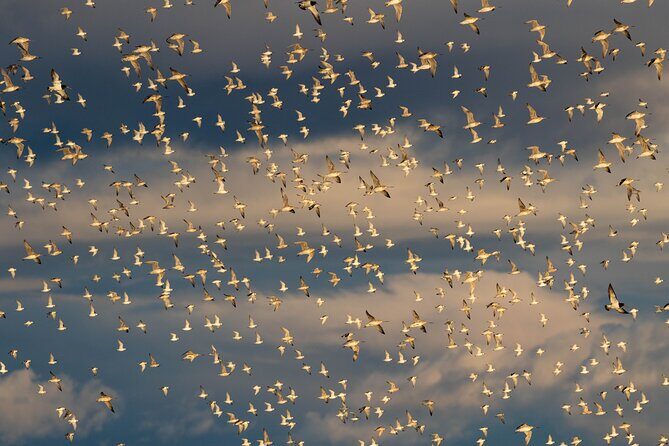
- Telescope viewing so you can pick out thousands of shorebirds at close range
- Robert Findlay Wildlife Reserve bird hides with a guided walk to see feeding zones
- Tide-timed timing designed so you’re there when the birds are where you can watch them
- Kuaka migration focus plus the bigger story of why these estuaries matter
- Conservation-minded visit that supports work happening through the Miranda Shorebird Centre
Why Pukorokoro shorebird watching feels different
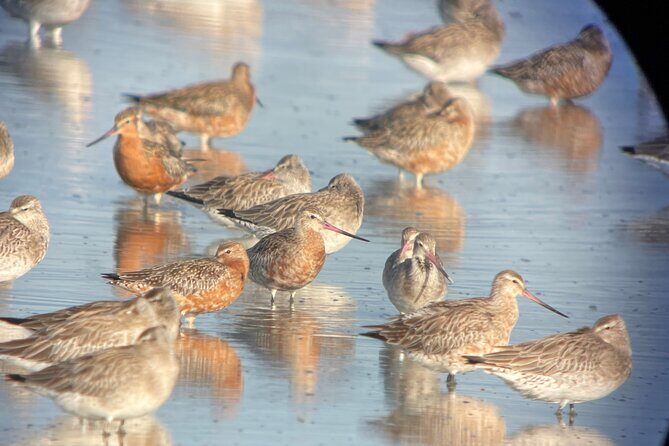
Pukorokoro Miranda Shorebird Centre isn’t trying to be a zoo experience. It’s more like a field lesson with good views. You’re out on the Shorebird Coast, watching an ecosystem at work—mudflats, water edges, and bird life doing what bird life does best: timing their movements to food and habitat.
The value for you is that the guide turns the day into something you can understand quickly. You’re not just told shorebirds exist; you’re given practical context for the wetland and the geology that shapes the sanctuary. That matters, because once you understand the setting, the birds stop looking random.
I also like that this tour is built around identification and curiosity. In past tours with guides like Trudy, people came away feeling confident about telling species apart (including the classic confusion around wry-billed birds and godwits). Even if you’re not an expert, the structure helps you focus on the right features instead of guessing.
The main consideration is physical. You should be ready for a walking route around the reserve to reach bird hides. If you need minimal walking or lots of seating breaks, this may not be the best fit.
You can also read our reviews of more guided tours in Auckland

Robert Findlay Wildlife Reserve: bird hides, telescopes, and the bird party
Your tour centers on the Robert Findlay Wildlife Reserve, where you walk through the reserve and then head to bird hides. That’s a big deal for your experience. Bird hides are designed for watching, not wandering. You get the chance to see feeding birds at a comfortable viewing distance—plus the telescopes make a noticeable difference when there are thousands of birds in the same area.
At this stop, the tour is pretty straightforward in a good way:
- You move through the reserve with a guide
- You reach the hides
- You use telescopes to look at shorebirds in their natural habitat
The result is that you can focus on details: body shapes, bill length, movement patterns, and how different species share the same space. If you’ve ever watched a flock and thought, I can’t possibly tell anything apart, you’ll appreciate the way the guide directs your eyes.
A practical tip: if you have your own binoculars, bring them. Even though telescopes are provided, binoculars help you keep scanning when birds shift around and you want to compare what you’re seeing across the area. One of the best pieces of advice from previous visitors is exactly that—bring binoculars if you have them.
One more thing to know: this is a tide-focused experience. When the tides and timing line up, birds are where you can actually see them. If conditions are off, visibility and activity can change, which is why the tour runs best with good weather.
Understanding the estuary: geology and ecosystem clues
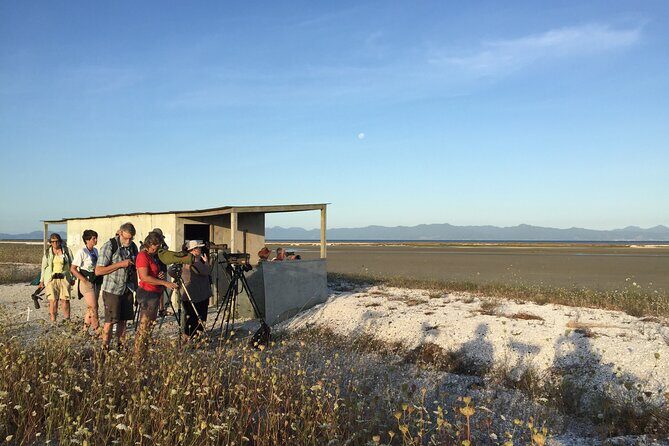
The most underrated part of this tour is the explanation. You’re not only looking for birds; you’re learning how the estuary ecosystem works and why it supports shorebird life.
As you move along the reserve and look across the sanctuary, you’ll get a sense of:
- how the estuary environment creates habitat
- what the landscape looks like to a shorebird (food availability and safe feeding areas)
- why this type of wetland becomes internationally significant
That ecosystem framing makes the viewing more satisfying. When you understand that these birds are using specific habitat edges for feeding and resting, you stop asking why they’re just standing there. They’re there because the estuary gives them what they need.
You’ll also hear about challenges shorebirds face as they live in these areas and then move on. That can include broad pressures like migration hazards and habitat needs—but the key is that the guide connects those challenges to real bird behavior you’re seeing during the walk.
If you like nature experiences where you come away with actual understanding, not just photos, this is a strong match. It’s also helpful if you’re on a “short on time” Auckland itinerary and want something meaningful that doesn’t feel like a drive-by stop.
Kuaka migration and the tide-timed bird show
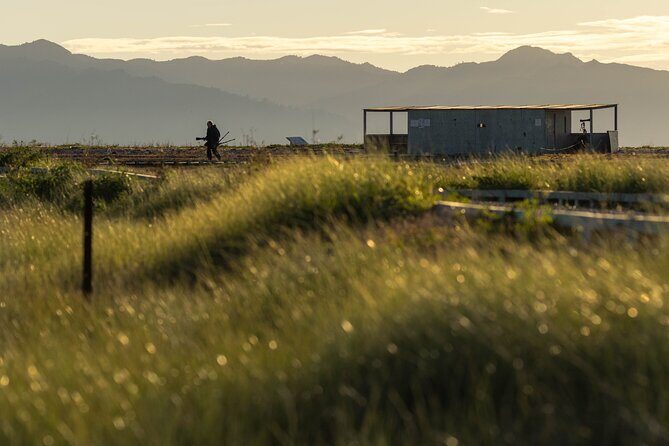
The tour’s bird story has a star: the kuaka. This species is famous for its long-distance movement, and you’ll learn about the incredible migration that shapes when and where shorebirds appear.
What I like for you is that migration talk isn’t just a trivia lecture. It links to what you’re witnessing in real time. The guide times the tour so you’re there when birds are likely to be active and visible from the hides. That’s crucial—birdwatching without timing is like showing up at a concert after the chorus. The day can still be nice, but the best moments depend on being there at the right time.
You’ll likely see multiple shorebird species, and the overall experience can feel intense: the sort of moment where you realize there are thousands of birds in one view and you have to switch from general scanning to focused looking. Guides such as Chelsea are known for answering questions and sharing lots of interesting facts, which helps you keep up when there’s a lot happening in the same area.
And yes, there can be that classic “Wait, is that a godwit or something else?” feeling. The good news is the tour is set up to help you get past the guesswork. People have specifically mentioned the benefit of learning what they’re looking at—enough to leave with confidence rather than a set of blurry images.
Guides, group vibe, and what to bring
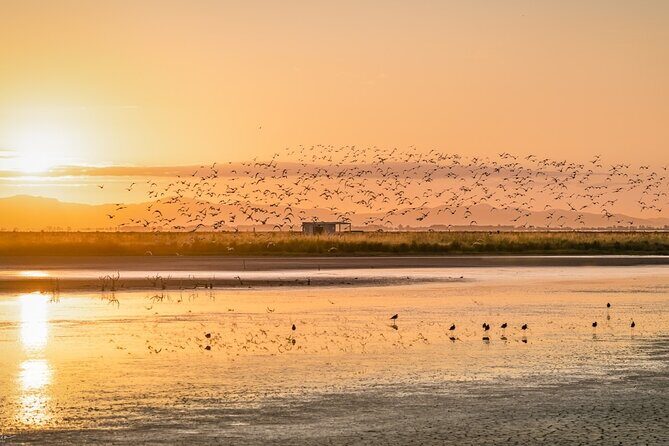
This is a private tour/activity for your group only, so you’re not dealing with a giant crowd or a fast-moving shuffle of strangers. That usually means the guide can spend time on questions and pacing that works for you.
In past tours, guides like Trudy and Chelsea have been described as friendly, informative, and very willing to answer questions. Even when you’re a beginner, you’ll feel like you can ask, What exactly am I seeing here? and get a real explanation.
For what to bring, keep it practical:
- Wear comfortable shoes for walking around the reserve
- Bring binoculars if you have them (telescopes are included, but binoculars help with quick scanning)
- Bring a refillable water bottle; bottled water isn’t included, but you can refill at the centre
One more practical note: plan around weather. The tour requires good weather, and if it’s canceled for poor conditions, you’ll be offered a different date or a full refund. Don’t book this as your “rain or shine, no matter what” item unless you’re okay with schedule changes.
If you’re traveling with kids, this can work well for curious ages—though the walking component matters. For anyone who loves birds, conservation, and understanding what you’re seeing, it’s a satisfying use of an hour and a half.



Price and value: what you’re paying for (and why it’s fair)
At $31.03 per person, this isn’t a budget-buster, especially because what’s included is the core of the experience: telescopes plus a guided walking tour through the Robert Findlay Wildlife Reserve.
Here’s where the value comes from:
- You’re not paying for a vehicle ride or a generic talk. You’re paying for guided viewing in the right place.
- Telescope use is included, so you’re not scrambling for equipment.
- The guide helps you interpret species and behavior, which can be the difference between a nice walk and a meaningful birdwatching experience.
Is it “worth it” if you don’t know shorebirds? In my view, yes—because the tour is built to teach you what to look at. And if you already know a bit, you’ll appreciate the structured way the guide helps confirm or challenge your guesses.
One thing to consider is that you’ll want to be comfortable outside for the full viewing. If you’re the type who hates standing or walking, you may feel the cost more than the benefit.
Overall, it’s good value for an active, guided nature experience in Auckland that focuses on a genuinely distinctive ecosystem and conservation work rather than just surface-level sightseeing.
Who should book this shorebird tour
Book this if you want a short, focused nature experience with real learning built in. It’s a great fit for:
- bird lovers and casual birdwatchers who want help identifying species
- nature travelers who like ecosystems and explanations, not just scenery
- travelers who enjoy conservation as an action, not just a concept
It may be less ideal if:
- you have very limited mobility (the tour isn’t recommended for that)
- you need lots of seating breaks and minimal walking
- you’re hoping for a hands-on activity beyond viewing and discussion (this is primarily about watching from hides)
If you’re also planning a longer stay, the centre offers comfortable accommodation for overnight trips. That can be useful if you want more than one chance to see bird activity without rushing.
Should you book this guided shorebird tour?
If you like the idea of watching shorebirds in a real habitat—with telescopes, bird hides, and a guide who helps you understand what you’re seeing—then yes, you should book it. The price is reasonable for what you get, and the tide-timed setup boosts your odds of meaningful viewing.
I’d especially recommend it if you’re curious about migration and want something more educational than a quick photo stop. Just be honest about your mobility and dress for outdoor weather. When the conditions are good, it’s the kind of experience that makes the birds feel less like distant dots and more like an ongoing story right in front of you.
FAQ
How much does the Pukorokoro guided shorebird tour cost?
The tour costs $31.03 per person.
How long is the tour?
The duration is about 1 hour 30 minutes.
What is included in the ticket price?
The ticket includes the use of telescopes and a guided walking tour of the Robert Findlay Wildlife Reserve.
Where does the tour take place?
The tour is in Auckland, New Zealand, and the walking viewing area includes the Robert Findlay Wildlife Reserve at the Pukorokoro Miranda Shorebird Centre.
Do I need to bring binoculars?
Binoculars are not listed as included, and bringing your own binoculars is helpful for better viewing while you scan the area, even though telescopes are provided.
Is bottled water included?
Bottled water is not included. You can refill bottles at the Centre.
Are snacks included?
Snacks are not included. You can refill water, and the centre can recommend local places to eat.
Is this tour suitable for people with limited mobility?
It is not recommended for travelers with very limited mobility, since it involves walking to bird hides.
What happens if the weather is poor?
The experience requires good weather. If it’s canceled due to poor weather, you’ll be offered a different date or a full refund.
What is the cancellation policy?
You can cancel up to 24 hours in advance for a full refund. If you cancel less than 24 hours before the start time, the amount paid is not refunded.