REVIEW · AUCKLAND
Auckland: Whale and Dolphin Watching Half-Day Eco Cruise
Book on GetYourGuide →Operated by Auckland Whale & Dolphin Safari · Bookable on GetYourGuide
Dolphins off downtown Auckland sounds unreal. I like that this half-day catamaran cruise mixes serious wildlife watching in the Hauraki Gulf Marine Park with real-world marine science, not just sightseeing. On departures I’d be watching for orca and bottlenose dolphins while a skipper and research-minded guides like John, Emily, and Sanaa explain what’s happening out there and how they track it.
My favorite part is the way you get up-close viewing that still respects the animals, plus the human touch of a crew that clearly cares. There’s also real value baked in: if you don’t see marine mammals, you’re offered a second cruise. One consideration: sightings are never guaranteed, and the weather can add some bite—so pack for a real sea day.
In This Review
- Quick hits before you go
- Leaving Auckland on the Dolphin Explorer catamaran
- First looks: North Head, Devonport, and Rangitoto from the water
- Hunting for orca and bottlenose dolphins in the Hauraki Gulf
- When the whales show up: what closer viewing really means
- Birds, plankton science, and the onboard research angle
- Comfort, weather, and what to pack for a sea day
- Price check: is $130 per person worth it?
- Who should book this eco cruise (and who should skip it)
- Ethical conservation in practice: what your ticket supports
- Bottom line: should you book this Auckland dolphin and whale eco cruise?
- FAQ
- How long is the Auckland Whale and Dolphin Watching Eco Cruise?
- Where does the cruise depart from?
- What time should I check in?
- What’s included in the price?
- Is food and drinks included?
- Do I need to bring anything specific?
- What if I don’t see whales or dolphins?
- Is the boat wheelchair accessible?
- Who isn’t allowed on the trip?
- Are young children allowed?
Quick hits before you go
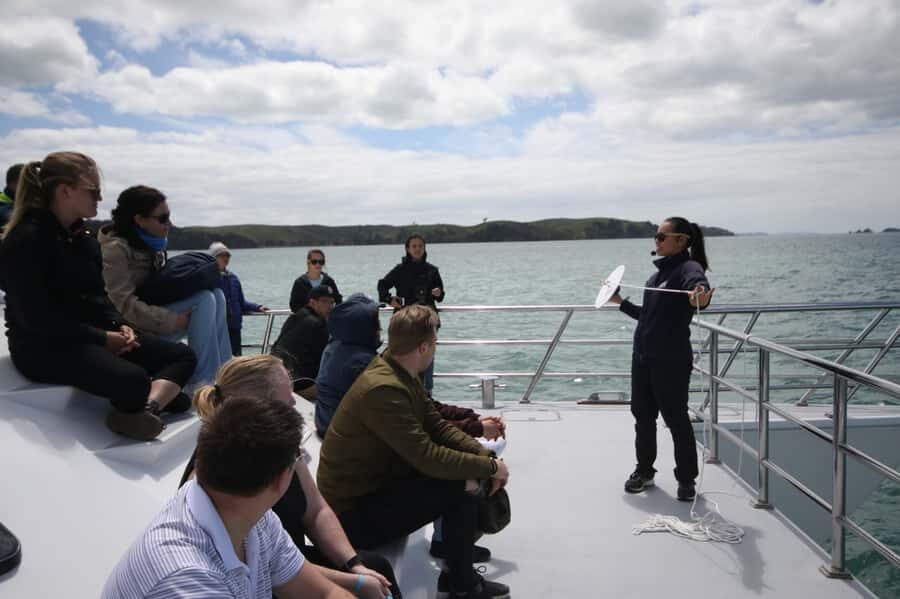
- The Dolphin Explorer is a 65-foot luxury catamaran, designed for good viewing angles from the water
- Hauraki Gulf Marine Park is the focus, with frequent orca and bottlenose dolphin routes close to the city
- Expert onboard commentary includes marine science and how sightings connect to research
- Birds often steal the show, including gannets and penguins (depending on the day)
- If you miss the main action, you can rebook a second cruise for free if no marine mammals are sighted
Leaving Auckland on the Dolphin Explorer catamaran
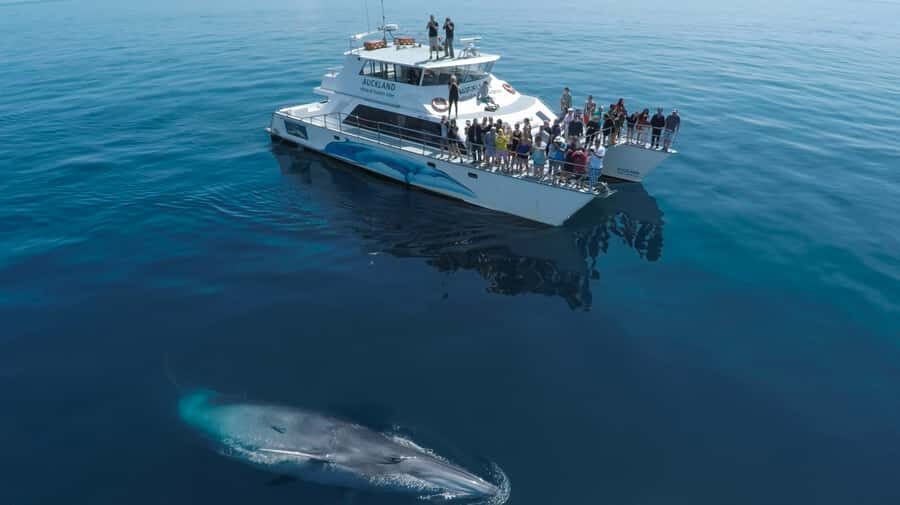
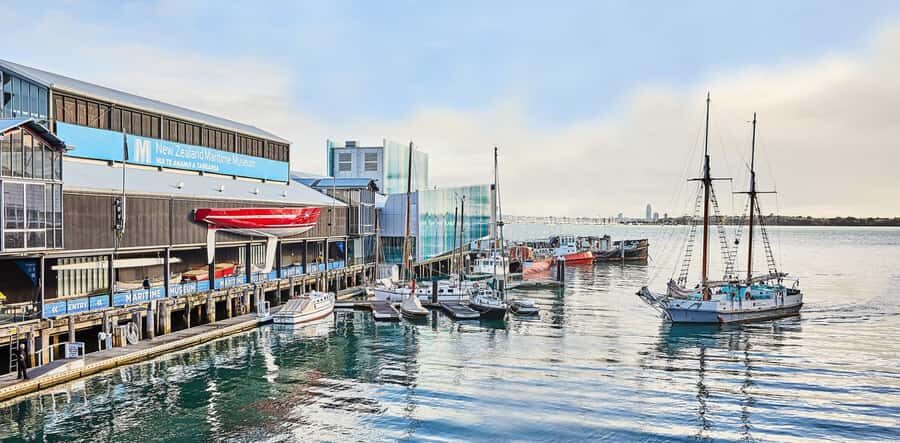
This trip starts in a place that feels made for doing it right: Eastern Viaduct Marina. Your boat is at Berth 9, opposite the Maritime Museum. It’s also easy to find because you’re basically walking straight in from Quay Street.
The cruise time is about 270 minutes (4.5 hours), which is perfect if you want a marine day without losing half your life to logistics. Boarding is quick, and you check in 30 minutes before departure; check-in closes 15 minutes prior. You also skip the ticket line, so you’re not stuck waiting with a view of the ocean you can already hear.
The vessel is not wheelchair accessible because of stairs and narrow doorways, so plan accordingly. If you’re bringing kids, note that unaccompanied minors aren’t allowed, and children under 5 are only permitted with close supervision. The company also isn’t a match for heavily pregnant women, based on what they state for safety.
You can also read our reviews of more boat tours in Auckland

First looks: North Head, Devonport, and Rangitoto from the water
Once you set sail, you don’t spend the whole day scanning with your neck craned downward. The early part of the cruise is a fast scenic loop that helps you get your bearings: you’ll pass by landmarks like North Head/Devonport and Rangitoto Island.
This matters more than it sounds. Auckland’s best coastal views can disappear fast once you’re stuck in traffic or waiting for ferries. From the water, Rangitoto looks dramatic and immediate, and you start the wildlife portion already feeling like you’re in the Hauraki Gulf, not just going somewhere to hope.
Even if your first marine sighting is slow, the combo of city coastline views plus island scenery gives the cruise a layered feel. You’re not just waiting; you’re already out on the “stage.”
Hunting for orca and bottlenose dolphins in the Hauraki Gulf
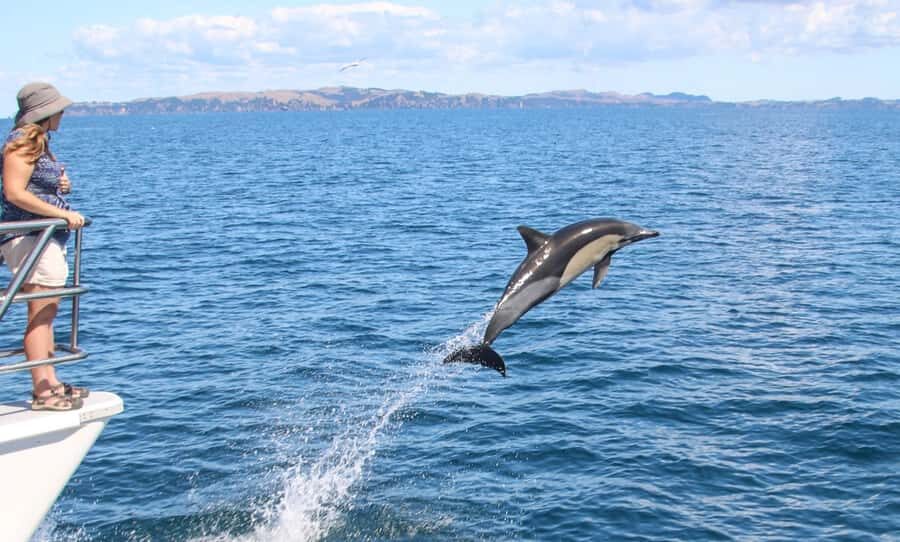
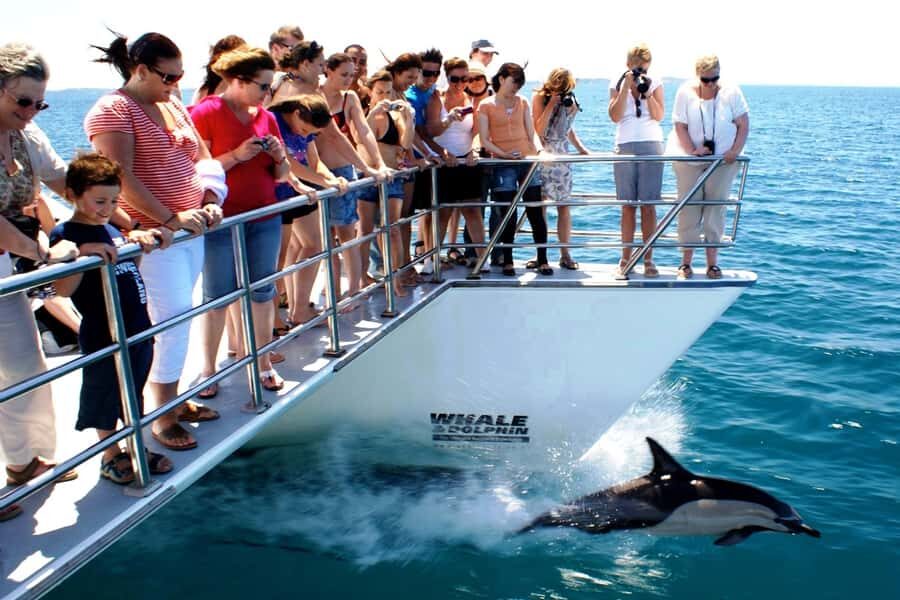
The heart of the day is wildlife watching in the Hauraki Gulf Marine Park. The cruise is set up to look for orca and bottlenose dolphins, and the key promise is that these animals often visit waters close to the city. That’s why this feels like an Auckland experience, not a long-distance day trip.
You’ll also hear expert guidance as you scan. A lot of the comments from the crew style fall into one theme: they don’t just point and hope. They explain animal behavior and what people should look for next—so you’re not standing there feeling clueless when nothing surfaces instantly.
What I’d expect on many departures is the classic “then suddenly” moment: pods appear, you get time to watch them, and the boat changes pace to match what the animals are doing. Some days are dolphin-heavy (common), and some include rarer moments that make the whole day worth it even if you’re tired of looking for a blow.
A nice detail: the cruise experience is designed so you can see animals closer than some other whale-watching operations. Translation: you’re more likely to get those satisfying views where you can actually read the behavior—how they travel, how they interact, and how they move around the boat—while still keeping distance.
When the whales show up: what closer viewing really means
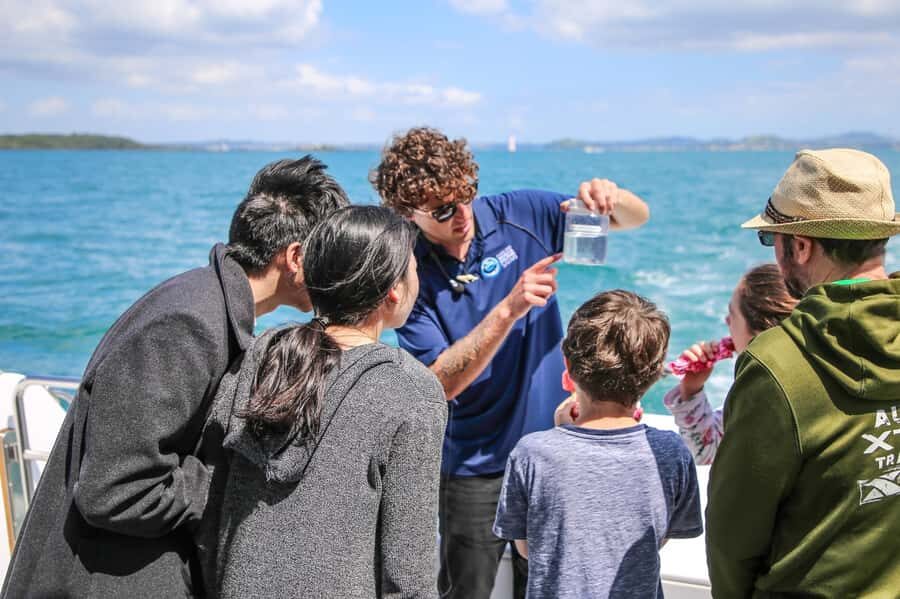
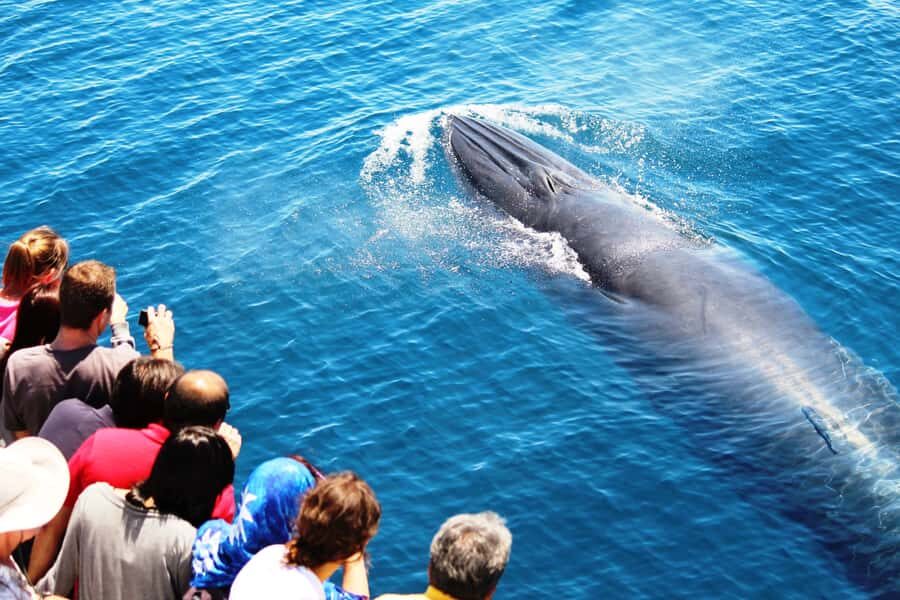
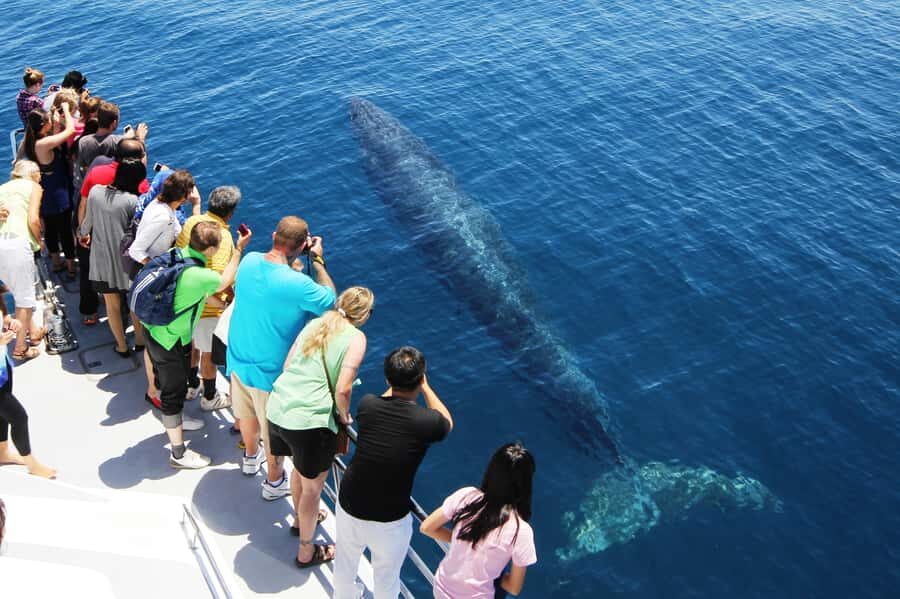
Whales are the “maybe” in any whale-and-dolphin cruise, and this one isn’t magic. But when whales do appear, the payoff can be huge. The day might include whales in the distance or whales that are visible enough to feel real, not just “someone somewhere said a whale.” Some departures even report types like Bryde’s whales and sightings that include multiple whales.
Here’s what you should take seriously: closer access changes the quality of your watching, not just your photos. You’re more likely to understand what you’re seeing because you can track the pattern—approach, surfacing, then moving on. And you’re more likely to feel the rhythm of the animals rather than just spotting a spout and moving on.
Also, don’t miss the bird factor. Even when whales don’t show up, many people end the cruise happy because the day becomes a wildlife mix: gannets and other sea birds are frequently spotted, and some departures even report penguins. That turns a “whales or bust” outing into something closer to a naturalist day.
One more practical note: conditions can get windy at times. You might get a bumpy ride, even if it’s not full-on stormy. The crew handles this with safety first, but you’ll want your body ready for it.
Birds, plankton science, and the onboard research angle
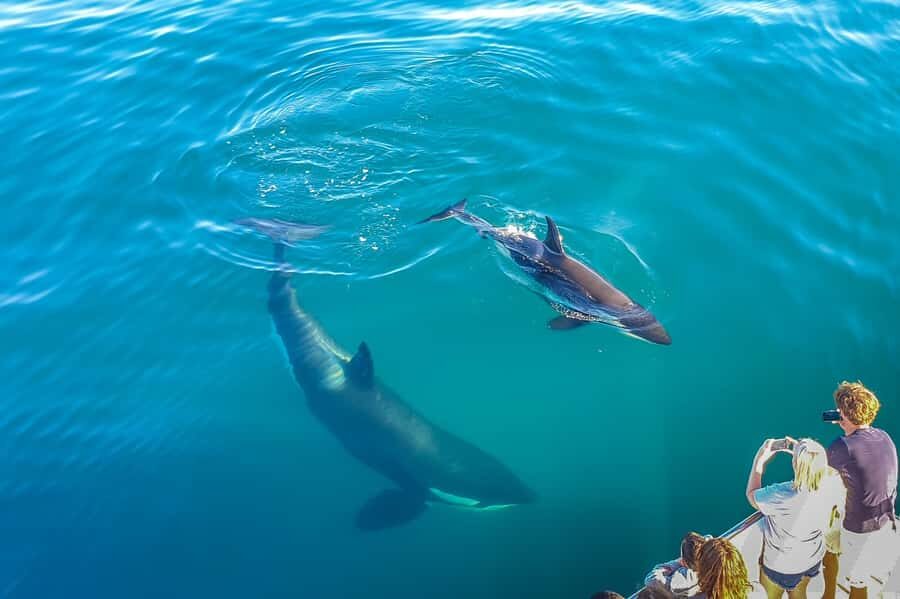
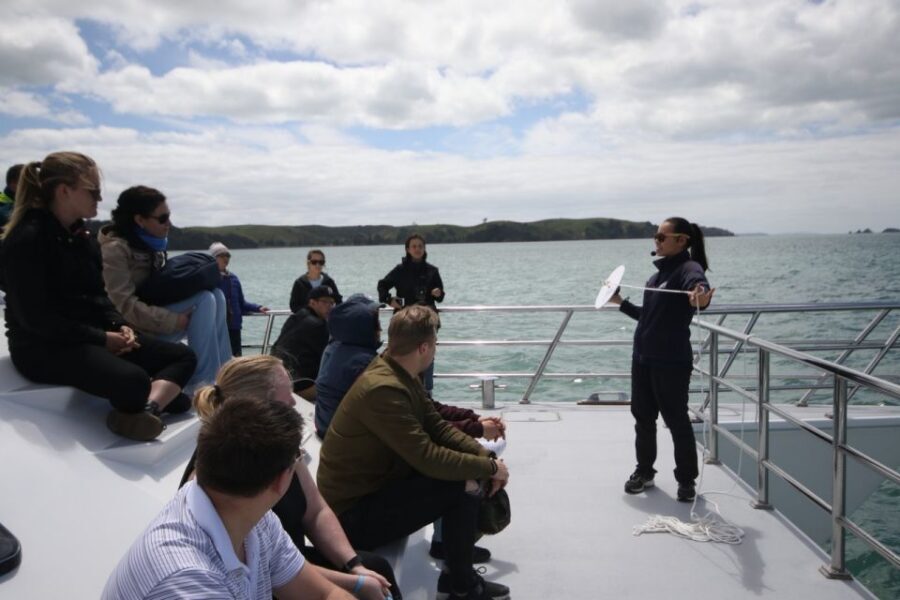
This is where the cruise stops being just a wildlife hunt. The boat runs as an eco and research-minded operation, and the commentary can include science topics that many people don’t expect—like how researchers look at the marine environment.
From the on-the-water experience perspective, plankton and research sampling show up as a kind of behind-the-scenes moment: you see how the science connects to what you’re seeing above the waterline. That’s not filler. It turns your curiosity into a clearer picture of why the Gulf matters.
You’ll also likely hear explanations about geography and ecology—how the area works and why certain animals show up when they do. And because the cruise is focused on ethics and conservation, you’ll hear how they aim to keep a respectful distance.
I also love that the onboard vibe is active. Crew members often keep the group informed as sightings change, and you get a sense that they’re managing the day for everyone’s comfort—not just for maximum excitement. People mention how guides keep things both informative and upbeat, which makes the waiting more bearable when you’re scanning.
You can also read our reviews of more whale watching tours in Auckland
Comfort, weather, and what to pack for a sea day
This is a half-day, but it still counts as a real outing on the water. Dress for the conditions, not for the forecast you hoped for.
The operator specifically recommends:
- Warm clothes
- A showerproof jacket
- Sun hat and sunscreen
- Your camera and (if you have them) binoculars
- Sea-sickness medication taken prior to the trip
- Any personal medication you need
That sea-sickness line isn’t optional-sounding for a reason. Even on manageable days, you’re on open water and moving for hours. Bring something you already tolerate.
Inside, you’ll find a setup meant for comfort and visibility. People note the boat isn’t cramped and there are plenty of spots to see over the edge—one reason it works well compared to some smaller or more crowded sightseeing boats.
One small wildcard: some sailings can include a lot of children, and that can make it harder to hear the guide at moments. If you want quieter listening time, bring simple hearing protection (or at least plan to take in the big moments when the crew is calling sightings).
Food and drinks aren’t included, but you can purchase snacks, hot food, and drinks onboard, including beer and wine. If you’re the type who gets hungry on water, plan to bring money for at least a drink or snack.
Price check: is $130 per person worth it?
At $130 per person for about 4.5 hours, this isn’t a bargain-basement outing. But the value comes from three things.
First, you’re paying for a specific area and a specific kind of watching: the Hauraki Gulf Marine Park, plus frequent dolphin routes close to Auckland. That reduces the time spent traveling far away just to begin scanning.
Second, you’re paying for the difference between a ride and a guided wildlife experience. People consistently highlight that guides and skipper commentary is strong, with marine science and research details built into the day.
Third—and this matters a lot—you get insurance against a common problem: no animals. If you don’t see any marine mammals, you can take the cruise again for free. That turns “I hope we see whales” into “I’m likely to get an excellent day on the water either way.”
If you’re comparing it to other whale-watching options, this is a case where the real question is not only what animals you’ll see, but how often the operation sets you up to have a satisfying wildlife experience even when whales don’t show.
Who should book this eco cruise (and who should skip it)
This tour fits best if you want an Auckland activity that feels like it belongs to the place. You’ll like it if you enjoy:
- Wildlife watching from a boat with good viewing space
- Learning how marine research connects to real animal behavior
- A mix of mammals plus birds like gannets and penguins (depending on the day)
It’s also a great choice for people who don’t want a full day sunk into travel. In a short stay in Auckland, four-ish hours on the water is an efficient way to get a “real New Zealand nature” moment.
Skip it if:
- You have mobility limits that make stairs and narrow doorways hard to manage (it’s not wheelchair accessible)
- You’re heavily pregnant (the operator says it’s not suitable)
- You’re going with an unaccompanied minor (the trip doesn’t allow that)
If you’re traveling with kids, it can be a hit because the day is full of movement and teaching. Just be aware that some trips may include enough young energy to affect how clearly you hear the guide at times.
Ethical conservation in practice: what your ticket supports
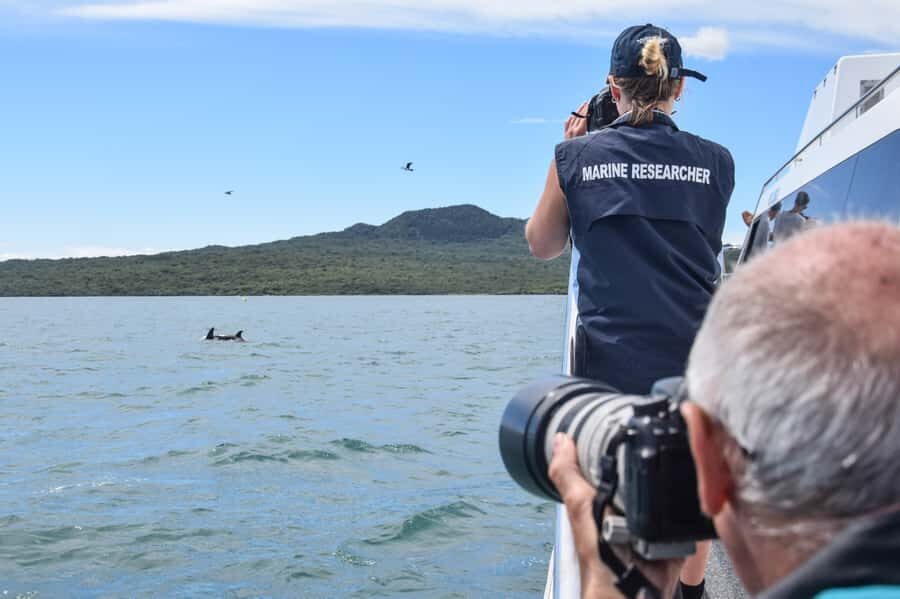
One thing I appreciate is that the cruise ties the experience to conservation. A dollar from every ticket goes toward the Hauraki Gulf Guardians fund. That doesn’t replace the need for science and good practices, but it does mean your ticket has a direct reason to exist beyond profit.
This shows up in the way guides talk about respect for wildlife—staying appropriate distance and focusing on research rather than chasing spectacle. If you care about making responsible choices in the places you visit, this kind of structure is a clear plus.
Bottom line: should you book this Auckland dolphin and whale eco cruise?
If your goal is a half-day in Auckland that feels authentic and gives you multiple ways to enjoy the ocean—wildlife, birds, and science—then yes, I’d book it. The value isn’t just the chance at orca, whales, and dolphins. It’s the expert commentary, the strong viewing setup, and the backup plan of a second cruise if you miss the marine mammals.
Book this tour if you:
- Want a guided marine experience close to the city
- Like learning while you watch
- Can dress for wind and weather
- Don’t mind that nature decides what the day looks like
I’d think twice only if you’re very sensitive to sea conditions or you need full accessibility support. Otherwise, this is one of the best ways to turn Auckland’s waterfront into a true marine encounter—rather than just a pretty photo stop.
FAQ
How long is the Auckland Whale and Dolphin Watching Eco Cruise?
It lasts about 270 minutes, which is roughly 4.5 hours.
Where does the cruise depart from?
The boat is at Berth 9, Eastern Viaduct Marina, accessed from the end of Quay Street heading West, opposite the Maritime Museum.
What time should I check in?
Check in is open 30 minutes before departure, and it closes 15 minutes before the trip time.
What’s included in the price?
You get the 4.5-hour eco-cruise, a guide, and a second cruise if you don’t see any marine mammals.
Is food and drinks included?
No. Food and drinks are available to purchase on board, including snacks, hot food, and drinks (beer and wine are also available).
Do I need to bring anything specific?
Bring warm clothes and a showerproof jacket. It also helps to bring a sun hat and sunscreen, your camera, binoculars (if you have them), any required medication, and sea-sickness medication taken prior to the trip.
What if I don’t see whales or dolphins?
If you don’t see any marine mammals, you can take the cruise again for free.
Is the boat wheelchair accessible?
No. The vessel is not wheelchair accessible due to stairs and narrow doorways.
Who isn’t allowed on the trip?
Unaccompanied minors are not allowed. The tour also states it is not suitable for heavily pregnant women.
Are young children allowed?
Children under 5 are permitted only if closely supervised by a parent or guardian.