REVIEW · AUCKLAND
From Auckland: Rotorua Māori Village & Hot Springs with Haka
Book on GetYourGuide →Operated by Expedigo NZ · Bookable on GetYourGuide
Rotorua from Auckland feels like a movie set that’s actually boiling. You get living Māori culture in Whakarewarewa, then you soak at Polynesian Spa in mineral pools with Lake Rotorua views. The day is long, and it’s not the kind of trip where you can sleep in.
What I like most is the combo: you learn Māori life and customs in an active village setting, then you cool down (literally) in geothermal waters. The other standout is the cultural performance, including the famous Haka. One consideration: the drive from Auckland takes time, so if you’re not into long days, this may feel like a lot.
One more thing that matters for the experience: the tour runs with small groups (limited to 11), and English guides like Brendan, Matt, Jason, and Huzefa have been praised for clear explanations and keeping the day moving. If you’re lucky, you’ll also hear from a village guide such as Michael, who’s known for making village life easy to understand.
In This Review
- Key things that make this tour worth your attention
- A 12-hour Rotorua reset from Auckland
- The bus day checklist
- Whakarewarewa Village: Māori culture where the earth is working
- What you’ll see beyond the performance
- Interaction and questions
- The Haka performance: songs, dance, and stage power
- A small-group advantage during performances
- Geothermal sights and free walking time in the hot zones
- Silica formations and why you should pay attention
- Polynesian Spa: mineral pools and a real cooldown
- What makes the spa feel special
- Don’t forget the basics
- Price and value: does $236 per person make sense?
- When the price feels fair
- When you might hesitate
- Logistics that can make or break your day
- Expect a big-time commute
- Plan your arrival and your return energy
- Health and safety reality check
- Who this tour is best for
- Should you book it?
- FAQ
- How long is the Auckland to Rotorua tour?
- What’s included in the price?
- Is food included?
- Do I need to bring swimwear?
- Is this tour wheelchair accessible?
- What group size is this tour?
- Is there a Haka performance?
- Where does pickup happen?
- What should I bring besides swimwear?
- Is there free cancellation?
Key things that make this tour worth your attention
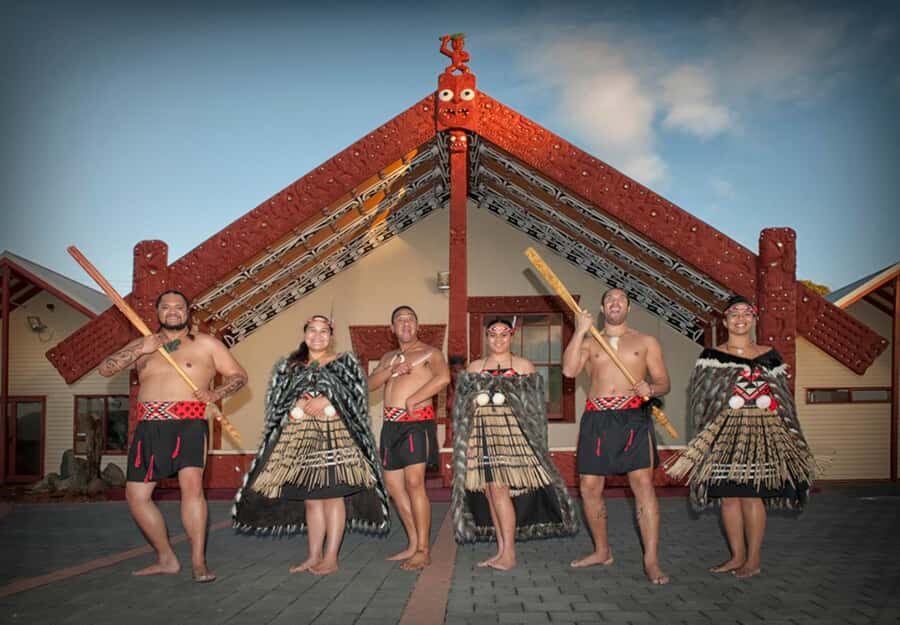
- Whakarewarewa is a living village, not a staged stop, with geothermal vents and mud pools right there
- Cultural performances include the Haka, plus songs and dances tied to Māori life
- Geothermal time on your schedule, so you can explore the boiling hot areas at a relaxed pace
- Polynesian Spa mineral pools give you a proper reset after the drive
- Small group size (up to 11) helps you actually ask questions and hear the guide
A 12-hour Rotorua reset from Auckland
This is a one-day trip with a simple idea: trade a long bus ride for two of Rotorua’s biggest experiences—Māori culture and geothermal relaxation. The total time is about 12 hours, and the Auckland–Rotorua drive can feel close to a full half-day each way. Reviews also describe it as roughly a three-hour drive each direction, so plan your expectations around that.
The pacing is built for day-trippers. You start with the village (so you’re fresh), then you end with the Polynesian Spa (so you’re tired in a good way). That order matters. Rotorua geothermal sights are active and sensory—steam, heat, smells—so starting with the village keeps you from feeling like you’ve only just arrived when it’s time to leave.
Pickup is from many downtown Auckland hotel options, and the tour includes hotel pickup and drop-off. If your hotel isn’t listed, you’ll pick the nearest option and meet the group there. You’ll also be picked up up to 20 minutes before departure, so set a “be ready early” alarm. You can’t expect the vehicle to wait if you’re late.
You can also read our reviews of more tours and experiences in Auckland
The bus day checklist
Pack for a long day, not a quick outing:
- Bring water (a reusable bottle is recommended)
- Wear shoes you don’t mind getting a little warm or sandy
- Keep swimwear accessible so you’re not digging for it late in the day
Whakarewarewa Village: Māori culture where the earth is working
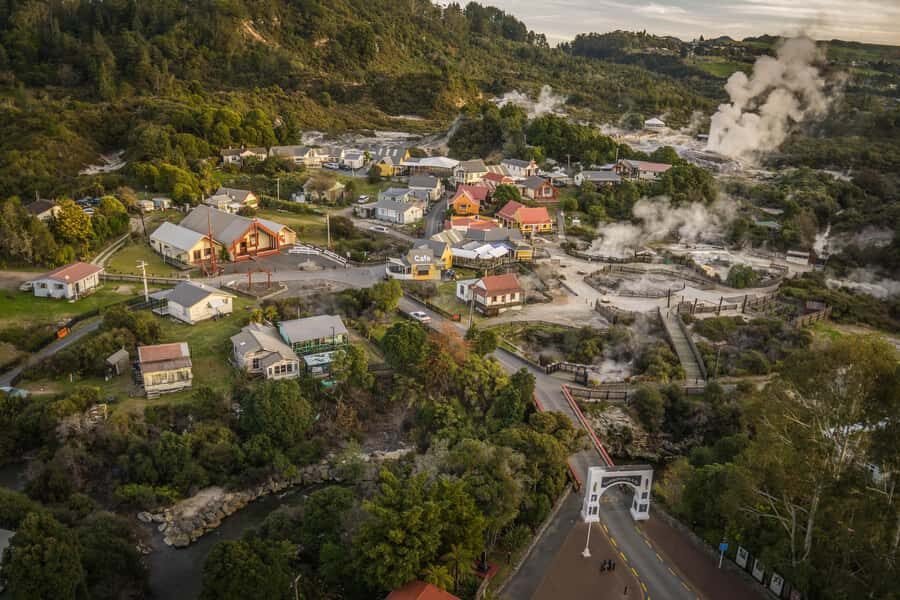
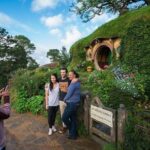
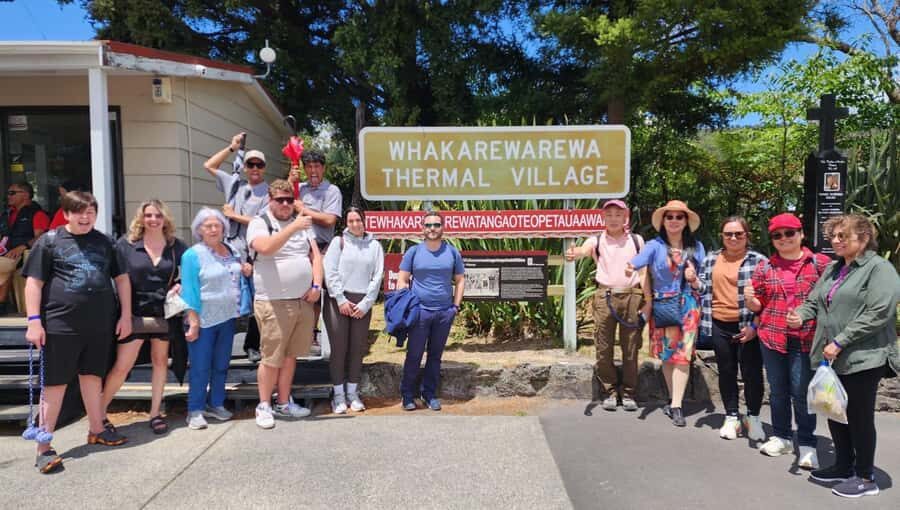
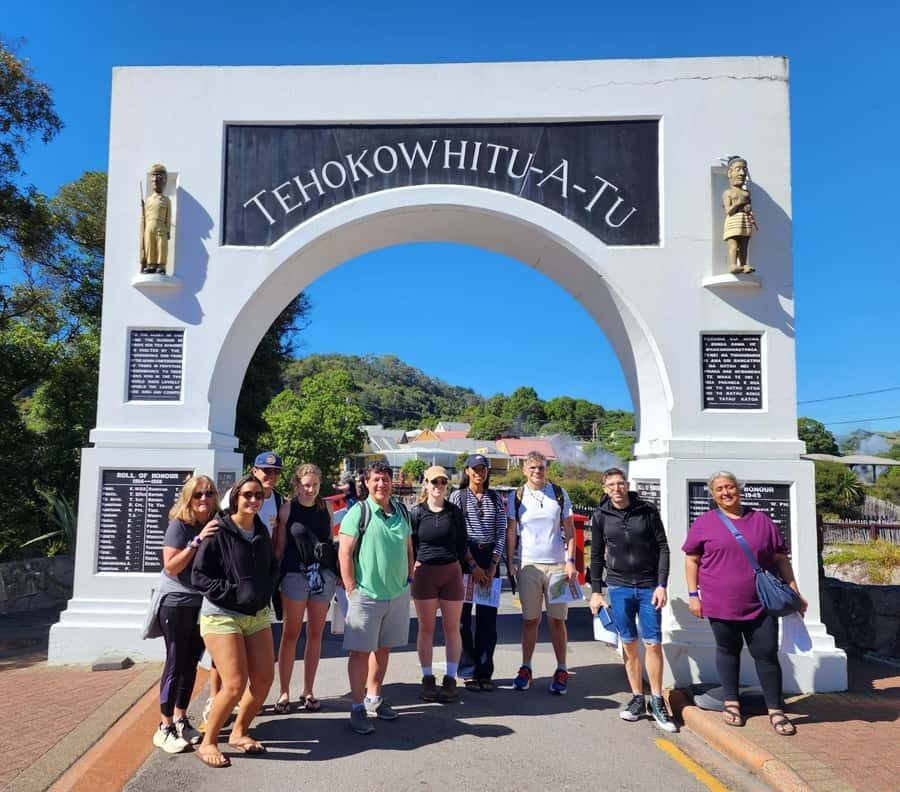
Whakarewarewa Village is the main cultural stop, with a guided visit that runs for about 3 hours. The big difference here is that it’s not just a museum-style explanation of Māori life. You’re walking through a living community where geothermal activity is part of everyday surroundings.
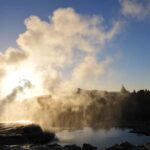
Right when you arrive, you’ll notice geothermal steam rising from the ground. That smell and heat aren’t background noise—they’re part of why this area matters. Your guide leads you through the village and explains customs and lifestyle in a way that makes sense, even if Māori culture is new to you.
What you’ll see beyond the performance
The village area is known for geothermal features like:
- bubbling mud pools
- spouting geysers
- steaming vents
Your guide ties these to Māori connection to the land—why people live in places like this, how geothermal activity shapes routine, and why the environment shows up in stories and traditions. If you’re the type who likes “how things work here” explanations, this portion is usually the payoff.
Interaction and questions
One reason this stop gets high marks is the human side. You don’t just watch from the edge. You’re encouraged to interact and learn from locals who can explain what you’re seeing. That makes it feel grounded instead of performative.




The Haka performance: songs, dance, and stage power
After the village tour portion, there’s a cultural performance at Whakarewarewa that includes the famous Haka. The tour description frames it as world famous, and the Haka is consistently called out as a highlight.
Here’s what to expect in practical terms:
- You’ll see traditional Māori songs and dances
- The performance is meant to show heritage and spirit, not just entertain
- You’ll likely feel a shift from “learning” mode to “watch and absorb” mode
If you’re coming specifically for the Haka, this is one of the more efficient ways to fit it into a day from Auckland. You’re not waiting until evening in Rotorua; you’re getting it as part of your village block.
A small-group advantage during performances
With a group capped at 11, you tend to get closer than on big bus tours. That makes a difference with performances because you can actually see expressions and body movement without playing cameraman behind shoulders.
Geothermal sights and free walking time in the hot zones
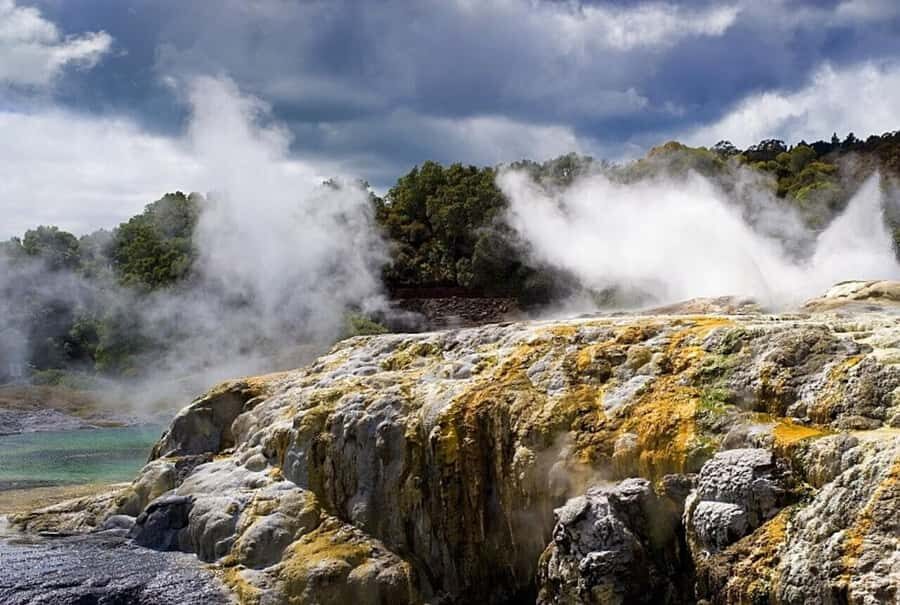
Once the cultural show is done, you get time to explore the geothermal park area around the village. This is where Rotorua’s geothermal personality really shows up—steam drifting across paths, hot pools bubbling nearby, and geyser activity that looks like nature is putting on a show.
You’ll be able to explore at your own pace during this window. That matters because everyone reacts differently to heat and smell. Some people want photos and quick stops; others just want to slow down and watch the steam rise.
Silica formations and why you should pay attention
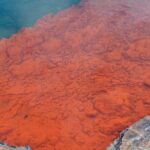
Rotorua is known for silica features—nature-built deposits that create striking colors and textures. Your tour includes time that lets you take in those formations, and the guide helps explain what you’re seeing.
Even if you don’t want to become a geology nerd, it’s worth looking closely. The formations and hot pools make Rotorua feel like a different world compared to Auckland’s green-and-slow pace.
Polynesian Spa: mineral pools and a real cooldown
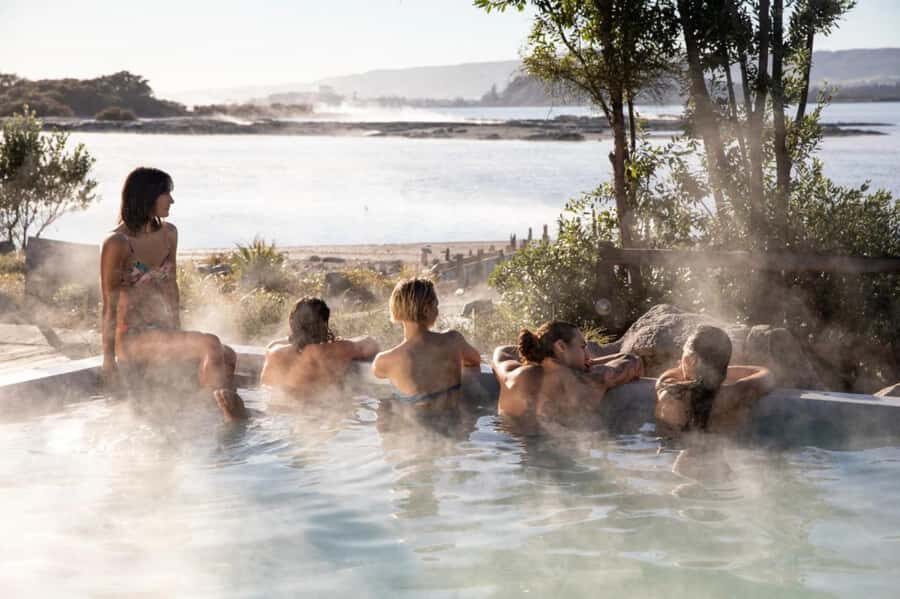
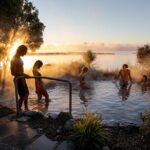
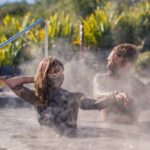
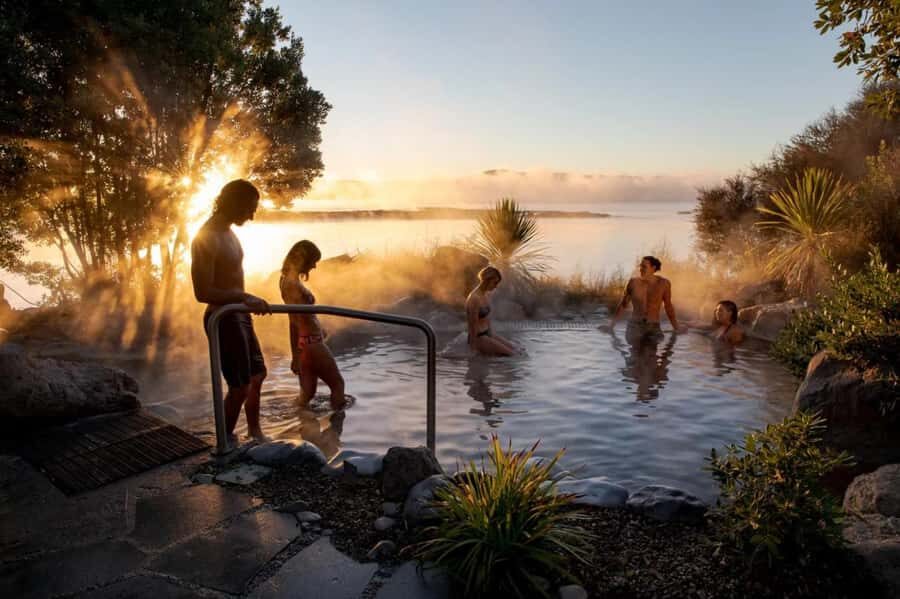
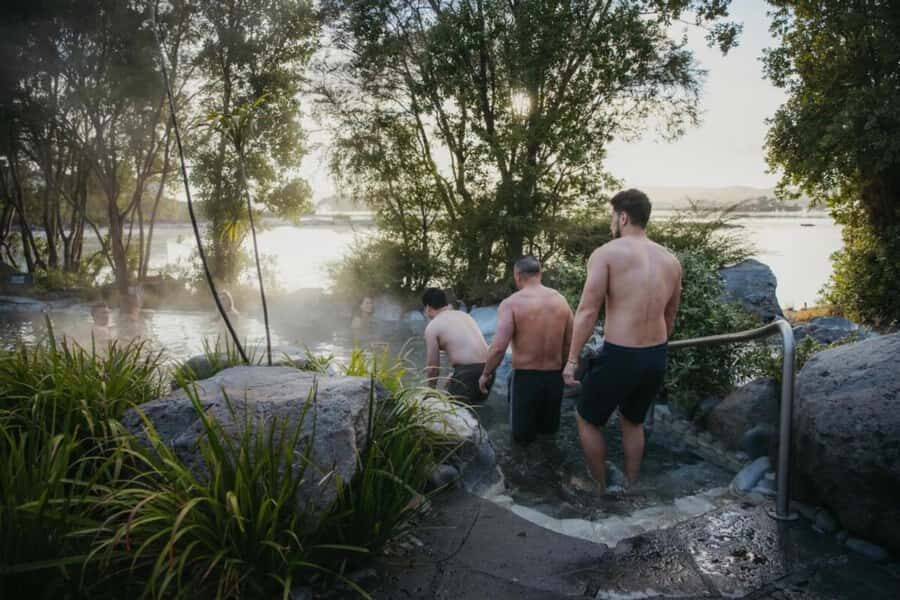
Then comes the payoff: Polynesian Spa. Your visit is about 2 hours, and it includes spa entry plus time to relax. This is the moment you shed the bus-day stiffness and switch your brain from learning to soaking.
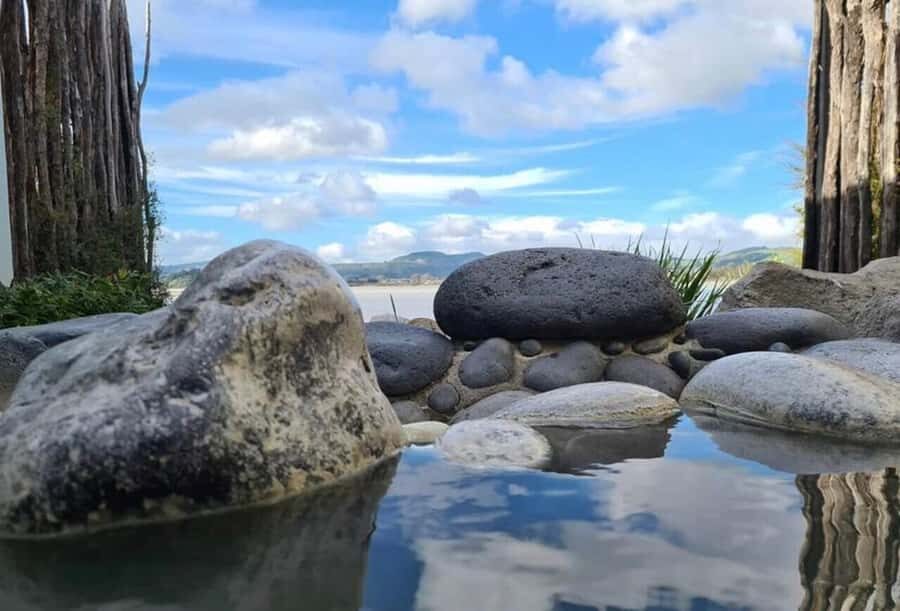
Polynesian Spa uses geothermal water, mineral-rich and drawn from deep beneath the earth. The tour description highlights that there are different pool types, including:
- alkaline waters
- acidic springs
You’re not going to get a medical prescription from this tour, but the idea is simple: soak in naturally heated mineral pools and let your body reset after a long day.
What makes the spa feel special
The spa setting includes strong views of Lake Rotorua and surrounding forests. When you’re in the water, you’re not just staring at tiles—you’re looking out at natural scenery that makes the whole experience feel earned.
Also, your timing helps. Doing the spa after the village means you’ll enjoy it more. You’re ready to relax, not just “pass through” a pool area for a photo.
Don’t forget the basics
Bring what you need for comfort:
- swimwear
- flip-flops
- reusable water bottle
Adult swimwear can be hired or purchased at the Spa Essentials Shop, so you won’t be stranded if you forgot—but you’ll feel better if you plan ahead.
Price and value: does $236 per person make sense?
At $236 per person, you’re not paying for a simple bus ticket. You’re paying for a full-day package that adds up when you break it down:
- round-trip bus transportation from Auckland
- hotel pickup and drop-off
- entrance ticket to Whakarewarewa Village
- cultural performances at the village (including the Haka)
- entrance ticket to Polynesian Spa
- an English-speaking guide
- a small group size (up to 11)
- skip the ticket line
Food and drinks are not included, so you’ll want to budget for what you choose to eat during available breaks. One practical tip: bring snacks only if the day you’re going aligns with your comfort level—if you prefer not to deal with food logistics, set aside spending money for meals at onsite cafés or shops.
When the price feels fair
This price feels like good value if you want:
- guided cultural context (not just wandering around on your own)
- geothermal time plus a major relaxation finish
- a day schedule that’s already solved for pickup, tickets, and timing
When you might hesitate
If you strongly dislike long drives, you may feel the cost doesn’t “buy” enough time back. This is still a 12-hour day, and Rotorua rewards patience.
Logistics that can make or break your day
A few details aren’t glamorous, but they’re the difference between a smooth outing and a stressful one.
Expect a big-time commute
The drive is long enough that rest and timing matter. One of the guides has been praised for managing traffic and including rest stops. That kind of planning helps. Still, you’ll be sitting for hours, so bring a water plan and wear something that tolerates a travel day.
Plan your arrival and your return energy
Pickups start up to 20 minutes before departure. Be ready outside. Guides can make multiple stops and may arrive within a 10-minute window. So the best move is simple: show up early, not on the dot.
Health and safety reality check
This tour isn’t suitable for wheelchair access, and it also isn’t suitable for people with heart problems. If you’re pregnant, you should consult your medical practitioner. If you have allergies to sulphur, also check with a medical professional first.
Geothermal areas involve heat, steam, and smells. If you’re sensitive to those factors, don’t ignore the warning list.
Who this tour is best for
This is a good match if you want a packed Rotorua day without having to plan it all yourself. It’s especially strong for:
- first-time visitors to Rotorua
- people who want Māori culture explained by locals in a living village setting
- anyone who wants a proper hot-springs unwind at the end
- travelers who like small groups and guided context
It’s less ideal if you:
- hate long bus rides
- need wheelchair accessibility
- have health conditions that make geothermal steam and heat a concern
Children must be accompanied by an adult, and unaccompanied minors aren’t allowed. If you’re traveling with kids, check that they’ll handle the day length and the swim-time requirements.
Should you book it?
I’d book this tour if you want an efficient Auckland-to-Rotorua day that combines a real Māori village visit, the Haka performance, and a calm spa finish. The value is strongest when you factor in included tickets, guide time, and transport, plus the small-group setup.
Skip it if long drives will drain you or if geothermal heat and steam are a health concern. In those cases, Rotorua might be better as an overnight stay so you can enjoy it without rushing.
If you can handle a 12-hour day and you’re excited to see both culture and hot pools in one go, this is a smart way to spend it.
FAQ
How long is the Auckland to Rotorua tour?
The duration is 12 hours.
What’s included in the price?
You get entrance tickets to Whakarewarewa Village and Polynesian Spa, cultural performances, round-trip bus transportation, hotel pickup and drop-off, and an English guide.
Is food included?
No. Food and drinks are not included, though lunch time is part of the spa visit schedule.
Do I need to bring swimwear?
Yes. Swimwear is recommended and required for the spa pools.
Is this tour wheelchair accessible?
No, the tour is not suitable for wheelchair access.
What group size is this tour?
It’s a small group limited to 11 participants.
Is there a Haka performance?
Yes. The cultural performance includes the famous Haka.
Where does pickup happen?
Pickup is available from selected Auckland hotel locations, with multiple downtown CBD options listed.
What should I bring besides swimwear?
Flip-flops and a reusable water bottle are recommended.
Is there free cancellation?
Yes. You can cancel up to 24 hours in advance for a full refund.