REVIEW · AUCKLAND
Māori Cultural Experience & Auckland Museum Admission
Book on GetYourGuide →Operated by Auckland Museum - Tamaki Paenga Hira · Bookable on GetYourGuide
One show, then a whole museum day. This is a smart way to meet Māori culture through Living Taonga and a full Auckland Museum ticket in one go. I like the way the storytellers and performers explain what you are seeing, not just what you are watching—especially with the haka.
Two things I especially enjoyed: the mix of waiata (traditional song), poi skills, and dance that feels teachable and moving, and the chance to understand the haka’s origins and meaning in plain language. The one drawback to consider is that the cultural performance is only part of your day—so if you came mainly for a long, guided tour, you’ll still need to plan how you use the rest of your museum time.
Plan it right and this works well. The museum is easy to reach by public transport (about a 30-minute walk or a 5-minute drive from the city), and you’ll spend the day moving at your own pace—with a clear cultural anchor first. Just note you can’t bring food or large bags, and the Māori Court & Pacific Galleries are temporarily closed for maintenance.
In This Review
- Key things to know before you go
- Living Taonga at Auckland Museum: A practical cultural intro
- What you’ll actually see: storytelling, waiata, poi, and dance
- The haka explanation: strength, unity, identity
- Your all-day museum ticket: what to do after the performance
- Timing and arrival: how to make the performance go smoothly
- Getting there from downtown: walk, bus, or park
- Price and value: $37 for culture plus museum time
- Who this experience suits best
- Day-opening schedule: when you’ll want to go
- Important closures and date limits
- Should you book Living Taonga at Auckland Museum?
- FAQ
- What is included in the ticket?
- Where is the meeting point?
- How long is the experience?
- Is the Māori Cultural Experience available every day?
- Are the Māori Court & Pacific Galleries open?
- What can’t I bring?
- Is the museum wheelchair accessible?
- What are the museum opening hours?
- What should I do about timing for the performance?
- Can I get a refund if my plans change?
Key things to know before you go
- Living Taonga is a structured Māori cultural performance led by indigenous artists and orators, followed by museum time
- The haka is explained with attention to strength, unity, and identity, not just theatrics
- Waiata and poi show up as more than entertainment—they connect voice, movement, and story
- You’re booking museum + culture together, so the value depends on how much you want to explore after the show
- Māori Court & Pacific Galleries are closed during essential maintenance, which changes what you can see
- No food and drinks, and no luggage/large bags means pack light
Living Taonga at Auckland Museum: A practical cultural intro
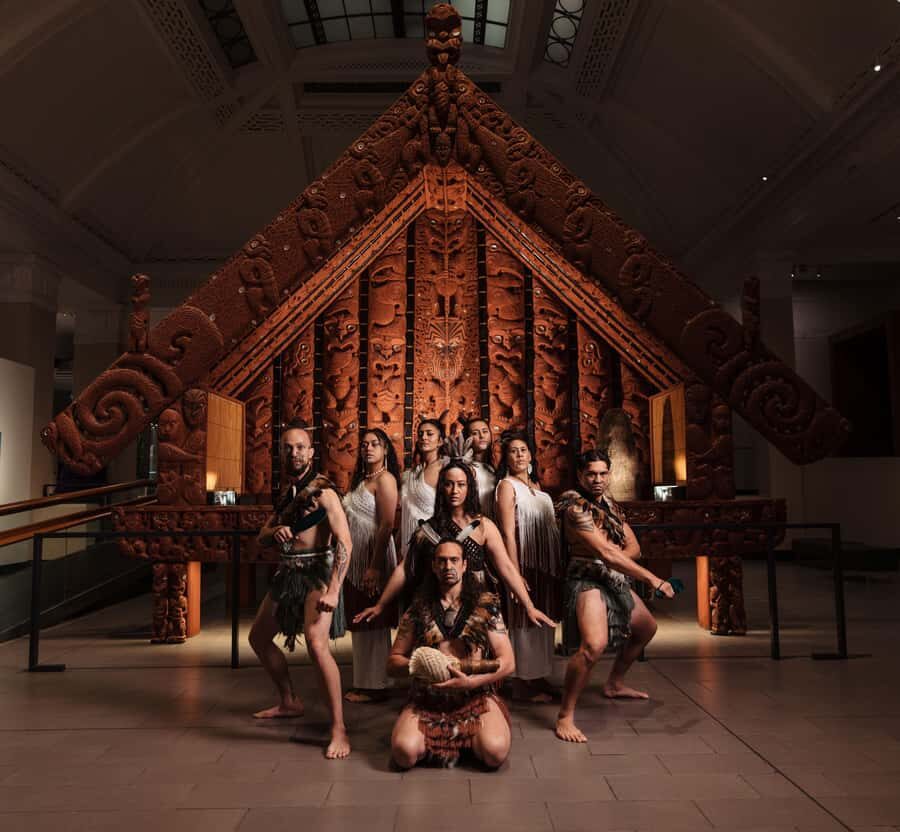
If you want a real first taste of Māori culture in Auckland, this combo ticket is one of the easiest ways to do it. You get a Māori Cultural Experience at Auckland Museum, then you can use the general admission ticket all day to see the rest of the museum at your pace.
What makes it work well is the pacing. You start with a focused performance—stories, song, and dance—and then you have hours to connect those ideas to real exhibits across New Zealand heritage and natural history. It feels like the museum is speaking to you twice: once through living performance, and again through objects, landscapes, and cultural treasures.
You can also read our reviews of more museum experiences in Auckland


What you’ll actually see: storytelling, waiata, poi, and dance
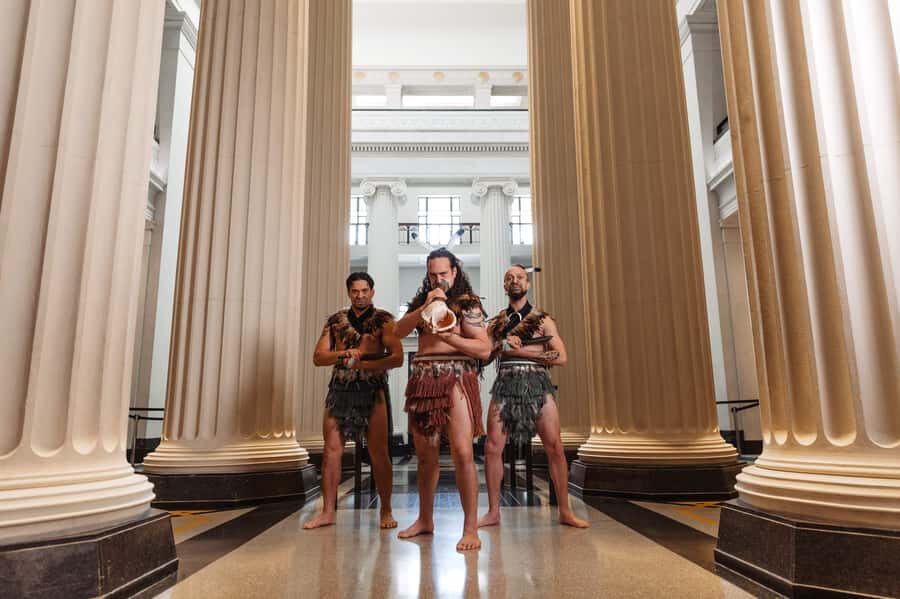
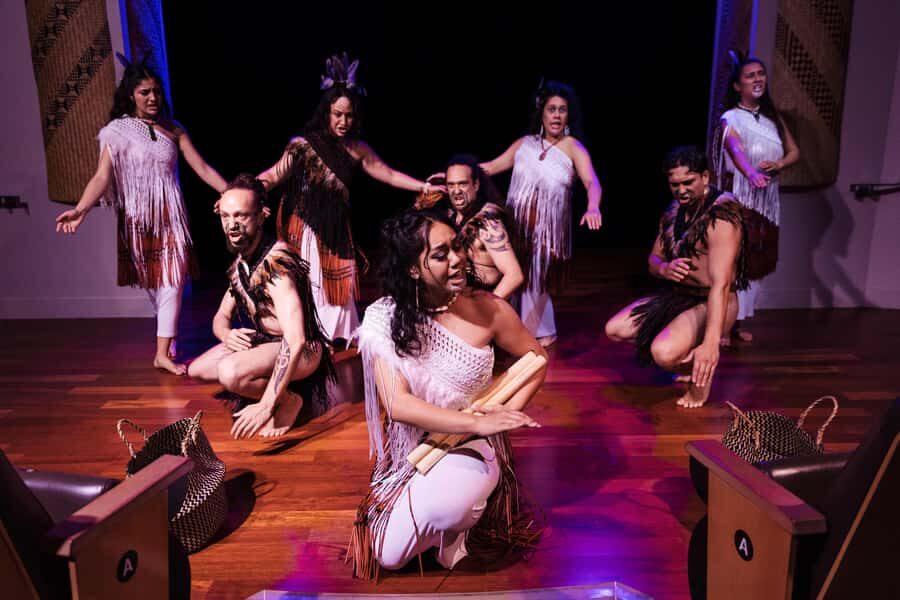
The Māori Cultural Experience is built around performance as communication. You’ll hear traditional waiata (songs), watch the skill of poi, and see storytelling and dance used to carry meaning. This is not a random stage show. The emphasis is on continuity: Māori culture as living taonga—something prized, something carried forward.
One of the best parts is that the performance is led by esteemed indigenous artists and orators. That matters because it changes the tone. You’re not left guessing what you just watched; the experience is framed to explain origins, purpose, and identity through the art itself.
Poi deserves a special mention. It’s easy to see the movement and call it impressive, but the real takeaway is how the performers use rhythm and control to make the story tangible. If you like performance that has structure and meaning behind it, this is a strong match.
The haka explanation: strength, unity, identity
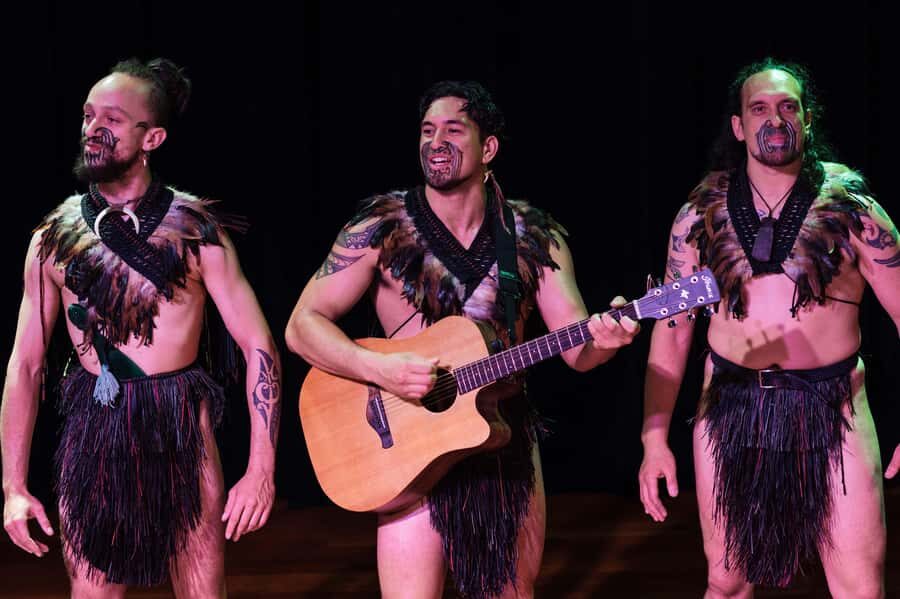
The haka is the main headline for many visitors, but the value here is that it’s explained—its origins and meaning, and how it connects to strength, unity, and identity. That helps you avoid the common mistake of treating it like just a dramatic chant with no context.
You’ll also get a sense of why this ritual matters. The performance framing makes it clear that the haka isn’t only about the moment it’s performed—it’s about who a group is, and how they express connection and resolve. That’s exactly the kind of context that makes museum exhibits hit harder later in the day.
Your all-day museum ticket: what to do after the performance
Once the cultural segment is over, you’re holding general admission to Auckland Museum. That’s the smart part of this ticket: you’re not forced to keep listening to explanations for the entire day, but you can still explore deeply on your own.
The museum covers natural history and New Zealand heritage, plus exhibits that connect to treasured taonga (cultural treasures). In practical terms, this means you can balance your time based on your interests:
- If you like culture and identity, focus on New Zealand heritage and anything you can find that connects to Māori artistry and material culture.
- If you prefer science and the wider environment, spend time on natural history exhibits so you get the full sense of Aotearoa’s setting.
One heads-up that changes the day: Māori Court & Pacific Galleries are temporarily closed due to essential maintenance. That doesn’t ruin the museum, but it does mean part of the Māori and Pacific-focused museum experience won’t be available during your visit. I’d treat this as a reason to arrive early and keep your schedule flexible.
Timing and arrival: how to make the performance go smoothly
This is one of those experiences where timing affects comfort. The show has a performance slot, and it’s worth arriving early so you aren’t rushing through security and entrances.
A tip that comes up often is simple: come in ahead of time—around 20 minutes before the performance—so you can settle in without stress. Also, plan your day so you don’t schedule another timed activity immediately after. You’re doing performance first, museum second.
Also watch your packing. You can’t bring food and drinks, and luggage or large bags are not allowed. That means you’ll want a small day bag and room for essentials like a water bottle you’re comfortable carrying out (though you won’t be eating onsite with it). If you’re the type who travels with a lot of “just in case” gear, edit your load.
Finally, if you’re the photo-taking type, keep expectations cautious. Some visitors find that photography may be restricted during the performance. When in doubt, follow what staff and performers request once you’re there.






Getting there from downtown: walk, bus, or park
Location-wise, Auckland Museum is easy enough to plan around. It’s about a 30-minute walk or a 5-minute drive from the city, and public transport makes it straightforward. If you’d rather not think about parking, the public transport option is usually the calmer route.
If you drive, there are two levels of secure car parking on site. There’s also free parking in Auckland Domain for up to 3 hours, which can be handy if you’re pairing the museum with a longer stroll in the area.
One practical mindset: give yourself buffer time. Museums have their own rhythm—entry lines, finding the right entrance, and settling in for the performance. Showing up “just on time” tends to feel rushed in real life.
Price and value: $37 for culture plus museum time
At around $37 per person, this ticket is priced as a bundle: museum admission plus the Māori Cultural Experience. The value works best if you’ll actually use the museum ticket for more than a quick look.
Here’s the fair way to judge it:
- If you want both: a meaningful performance plus a full day at a world-class museum, this is good value.
- If you only care about a short show and you’ll leave right after, it may feel like you’re paying museum money for time you didn’t plan to spend.
The best comparison isn’t the headline price—it’s how much you’ll get out of that all-day admission. I like this ticket because it gives you options. If you’re energized after the performance, you can go deep. If you need breaks, you can pace yourself through galleries.
Who this experience suits best
This is a great fit for first-time visitors to Māori culture in Auckland, especially if you like learning through performance rather than only through reading placards.
It also works well if you want an easy cultural plan without committing to a long guided tour. You get a structured introduction first, and then you’re free to explore natural history and New Zealand heritage on your own.
This is less ideal if:
- You hate museums and want only the performance.
- You’re visiting on a date when the experience isn’t running (more on that in FAQ).
- You’re arriving with lots of luggage, since large bags aren’t allowed.
Day-opening schedule: when you’ll want to go
Plan around museum hours. The museum opens weekdays from 10:00 to 17:00, except for Christmas Day. Weekends, public holidays, and school holidays run 09:00 to 17:00, again with Christmas Day excluded. There’s also a late evening opening every Tuesday until 20:30.
If you want a calmer pace, consider going on a weekday. If you want extra time to roam exhibits without rushing, the Tuesday late opening can be a nice move—just remember you’ll still want to land early enough for the cultural performance.
Important closures and date limits
Two things can affect your expectations.
First, Māori Court & Pacific Galleries are temporarily closed due to essential maintenance. That means some areas you might hope to see won’t be available during your visit.
Second, the cultural experience is not available on Anzac Day (25 April). If your trip lands around that date, you’ll need a backup plan.
Should you book Living Taonga at Auckland Museum?
I think you should book it if you want a structured, respectful Māori cultural introduction in Auckland and you’re happy spending the rest of the day exploring the museum. The performance format—song, poi, storytelling, dance, and a haka explained in context—makes it more than entertainment.
Skip it only if you’re sure you won’t use the museum admission afterward, or if you’re traveling on Anzac Day, or if the Māori Court & Pacific Galleries matter a lot to your plan. Otherwise, this is one of the cleaner “culture + context” days you can put together in Auckland.
FAQ
What is included in the ticket?
The ticket includes Auckland Museum general admission plus the Māori Cultural Experience: Living Taonga.
Where is the meeting point?
The meeting point is Auckland War Memorial Museum, Parnell, Auckland 1010, New Zealand.
How long is the experience?
It’s listed as valid for 1 day, so you can use the museum entry across the day of your visit.
Is the Māori Cultural Experience available every day?
No. It is not available on Anzac Day (25 April).
Are the Māori Court & Pacific Galleries open?
No. They are temporarily closed due to essential maintenance work.
What can’t I bring?
Food and drinks are not allowed, and luggage or large bags are not allowed.
Is the museum wheelchair accessible?
Yes, the experience notes wheelchair accessibility. Wheelchairs are available on site, subject to availability, and cannot be pre-booked.
What are the museum opening hours?
Weekdays are 10:00–17:00 (except Christmas Day). Weekends, public holidays, and school holidays are 09:00–17:00 (except Christmas Day). The museum is open late every Tuesday until 20:30.
What should I do about timing for the performance?
Bookings are essential and subject to availability, so it’s best to arrive early enough to get settled before the cultural performance begins. A good habit is to plan to be there about 20 minutes early.
Can I get a refund if my plans change?
Yes. Free cancellation is available up to 24 hours in advance for a full refund.