REVIEW · AUCKLAND
Rotoroa Island Ferry – from Auckland
Book on Viator →Operated by Explore Group Limited · Bookable on Viator
A boat ride to kiwi country beats commuting. This day trip from Auckland mixes a scenic Hauraki Gulf cruise with a calm, predator-free island where you can walk, swim, and look for native birds.
I especially love the clear change of pace: you leave the city behind fast, then spend hours on Rotoroa Island with room to spread out. Another big win for me is the island’s wildlife and walking experience, including free-ranging native species and established tracks through different habitats.
One thing to plan for: there’s no food for sale on the island, and the ferry can feel windy and chilly on deck. If you pack well and dress in layers, the day feels wonderfully easy.
In This Review
- Key highlights at a glance
- From Auckland to Rotoroa: the ferry cruise you actually remember
- Timing: how the 7–8 hours works in real life
- Rotoroa Island sanctuary: walking tracks for different moods
- A realistic way to spend your 4–5 hours
- Wildlife spotting without the stress: kiwi, takahē, tīeke
- The museum and heritage buildings: why the island has meaning
- Swimming, snorkeling, and sandy-bay downtime
- Food planning: what to pack when the island has no shops
- Getting comfortable: deck wind, layers, and easy comfort wins
- Price and value: what $68.26 gets you
- Who should book this Rotoroa Island ferry?
- Should you book Rotoroa Island from Auckland?
- FAQ
- How long is the ferry cruise from Auckland to Rotoroa Island?
- How much time do I get to explore Rotoroa Island?
- What time does the ferry leave Auckland?
- What time do you return to Auckland?
- Is admission to Rotoroa Island included?
- Can I buy food on Rotoroa Island?
- How many people is the tour limited to?
Key highlights at a glance
- Predator-free since 2014, so native birds and wildlife can move freely
- 75-minute cruise each way through Tikapa Moana and the Hauraki Gulf
- 4–5 hours to explore Rotoroa on foot via tracks across fields, bush, and shoreline
- Museum + heritage buildings tied to the island’s rehabilitation history
- No island food sales, but there are toilets, drinking water, and electric barbeques
- Small-ish group size (max 100) and a mobile ticket for smoother boarding
From Auckland to Rotoroa: the ferry cruise you actually remember
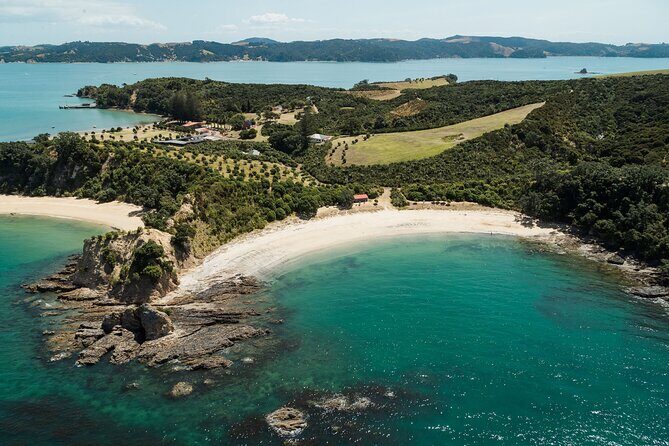
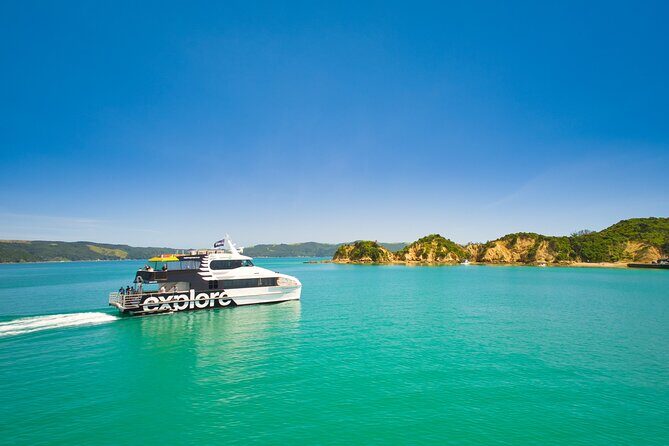
This isn’t just a transfer. The ferry ride is part of the experience, with a 75-minute cruise each way through Tikapa Moana and the Hauraki Gulf. From Auckland, you’re heading out toward island views that feel like a real escape rather than a quick hop.
I like having time built in. During the cruise, you can change your mental gear. Get up on deck for views, then retreat to warmer air-conditioned comfort when the breeze picks up. The small practical detail that makes a difference: there’s a restroom on board, so you’re not scrambling before landing.
You’ll also travel in a max-group setting of up to 100 people. That’s big enough for an organized day out, but small enough that it doesn’t feel like a floating city. Most days, it just feels like a relaxed ferry with a mix of locals and visitors.
You can also read our reviews of more tours and experiences in Auckland.

Timing: how the 7–8 hours works in real life
Overall, expect about 7 to 8 hours door-to-door (including sailing and island time). The schedule is simple:
- Monday to Friday: depart Auckland 9:15am, depart Rotoroa 2:25pm
- Saturday, Sunday & public holidays: depart Auckland 9:30am, depart Rotoroa 2:55pm
- Ferry time: 75 minutes each way
- Island exploration time: about 4 to 5 hours
That island window matters. Four to five hours is enough to do a satisfying walk, pause for photos, and still have time to sit on a sandy patch with a picnic. It’s not enough for a huge trek across the whole island all day long, so the smarter approach is to pick a direction, take breaks, and enjoy the changes of scenery.
Your meeting point is at Explore Group, Booking Kiosk, Quay Street, Auckland Central (Auckland 1010), and the trip ends back there.
Rotoroa Island sanctuary: walking tracks for different moods
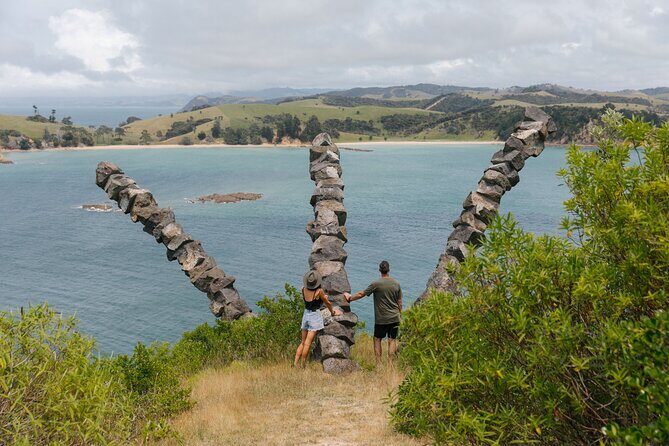
Once you arrive, the island sets the tempo right away. Rotoroa is a predator-free sanctuary (predator-free since 2014), and that shows in the way native birds and wildlife can range more freely than on many other places.
You explore on foot using established walking tracks that move through:
- open fields
- native bush
- sandy shorelines
I like that variety because you can match your energy to the path. Some parts feel like a gentle walk with big open views; other sections are a calmer, greener experience under native growth. And when you reach the sandy shoreline, the day turns into proper island leisure.
This is also where you get the classic “just look around” payoff: there are viewpoints over the sea, with visual reach toward Waiheke and Coromandel. Even if you don’t do every track, those vistas make the day feel complete.
A realistic way to spend your 4–5 hours
If you want the best mix, I’d plan your time like this:
- Take a first loop to get your bearings and hit the shore views.
- Pause for a picnic-style break on the sand.
- Use your remaining time for wildlife watching and any extra short track sections.
That approach keeps it fun instead of checklist-y.
Wildlife spotting without the stress: kiwi, takahē, tīeke
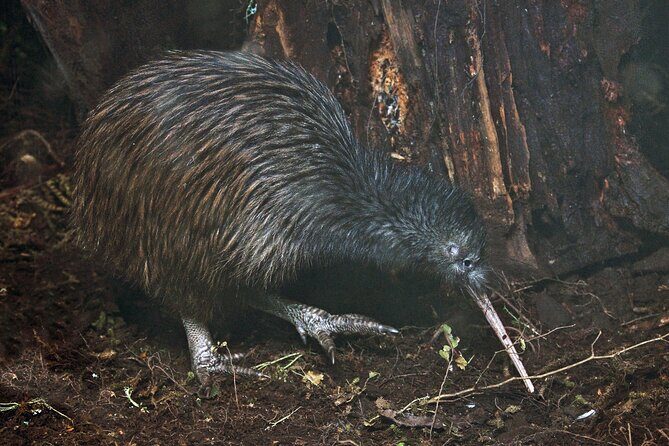
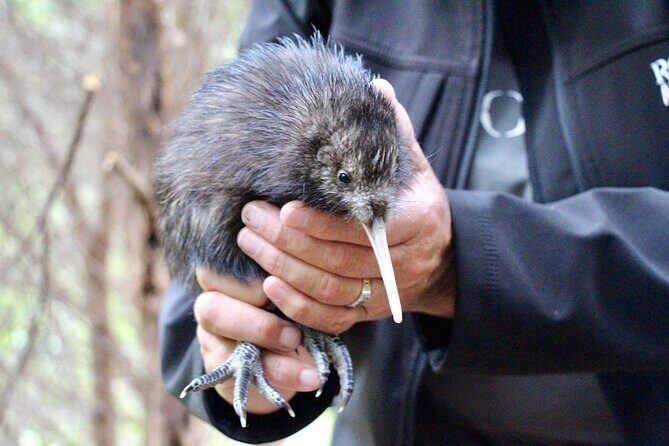
The big headline here is the island’s predator-free status. Since 2014, Rotoroa has been set up as a place where native birds can survive and roam. The experience description calls out chances to spot iconic species including kiwi, takahē, and tīeke.
Now, here’s the honest part: wildlife spotting is always “chance,” not a guarantee. But the difference with a predator-free setup is that you’re more likely to see birds and activity than in places where predators suppress wildlife.
My practical advice:
- Go slower than you think you should. Stand still longer than you want.
- Keep your route calm and predictable so you don’t stir up everything at once.
- Use the tracks so you’re not off-trail. It’s better for the wildlife and for you (no unnecessary detours).
On a day like this, the goal isn’t to rush toward the next photo. It’s to notice the island doing its thing.

The museum and heritage buildings: why the island has meaning

Rotoroa isn’t only about views and birds. The island also has an award-winning museum exhibition plus heritage buildings that explain the island’s unique role as a rehabilitation centre.
That matters because it gives you context while you walk. Instead of just thinking of the island as pretty scenery, you understand why the sanctuary exists and how people shaped it into a safe place for wildlife.
If you like your nature trips to come with a story, this is the part that gives the day depth without becoming heavy. You’ll finish the island visit with more than photos—you’ll have something to connect to when you look back at your route.
Swimming, snorkeling, and sandy-bay downtime
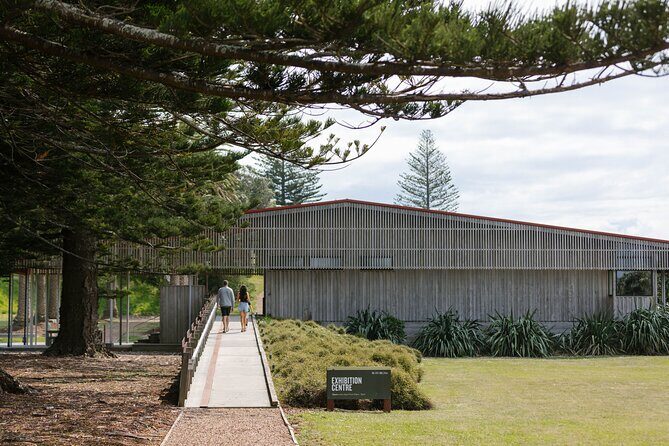
Rotoroa’s sheltered sandy bays are made for relaxed breaks. The experience notes mention swimming and snorkeling, plus quiet spots suited to picnics.
If water time is your priority, build in some flexibility. Conditions can change, and when you’re on a shore you’ll want to take advantage of good moments. The sand-and-bay setup also makes it easy to do a mixed day: walk first, then settle down near the water.
One more practical point: you may not want to carry everything you own around the island. Think simple: a small day bag, a towel you’re comfortable with, and sealed food in a container you can manage.
Food planning: what to pack when the island has no shops
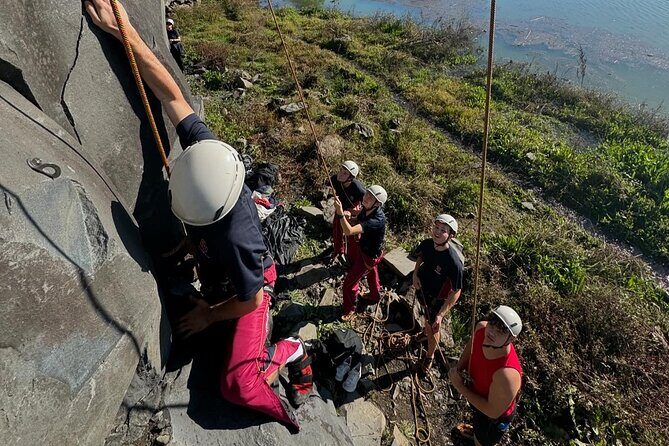
Here’s the part that can make or break your day: there’s no food available to purchase on Rotoroa Island. Food that you bring must be in a sealed bag or container.
Good news: you’re not stranded. The description says food and drinks are available on board the ferry. So you can cover yourself in two ways:
- grab something on the ferry before you arrive
- or pack a picnic for the beach
Also, on the island you’ll find practical basics: toilets, a freshwater drinking fountain, and electric barbeques. There’s also a gift shop if you want a small souvenir or a quick add-on.
My rule of thumb for this kind of trip: bring at least one reliable snack plus water. Even with a drinking fountain, a small bottle you refill keeps you moving comfortably between track segments.
Getting comfortable: deck wind, layers, and easy comfort wins
From the day-trip reviews I’ve seen, one theme comes through: the ferry can feel windy and cold on top deck, even when you’re heading to an island. That’s not a problem, but it’s a reason to dress like a local sailor, not like a summer postcard.
What I’d do:
- wear layers you can remove or add
- bring a light jacket for deck time
- keep sun protection for the island walk
- plan for some breezes once you’re on the water
If you prefer steady warmth, you can stay mostly inside during rougher conditions. You’ll still get your views when the wind calms.
Also, the tour includes an air-conditioned vehicle and restrooms on board. Those details don’t sound exciting on paper, but they make the whole day feel smoother.
Price and value: what $68.26 gets you
At $68.26 per person, this looks like it could be “just a ferry,” but it isn’t. Your included value is clear:
- return ferry from Auckland
- 75-minute cruise each way
- about 4–5 hours on Rotoroa Island
- an admission ticket listed as free for the island stop
- mobile ticket
- restroom on board
- air-conditioned vehicle
So you’re paying for the logistics and the time on the island—not a separate museum-heavy, guided-only model. For me, that’s good value if you want independence once you arrive. You get structure (ferry timing, island entry, tracks) and then freedom to explore at your own pace.
If you’d normally rent transport or spend money getting across the water, the cost starts to feel more like a packaged day out.
Who should book this Rotoroa Island ferry?
This trip fits best if you want:
- a city break without a long trip
- nature time with the chance to see kiwi, takahē, and tīeke
- a walkable island day with fields, bush, and sandy shoreline
- an included cruise that gives you real sea views
It’s also a nice fit for people who like the outdoors but don’t want a full-day hiking mission. You get enough time to enjoy, without being trapped on a trail the whole day.
If you hate groups, you might find up to 100 people noticeable, but the day’s layout (ferry + island + tracks) still gives you chances to spread out. And since the island is set up as a sanctuary, it generally feels quieter than typical day tours.
Most people can participate, but do remember: you’ll be walking on established tracks and spending several hours outdoors.
Should you book Rotoroa Island from Auckland?
I’d book this if you want a simple, scenic day that swaps Auckland traffic for sea air and a predator-free island. The combination is the hook: Hauraki Gulf cruise plus tracks through different habitats plus time to picnic, swim, and check out the museum.
Do it with two preparations:
- pack your food in sealed containers (since the island has no food for purchase)
- bring a layer for the ferry deck if you like viewing from outside
If that sounds like your kind of day, this is a solid way to experience Rotoroa without overthinking it.
FAQ
How long is the ferry cruise from Auckland to Rotoroa Island?
The ferry cruise takes about 75 minutes each way.
How much time do I get to explore Rotoroa Island?
You’ll have approximately 4–5 hours on Rotoroa Island.
What time does the ferry leave Auckland?
Monday to Friday it departs Auckland at 9:15am. Saturday, Sunday, and public holidays it departs at 9:30am.
What time do you return to Auckland?
Monday to Friday the ferry departs Rotoroa Island at 2:25pm. Saturday, Sunday, and public holidays it departs at 2:55pm.
Is admission to Rotoroa Island included?
Yes. The island stop lists admission ticket as free.
Can I buy food on Rotoroa Island?
No. There’s no food available for purchase on the island. If you bring food, it must be in a sealed bag or container. Food and drinks are available to purchase on board the ferry.
How many people is the tour limited to?
This activity has a maximum of 100 travelers.